2026 Top Packaging Services Trends in the Industry
In the fast-evolving world of packaging services, experts predict significant trends that will shape the industry by 2026. Emily Carter, a leading authority in packaging innovations, states, "Sustainability and technology will redefine our approach to packaging services." This captures the essence of the challenges and opportunities ahead.
As consumer preferences shift towards eco-friendly options, companies are under pressure to adapt. Many brands now prioritize sustainable materials over traditional plastic. This change is not merely a trend; it is a necessity for survival in a competitive market. Companies must rethink their sourcing and production strategies to meet these expectations.
Moreover, advancements in technology, such as smart packaging, are on the rise. These technologies improve functionality but also raise questions about data privacy and consumer trust. Many organizations struggle to strike the right balance between innovation and ethics in their packaging services. The path to 2026 will require careful navigation through these complexities, ensuring that progress does not compromise values.

Key Innovations Driving Packaging Services in 2026
The packaging services industry is set to undergo significant transformations in 2026. One major trend is the rise of sustainable materials. A report by Smithers indicates that sustainable packaging solutions could grow by over 20% annually. This shift reflects consumer demands for eco-friendly options. Brands are increasingly focusing on materials that reduce carbon footprints while maintaining product integrity. However, the transition to sustainable materials is not without challenges. The availability of reliable resources and the cost of innovation can hinder widespread adoption.
Another key innovation involves smart packaging technology. The global smart packaging market is projected to reach $46 billion by 2026, according to a recent analysis. This technology enhances product tracking and consumer engagement. Features like QR codes and sensors provide real-time information. Still, there are concerns about data privacy and security. Companies must navigate the fine line between innovation and consumer trust. As smart packaging becomes more prevalent, the potential for misuse also increases.
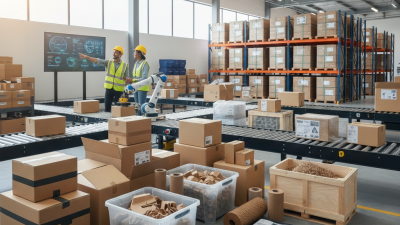
The evolution of automation in packaging services will also shape the industry. Robotics and AI can streamline operations and reduce labor costs. It is reported that automating packaging processes can cut operational expenses by 30%. However, integrating advanced technologies often requires significant upfront investment. Smaller businesses may struggle with these costs. Balancing efficiency with affordability will be crucial in the coming years.
2026 Top Packaging Services Trends in the Industry - Key Innovations Driving Packaging Services in 2026
| Trend | Description | Impact | Adoption Rate (%) |
|---|---|---|---|
| Sustainable Materials | Increasing use of biodegradable and recyclable materials in packaging. | Reduces environmental impact and enhances brand image. | 65% |
| Smart Packaging Technology | Integration of IoT devices for tracking and monitoring. | Improves supply chain transparency and product safety. | 50% |
| Minimalist Design | Focus on simple, clean designs that emphasize product quality. | Enhances visual appeal and consumer perception. | 70% |
| Personalized Packaging | Customizable packaging options tailored to individual consumers. | Increases customer engagement and brand loyalty. | 40% |
| E-commerce Packaging Solutions | Innovative designs for safer delivery and reduced waste. | Enhances customer experience and reduces returns. | 75% |
Sustainable Packaging Trends Shaping the Industry Landscape
Sustainable packaging is transforming the industry. By 2026, it's projected that 70% of packaging will be made from recycled materials. This shift reflects consumer demand for eco-friendly options. A recent survey showed that over 65% of consumers prioritize sustainability when purchasing products. Brands are responding to this trend, but challenges remain.
Many companies struggle to balance sustainability with functionality. Innovative materials are emerging, such as biodegradable plastics and plant-based materials. However, these alternatives often face scalability issues. The cost of production can be high. Additionally, supply chain logistics may complicate implementation. Without clear guidelines, not all sustainable materials are genuinely eco-friendly. Consumers need education on what truly qualifies as sustainable.
Amid these growing trends, transparency is key. Brands must disclose sourcing and production practices. A 2023 study indicated that 77% of consumers want more information about packaging sustainability. This demand pressures companies to improve their practices. Failing to meet these expectations can lead to consumer backlash. Sustainability is essential, but execution must be thoughtful and transparent.
2026 Top Sustainable Packaging Trends in the Industry
The Role of Technology in Enhancing Packaging Solutions
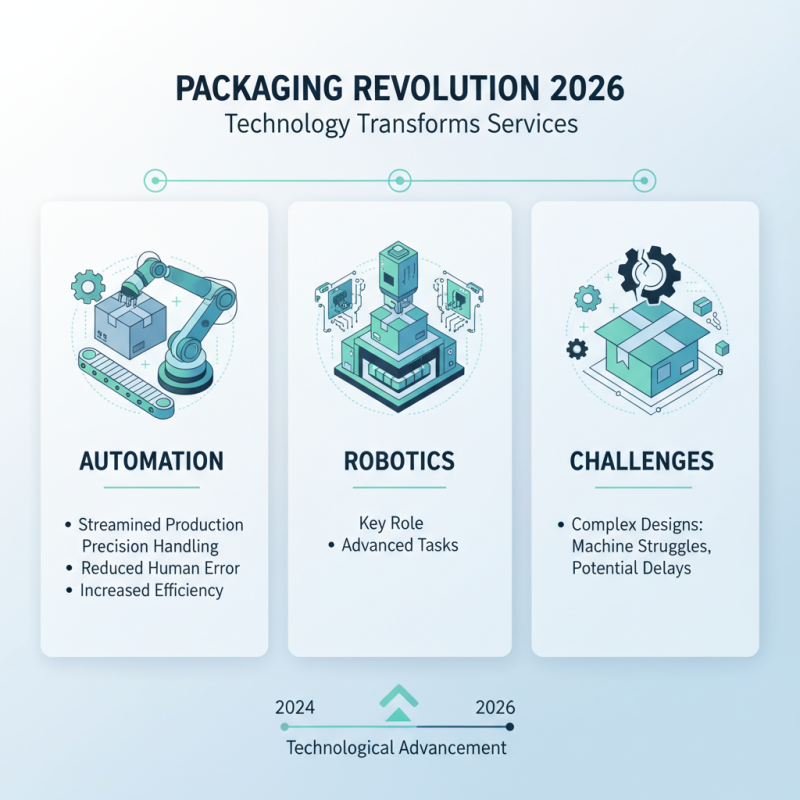
Technology is transforming the packaging services industry in 2026. Automation is playing a key role in streamlining production. Machines can now handle packaging tasks with great precision. This reduces human error and increases efficiency. However, not all technologies are perfect. Some machines struggle with complex designs, leading to delays.
Smart packaging is another exciting trend. It utilizes sensors to monitor product conditions. For example, temperature-sensitive goods can benefit greatly. Tracking this data helps reduce waste. Yet, the reliance on technology raises challenges. Integration issues can arise when adopting new systems. Businesses must adapt swiftly to avoid setbacks.
Sustainability remains a top priority. Eco-friendly materials are being developed at a rapid pace. Technologies that recycle and reduce waste are gaining traction. However, finding the right balance between innovation and environmental impact requires careful thought. Companies may face limitations in sourcing sustainable materials. They need to consistently evaluate their practices to improve over time.
Consumer Behavior Influencing Packaging Design Trends
Consumer behavior is reshaping packaging design trends significantly. As customers grow more conscious of sustainability, brands are shifting towards eco-friendly materials. Many consumers now prefer recyclable or biodegradable options. This shift is not just a trend; it is a necessity in today’s market. Packaging must reflect these values to resonate with the audience.
Tips: Make sure your designs feature clear recycling symbols. Use colors that indicate natural materials, like greens and browns.
Moreover, consumers are drawn to minimalistic designs. Cluttered packaging often confuses rather than attracts. Simple, clear messaging stands out more effectively. However, companies face challenges in balancing aesthetics with functionality. Some designs may look good but fail to protect the product properly.
Tips: Test your packaging prototypes with real users. Gather feedback to identify potential issues with usability.
Emotional appeal also influences choices. Packaging that tells a story resonates better with customers. Unique designs can create a connection, enhancing brand loyalty. Yet, businesses must avoid clichés. Overused themes may alienate your audience, making them less engaged.
Tips: Keep innovating while staying true to your brand. Authenticity is key in maintaining trust.
Future Challenges and Opportunities for Packaging Service Providers
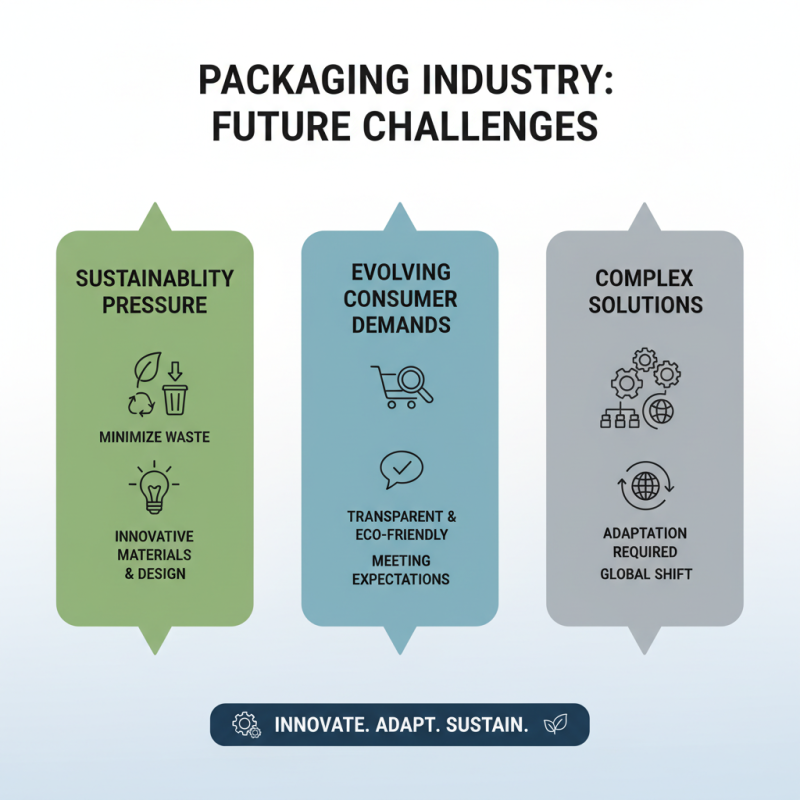
The packaging services industry faces unique challenges ahead. Sustainability remains a pressing issue. Many companies are under pressure to minimize waste. This requires innovative solutions in materials and design. Additionally, consumer preferences are shifting rapidly. They demand more transparent and eco-friendly options. Meeting these expectations is not a simple task.
Technology also influences packaging services. Automation and digital tools can enhance efficiency. However, not every company is equipped to adapt quickly. There may be a skills gap in the workforce. Businesses need to invest in training to harness these technologies effectively. Failing to do so could lead to missed opportunities.
Supply chain disruptions continue to pose hurdles. Fluctuating costs for raw materials complicate pricing strategies. Providers need to rethink their sourcing and logistics. It's crucial to build resilient systems, yet achieving this can be daunting. Those that navigate these challenges effectively may find new openings.
Related Posts
-
Top 10 Stunning Packaging Design Trends You Need to Know in 2023
-
10 Essential Tips for Effective Packaging Products That Boost Sales
-

Top Trends in the Packaging Business for 2024 to Boost Your Profits
-
Top 10 Innovative Packaging Design Trends to Watch in 2023
-
10 Best Packing Solutions for Hassle-Free Shipping and Storage
-

How to Create Effective Business Packaging that Attracts Customers