

What Is the Best Custom Packaging for Your Business?
Choosing the best custom packaging is not simply a design exercise. It is a practical business decision. Your packaging protects products, communicates quality, and shapes the customer’s first impression. A sturdy mailer can prevent crushed corners during delivery. A soft-touch sleeve can make a small product feel more considered.
The right choice depends on your product, budget, shipping method, and audience. Glass items may need molded inserts and tested cushioning. Clothing may require lightweight recyclable mailers. Food, cosmetics, and sensitive goods need materials suitable for their intended use. Packaging must also fit storage conditions, handling risks, and relevant labeling requirements. Always confirm current local regulations before production.
Custom packaging should support your brand without creating unnecessary waste. Color, typography, texture, and opening style all influence perception. Yet appearance cannot replace reliable performance. A box that looks impressive but tears in transit is not a successful solution. I have seen teams overinvest in visual details while overlooking dimensions, sealing strength, or packing speed.
There is no perfect formula.
This guide explores how to compare packaging materials, structural designs, printing options, and supplier capabilities. It also considers order quantities, cost control, sustainability claims, and customer expectations. Some recommendations may need adjustment after testing. That is normal. A small trial run can reveal loose inserts, difficult assembly, or unexpected shipping damage before a large investment is made.
The best custom packaging balances protection, presentation, efficiency, and responsibility. It should work beautifully in the customer’s hands and reliably in the warehouse.
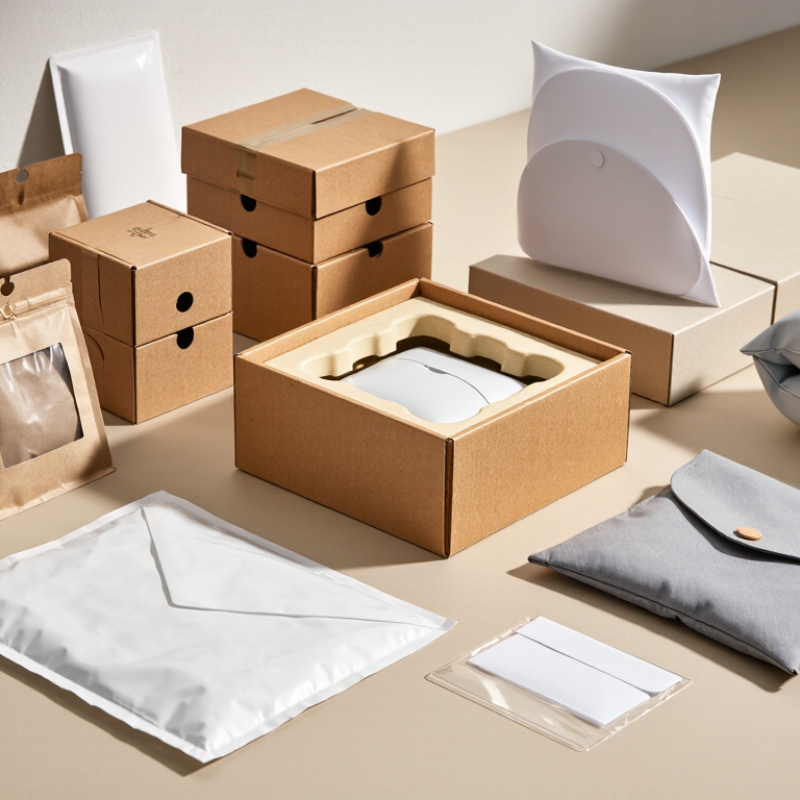
Assess Product and Channel Needs Against Smithers’ $1.2T 2028 Forecast
What Is the Best Custom Packaging for Your Business?
The global packaging market is projected to reach $1.2 trillion by 2028. This forecast signals growth, but it does not identify the right package for every product. Your choice should begin with product sensitivity, shipping distance, storage conditions, and customer expectations.
A fragile skincare bottle may need molded protection, a moisture barrier, and a secure closure. A subscription box may need lightweight construction, easy opening, and efficient stacking. Retail packaging often requires strong shelf visibility, while direct-to-consumer shipments must survive drops, vibration, and changing weather. These needs are different.
Test the package with real products and realistic distribution routes. Measure damage rates, opening time, material use, and customer feedback. Small trials often reveal weaknesses that attractive prototypes hide. They also expose unnecessary features.
I have seen teams overdesign packaging because the forecast suggested rapid market expansion. That approach increased costs without improving protection. Forecasts guide planning, not judgment. A better decision compares performance, production volume, channel requirements, and end-user convenience.
Keep the evidence visible. Record test conditions, supplier specifications, and revision decisions. This supports consistent quality and makes future improvements easier. Packaging should protect the product, fit the channel, and support responsible resource use without becoming an expensive display piece.
What Is the Best Custom Packaging for Your Business?
Assess product and channel needs against the global packaging market’s projected scale of approximately US$1.2 trillion by 2028.
| Packaging Format | Best Product Fit | Most Suitable Channels | Protection Profile | Customization Options | Sustainability Considerations | Selection Priority |
|---|---|---|---|---|---|---|
| Corrugated shipping box | Packaged goods, subscription shipments, spare parts, and products needing cushioning. | E-commerce Parcel delivery Wholesale | Good strength-to-weight ratio; can be combined with inserts, dividers, and protective paper. | Custom dimensions, printed exterior, die-cut inserts, tear strips, and easy-open features. | Paper-based and widely recyclable where collection and recycling systems are available; avoid unnecessary coatings and mixed materials. | Prioritize dimensional fit to reduce empty space, material use, and shipping volume. |
| Folding carton | Dry food, personal-care items, household products, and small consumer goods. | Retail shelves Direct-to-consumer Gift sets | Provides structure, graphics, and moderate protection; usually needs an inner pack for fragile products. | Multiple panel sizes, cut-out windows, embossing, variable data, and tamper-evident features. | Typically fiber-based; recyclability can be affected by plastic windows, heavy coatings, foil, or food contamination. | Prioritize shelf impact and clear product information while keeping structural complexity controlled. |
| Flexible pouch or film | Snacks, powders, pet food, liquids, refills, and lightweight products. | Grocery E-commerce Refill programs | Can provide strong moisture, oxygen, aroma, and light barriers when the structure is engineered for the product. | Stand-up formats, spouts, zippers, tear notches, high-resolution graphics, and custom barrier layers. | Lightweight and material-efficient; multilayer structures may be difficult to recycle in standard systems. Design for compatible mono-material structures where performance allows. | Prioritize barrier performance and end-of-life compatibility before adding features. |
| Rigid plastic container | Liquids, personal-care products, household chemicals, and products requiring resealing. | Retail E-commerce Industrial supply | Good impact resistance, stackability, and protection against moisture; closure selection affects leak resistance. | Custom shapes, handles, closures, labels, dispensing systems, and tamper-evident seals. | Can be lightweight and recyclable when made from compatible, commonly collected polymers; use clear material and minimize additives where feasible. | Prioritize leakage prevention, material identification, and efficient transport geometry. |
| Glass container | Beverages, sauces, cosmetics, pharmaceuticals, and products requiring high inertness. | Retail Food service Premium delivery | Excellent barrier and chemical resistance; fragile and significantly heavier than many alternatives. | Custom shapes, embossing, closures, labels, protective sleeves, and secondary cartons. | Recyclable where collection infrastructure exists; reuse can be effective when return logistics and cleaning systems are practical. | Prioritize product integrity and assess breakage, return transport, and shipment weight. |
| Metal can or tin | Carbonated beverages, canned food, aerosols, paints, and products requiring strong barriers. | Grocery Industrial Vending | Strong protection from light, oxygen, moisture, and physical damage; suitable for long shelf life. | Printed graphics, shaped bodies, easy-open ends, resealable lids, and tamper-evident closures. | Steel and aluminum are recyclable materials; recycling outcomes depend on collection, sorting, and reprocessing infrastructure. | Prioritize barrier needs, filling-line compatibility, and efficient palletization. |
| Molded fiber packaging | Protective inserts, food trays, electronics cushioning, and replacement of some foam components. | E-commerce Retail Food service | Good cushioning and shape retention for many dry products; moisture and grease resistance require careful design. | Custom cavities, corner protection, nesting geometry, printed sleeves, and fitted inserts. | Fiber-based and potentially recyclable or compostable depending on coatings, additives, contamination, and local facilities. | Prioritize fit and cushioning while validating humidity and food-contact requirements. |
Related Posts
-

7 Tips for Choosing Custom Packaging Solutions
-

Why Choose a Reliable Packaging Maker for Global Sourcing?
-
2026 Top Custom Packaging Solutions for Global Buyers
-

How to Choose the Right Custom Packaging for Your Product in 2025
-

10 Essential Tips for Effective Packaging Design Strategies?
-

7 Tips for Choosing Custom Packaging Solutions