What is the Best Packing Solutions for Your Business Needs?
Choosing the right packing solutions is vital for any business. The right packing can enhance customer satisfaction while optimizing costs. It is not just about aesthetics; functionality matters too.
Consider the various packaging types available. From eco-friendly materials to sturdy boxes, choices abound. Each type has its pros and cons. For instance, while biodegradable options are appealing, they might not offer the durability needed for heavy items. This is a common dilemma many businesses face.
Reflecting on your specific needs is essential. Are you shipping fragile goods? Or perhaps you prioritize cost efficiency? The best packing solutions will vary based on these factors. Understanding your unique requirements can lead to better choices. Ultimately, finding the ideal packing solution takes time and thoughtful consideration.
Understanding Your Business's Unique Packing Requirements
Understanding your business's unique packing requirements is essential for efficient operations. Every company has different products and shipping needs. For instance, fragile items require special cushioning. Heavy goods must have sturdy packaging to prevent damage. Identifying these specifics can streamline your processes.
Tips for assessing your packing needs: start by reviewing your products. Consider their shape, size, and weight. Next, evaluate your shipping methods. Are you using ground, air, or freight? Tailoring your approach helps enhance efficiency. Don't overlook the importance of presentation. Attractive packing can boost brand image.
Another aspect to reflect on is sustainability. Packaging materials play a crucial role in environmental impact. Explore eco-friendly options that could resonate with your customers. This may not be the most straightforward choice, but it is worth considering. Balancing practicality with responsibility can be challenging but necessary.
Exploring Different Types of Packing Materials and Their Benefits
When choosing packing materials, consider various options that fit your needs. Cardboard boxes are popular for their versatility. They are lightweight and easy to store. Many businesses use them for shipping and storage. However, they can be damaged by moisture. This isn't ideal for sensitive items.
Bubble wrap provides excellent cushioning for fragile products. It's lightweight and can absorb shock well. Yet, it can create waste and isn't eco-friendly. Alternatives like biodegradable packing peanuts are available. They break down easily, but their protective qualities may vary depending on the item being shipped.
Plastic wrap is another option. It secures items together and protects against dirt and moisture. However, it's not always recyclable. The choice of packing materials is essential for ensuring product safety and customer satisfaction. Finding the right balance between protection and environmental impact can be challenging. Consider both functionality and sustainability when making your selections.
Evaluating Cost-Effective Packing Solutions for Small Businesses
When evaluating cost-effective packing solutions for small businesses, understanding the budget is crucial. A recent industry report states that packing materials can account for up to 20% of shipping costs. Small adjustments can lead to significant savings. For instance, bulk buying materials can reduce per-unit costs. However, small businesses often overlook this opportunity.
Another consideration is the choice of materials. Eco-friendly options are gaining popularity. A survey revealed that 73% of consumers prefer sustainable packaging. This trend can boost brand loyalty. Yet, the initial investment for these materials can be higher. Many small business owners may hesitate to make this switch. Balancing cost with customer expectations is key.
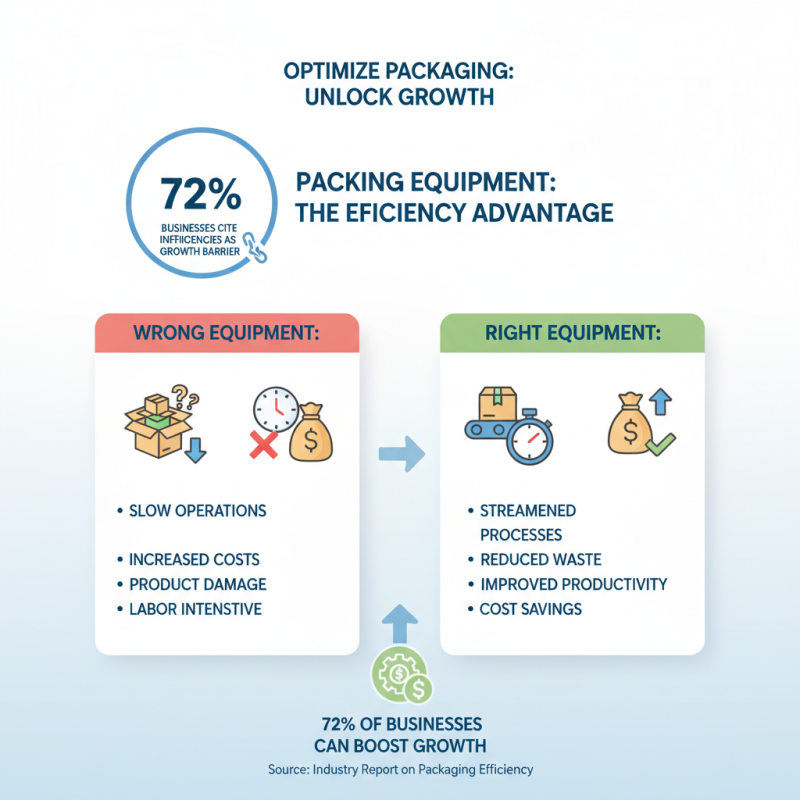
Additionally, improper packing can lead to product damage during transit. Data shows that damaged goods increase return rates by 30%. Using the right size boxes and packing materials can mitigate these risks. Many businesses do not invest enough time in optimizing their packing process. This oversight can result in lost revenue. It is essential to reflect on current practices and seek improvements.
What is the Best Packing Solutions for Your Business Needs?
| Packing Solution |
Material Type |
Cost per Unit |
Durability Rating (1-10) |
Recyclable |
| Bubble Wrap |
Plastic |
$0.10 |
8 |
No |
| Cardboard Boxes |
Cardboard |
$0.50 |
7 |
Yes |
| Packing Peanuts |
Styrofoam |
$0.15 |
6 |
No |
| Kraft Paper |
Paper |
$0.02 |
9 |
Yes |
| Stretch Film |
Plastic |
$0.25 |
7 |
No |
Implementing Sustainable Packing Practices to Enhance Brand Image
Sustainable packing practices are crucial for modern businesses. According to a recent report by the Sustainable Packaging Coalition, 72% of consumers prefer brands that demonstrate eco-friendly practices. This preference can greatly enhance your brand image. Using recyclable or biodegradable materials not only reduces waste but also appeals to conscious consumers. Packaging made from post-consumer materials can set a business apart in a crowded market.
However, the transition to sustainable packing is not without challenges. Many companies struggle with sourcing effective and affordable materials. A survey found that 57% of businesses feel they lack adequate resources to implement these practices fully. It's essential to evaluate existing supplier relationships and explore alternatives. Testing different materials can help in finding cost-effective solutions that also meet sustainability goals. Business leaders must remain flexible and ready to adapt.
Transparency in sourcing can also foster customer trust. When companies share their sustainable practices openly, they create a connection with consumers. However, misleading claims can backfire, making it vital to ensure that all practices are genuine. The path to sustainable packing is complex, but the rewards—improved customer loyalty and a positive brand image—make it worth pursuing.