What is the Best Packing Solutions for Your Shipping Needs?
In today's fast-paced shipping industry, effective packing solutions are essential for success. A report from the Packaging Association indicates that 30% of shipping damage is due to inadequate packaging. This highlights the need for robust and thoughtful packing strategies. According to industry expert Linda Foster, "The right packing solutions can save companies from unnecessary losses."
Choosing the right packing materials can be complex. Many companies overlook the importance of custom solutions tailored to their specific products. Standard boxes often result in damage during transit. An optimized packing approach helps reduce waste and protect goods. Using the right materials can also improve customer satisfaction and elevate brand perception.
The logistics landscape is continually evolving. New packing technologies and materials are emerging. Companies must keep pace to stay competitive. However, many still rely on outdated methods, leading to inefficiencies. Poor packing solutions not only waste resources but can also hurt a company's bottom line. Therefore, exploring innovative options is crucial.

Understanding Different Types of Packing Materials for Shipping
Choosing the right packing materials is crucial for effective shipping. Many businesses overlook this aspect. According to industry reports, around 30% of products are damaged during transit due to poor packaging. This statistic highlights the importance of selecting appropriate materials.
Cardboard boxes are popular for their versatility. They come in various sizes and can withstand considerable weight. However, were you aware that not all cardboard is created equal? Some types are more durable than others. A report from the Packaging Institute states that double-walled cardboard can increase protection by 50% compared to single-walled options. Additionally, consider using biodegradable packing peanuts. They not only protect items but also help reduce environmental impact.
Bubble wrap is another widely used material. It provides cushioning and shock absorption. Yet, it's worth noting that its production has a significant carbon footprint. Many companies are now turning to recycled bubble wrap as a more sustainable alternative. Still, this transition is not universal. A survey revealed that only 40% of businesses prioritize eco-friendly packing materials. This reflects a gap in understanding the long-term benefits of sustainability in shipping practices.
Factors to Consider When Choosing Packing Solutions
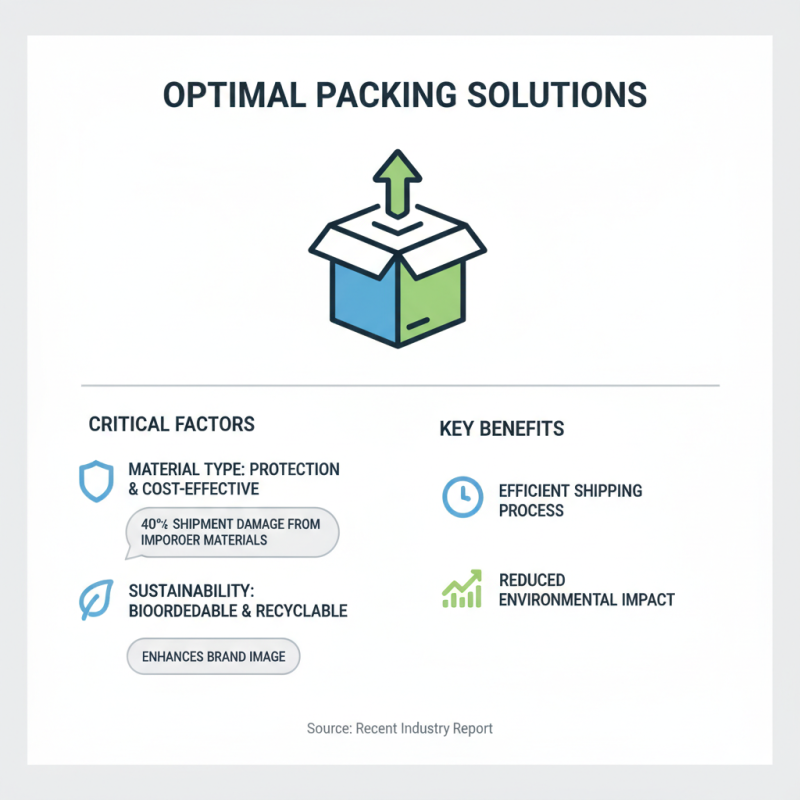
When selecting packing solutions, various factors play a significant role in ensuring an efficient shipping process. One critical consideration is the type of materials used. According to a recent industry report, over 40% of shipments are damaged due to improper packing materials. Businesses must choose materials that provide adequate protection while remaining cost-effective. For instance, using biodegradable and recyclable materials can enhance brand image while minimizing environmental impact.
Size and weight are also pivotal factors. Data shows that oversized packages increase shipping costs by up to 30%. Tailoring the package dimensions to fit the product precisely can lead to significant savings. Additionally, lightweight materials can help reduce shipping expenses. Many companies often overlook the importance of minimizing package weight, leading to higher overall costs.
Moreover, consider the recipient's location and the shipping method. If shipping internationally, the packaging needs to meet specific regulations. Reports indicate that nearly 25% of shipments face delays due to non-compliance with regional packing standards. Reflecting on these elements ensures a smoother shipping process and contributes to customer satisfaction.
Advantages and Disadvantages of Various Packing Methods
When shipping goods, choosing the right packing method is essential. Each method has its advantages and disadvantages. For instance, cardboard boxes are a popular choice. They are lightweight and strong. However, they can be easily damaged by moisture or impact. This might not be ideal for sensitive items.
On the other hand, bubble wrap offers great protection. It cushions fragile goods well. Yet, it can be bulky and adds weight to shipments. This could lead to higher shipping costs. Also, once used, it contributes to waste. A more eco-friendly option may be needed.
Finally, padded envelopes are great for smaller items. They are lightweight and often more affordable. But, they provide less protection compared to hard packaging. This makes them unsuitable for more delicate products. It's important to weigh the pros and cons carefully before deciding. Each shipping method has its place, but not without flaws.
Best Practices for Securing Items to Prevent Damage During Transit
When it comes to securing items for shipping, proper packing is essential. Using high-quality materials can significantly reduce the risk of damage during transit. Bubble wrap, packing peanuts, and foam inserts provide excellent cushioning. Ensure you adequately cover fragile items, especially glass and electronics. A little extra padding can go a long way.
However, it’s easy to overlook the importance of weight distribution. Placing heavier items at the bottom can prevent shifting. In addition, using sturdy boxes that can handle the weight of your contents is vital. If a box collapses, the items inside will likely suffer.
Remember to seal all openings with strong tape. Weak seals can easily fail, exposing your items to damage. Labeling boxes as “fragile” can help alert handlers. Yet, not all workers read these labels. Sometimes damage occurs despite your best efforts. Reflecting on your packing methods is essential. Are there areas for improvement? Continuous evaluation will lead to better practices over time.
Cost-Effective Packing Solutions for Small Businesses
Packing is crucial for small businesses that ship products. It affects cost and customer satisfaction. Choosing the right materials can save money. For instance, using biodegradable packing peanuts is beneficial. They’re lightweight and reduce shipping costs. Plus, they appeal to eco-conscious customers.
Bubble wrap and paper are common choices too. Bubble wrap is great for fragile items. However, it can be bulky and lead to higher shipping fees. Paper, on the other hand, is often more compact. It's worth trying different options to find the best fit. Each package should be tailored to what you send.
Consider the balance between cost and protection. Over-packing can waste materials and money. On the other hand, under-packing risks damage. Experimentation is key. After testing various solutions, reflect on what works best. Customer feedback can provide valuable insight.
What is the Best Packing Solutions for Your Shipping Needs? - Cost-Effective Packing Solutions for Small Businesses
| Packing Solution |
Material Type |
Cost per Unit ($) |
Environmentally Friendly |
Best Uses |
| Bubble Mailers |
Plastic |
0.50 |
No |
Small electronics, books |
| Corrugated Boxes |
Cardboard |
1.00 |
Yes |
General shipping, gift items |
| Poly Mailers |
Plastic |
0.30 |
No |
Clothing, fabric items |
| Kraft Paper |
Paper |
0.10 |
Yes |
Wrapping, cushioning |
| Packing Peanuts |
Starch/Plastic |
0.15 |
Depends |
Fragile items, void fill |