What is Brown Paper and Its Uses in Global Sourcing?
Brown Paper serves as a versatile material in global sourcing. This unique product is more than just a simple wrapping. Its applications span various industries, demonstrating its significance in logistics and packaging.
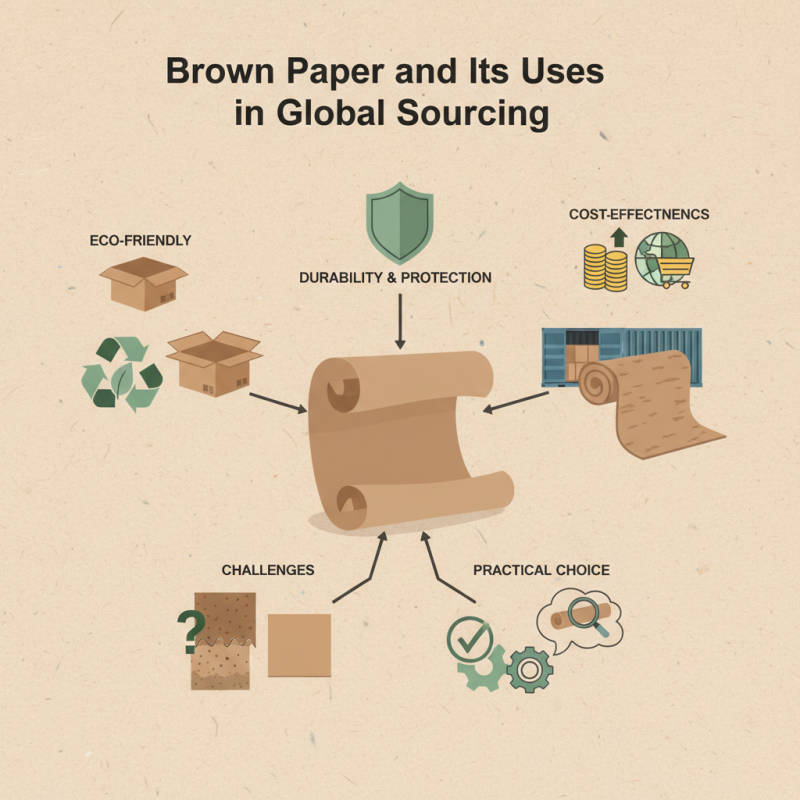
Often crafted from recycled fibers, Brown Paper showcases an eco-friendly approach. Its durability makes it ideal for shipping and protecting goods. Businesses often choose this material for cost-effectiveness and sustainability. Using Brown Paper can reduce waste and appeal to environmentally conscious consumers.
Despite its advantages, challenges exist in sourcing quality Brown Paper. Variations in thickness and texture can impact usability. Companies must consider these factors to ensure optimal performance. Overall, Brown Paper represents a practical choice in sourcing, but careful evaluation is essential.
Understanding Brown Paper: Definition and Characteristics
Brown paper, often recognized for its sturdiness and versatility, plays an important role in various industries. Defined as a thick, unbleached paper, it can handle weight and provide protection. Its texture is rough, ideal for woodworking projects or retail packaging. Many artisans favor brown paper for crafts, embracing its natural aesthetic. This promotes sustainability, as it often comes from recycled materials.
When considering brown paper for sourcing, assess the quality and weight required for your projects. Not all brown paper is created equal. Different grades cater to specific uses. For example, some might be better for shipping outer layers, while others suit arts and crafts.
**Tips:** Always test samples before large orders. This ensures the material meets your standards. Keep in mind that while brown paper is strong, it may not withstand all weather conditions. Evaluating your environmental impact is key; opt for suppliers who prioritize sustainability in their production.
Uses of Brown Paper in Global Sourcing
Historical Background of Brown Paper in Global Sourcing
Brown paper has an intriguing historical background that highlights its significance in global sourcing. Used for centuries, it gained prominence in the 19th century when rapid industrialization transformed packaging needs. By the 1900s, brown paper had established itself as a reliable material for shipping and protecting goods. Its durability made it a preferred choice for various industries, from agriculture to textiles.
According to a report from Smithers Pira, over 40% of the packaging market has shifted towards sustainable materials. Brown paper, being biodegradable and recyclable, fits within this trend. Companies are now more focused on eco-friendly sourcing practices. The market for brown paper is projected to grow at a compound annual growth rate (CAGR) of 3.2% from 2021 to 2026. This reflects a significant shift as more organizations adopt sustainable practices.
Despite its advantages, there are challenges to consider. Some manufacturers face limitations in sourcing high-quality pulp needed for production. Inconsistent quality can affect the final product. Additionally, while demand is rising, fluctuating raw material costs can complicate the sourcing process. Adapting to these challenges is crucial for maintaining product integrity in a competitive market.
What is Brown Paper and Its Uses in Global Sourcing? - Historical Background of Brown Paper in Global Sourcing
| Aspect | Details |
| Material Composition | Brown paper is primarily made from recycled cellulose fibers sourced from post-consumer waste and wood pulp. |
| Historical Use | Historically used for packaging and wrapping in the shipping industry, with roots in the 19th century. |
| Environmental Impact | Widely considered more sustainable than plastic alternatives due to its recyclability and biodegradability. |
| Current Applications | Used in packaging, art projects, shopping bags, and protective wrapping. |
| Global Sourcing Trends | Increasingly sourced from regions that prioritize sustainable forestry practices and recycled materials. |
| Market Demand | Rising demand in environmentally conscious markets, particularly in Europe and North America. |
Common Applications of Brown Paper in Various Industries
Brown paper is a versatile material used across various industries. Its durability and recyclability make it a favorite in packaging and crafting. The food industry often relies on brown paper for wrapping and holding products. It provides an eco-friendly solution, ensuring that food items remain fresh without harmful chemicals.
In the construction sector, brown paper is used for temporary protections. Builders cover surfaces to prevent damage during construction. Its affordability makes it a practical choice for many projects. In addition, the art sector utilizes brown paper. Artists use it for sketching, wrapping, and creating unique artworks. The texture offers a unique backdrop for various mediums.
Despite its many uses, there are limitations to consider. Brown paper can absorb moisture, which might lead to degradation. Not all types are suitable for every application. Some businesses may find that alternative materials serve their needs better. It’s essential to evaluate options carefully before making decisions.
Advantages of Using Brown Paper for Sourcing and Packaging
Brown paper is a versatile material widely used in global sourcing and packaging. Its natural, kraft paper composition offers several benefits. It boasts high strength and durability, making it ideal for shipping goods. Reports indicate that the global brown paper market is projected to reach $270 billion by 2028, reflecting its growing popularity. This surge is attributed to the increasing demand for sustainable packaging solutions across various industries.
Using brown paper can significantly reduce environmental impact. It is recyclable and biodegradable, promoting eco-friendly practices in packaging. Recent studies show that replacing plastic with brown paper can reduce carbon footprints by up to 30%. However, companies must evaluate the trade-offs. While brown paper supports sustainability, excessive usage can lead to deforestation if not sourced responsibly. Businesses should engage in sustainable practices, such as sourcing from certified forests.
Moreover, brown paper provides excellent versatility. Its numerous finishes—from uncoated to bleached—allow customization. Companies can opt for thickness and textures that suit their products. Yet, limitations exist. Brown paper may not offer the same moisture resistance as plastic. For sensitive products, additional barriers may be required. Sourcing decisions should weigh the benefits against potential drawbacks carefully.
Environmental Impact and Sustainability of Brown Paper Usage
Brown paper is a versatile material widely used in various industries. Its environmental impact raises important questions about sustainability. Made from recycled wood fibers, brown paper can be a more eco-friendly option compared to plastic. It is biodegradable, which makes it a favorable choice for reducing landfill waste. However, not all production methods are equally sustainable.
Manufacturing processes can vary in their environmental footprints. Some methods consume a lot of water and energy, contributing to pollution. It's essential to look for products that utilize responsible sourcing practices. Making informed choices can greatly affect the environmental impact of brown paper usage.
Tips for choosing sustainable brown paper include checking for certifications like FSC (Forest Stewardship Council). Opting for 100% recycled paper is another smart way to reduce harm. Always consider the packaging's overall lifecycle, from production to disposal. Reducing waste at each stage matters greatly. Though brown paper is a viable alternative, awareness and careful selection remain vital for true sustainability.