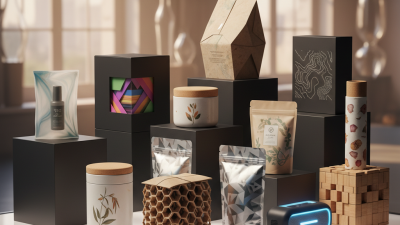
How to Choose Quality Packaging to Enhance Your Product Presentation
In today’s competitive marketplace, the significance of quality packaging cannot be overstated. As studies indicate, approximately 70% of consumers form their purchasing decisions based solely on product packaging. This insight highlights the critical role that packaging plays not just in protecting products but also in enhancing their visibility and appeal. Quality packaging conveys brand values, creates a memorable experience for the consumer, and can significantly influence customer retention.
Expert in the field, Dr. Emily Roberts, a leading packaging strategist, emphasizes, "Quality packaging is not merely an afterthought; it is an integral part of the product experience that can drive customer loyalty and enhance brand perception." Her insights resonate with a growing body of research which suggests that well-thought-out packaging strategies lead to increased sales and improved customer satisfaction. As we explore how to choose quality packaging to enhance product presentation, it becomes evident that investing in superior packaging solutions is tantamount to investing in the overall success of a brand.
Factors to Consider When Selecting Packaging Materials for Products
When selecting packaging materials for products, several key factors should be considered to ensure both functionality and aesthetic appeal. First and foremost, the nature of the product itself plays a crucial role. Fragile items require materials that offer protection, such as bubble wrap or sturdier boxes, whereas non-perishable goods may be more suitable for lightweight packaging options. Understanding the product's needs will help in choosing materials that can endure transportation and handling while maintaining product integrity.
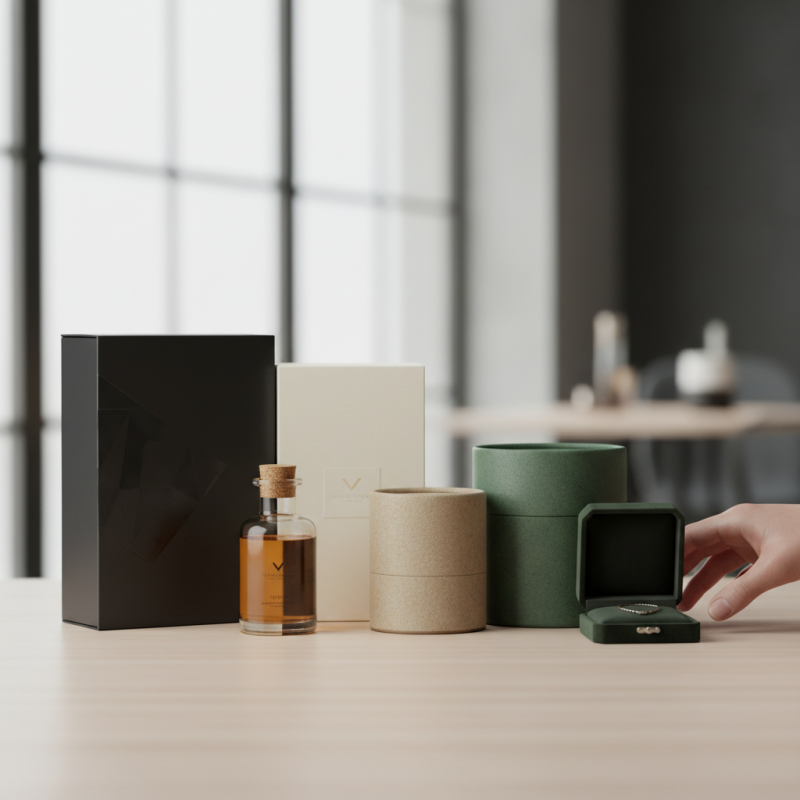
In addition to product protection, the visual impact of packaging cannot be overlooked. Packaging should communicate the brand's values and attract the target audience. Factors like color, shape, and texture contribute significantly to the overall presentation. It's important to select materials that not only align with the brand image but also enhance the customer experience. For instance, eco-friendly packaging is increasingly favored by consumers who value sustainability, whereas luxury products may benefit from elegant, high-end materials that convey exclusivity. Evaluating the balance between cost-effectiveness and visual appeal will help in making an informed decision that elevates the overall product presentation.
The Impact of Packaging Design on Consumer Buying Decisions
The design of packaging plays a crucial role in shaping consumer perceptions and influencing their purchasing decisions.
Attractive packaging can grab attention in a crowded market, offering a first impression that can make or break a sale.
Elements such as color, typography, and material not only convey the product's value but also evoke emotions and aspirations in potential buyers.
For instance, vibrant colors can evoke excitement and energy, while minimalist designs often communicate sophistication and elegance.
When consumers are presented with multiple options, aesthetically pleasing packaging can be the decisive factor that leads them to choose one product over another.
Moreover, packaging serves as a storyteller for the brand, reflecting its identity and values.
Consumers today are increasingly attracted to products that align with their personal beliefs and lifestyle choices.
Eco-friendly materials and sustainable practices in packaging design resonate well with environmentally conscious buyers, enhancing their connection to the product.
In this way, the design of packaging not only influences immediate buying decisions but also builds brand loyalty over time.
A well-crafted package can create a lasting impression, encouraging repeat purchases and positive word-of-mouth recommendations, thus illustrating the profound impact that thoughtful packaging design can have on consumer behavior.
Understanding Sustainable Packaging Options and Their Market Growth
Sustainable packaging has emerged as a critical component in enhancing product presentation while simultaneously responding to consumer demand for environmentally friendly options. Recent studies, such as the one from Smithers Pira, indicate that the global sustainable packaging market is projected to reach over $500 billion by 2027, reflecting a compound annual growth rate (CAGR) of approximately 5.7%. This growth is driven largely by increasing consumer awareness about the environmental impact of packaging waste and the rising preference for recyclable or compostable materials.
Furthermore, a report from Allied Market Research highlights that nearly 70% of consumers are willing to pay a premium for products packaged in sustainable materials. This shift in consumer behavior means that companies prioritizing sustainable packaging not only enhance their product presentation but also align themselves with the values of a growing demographic focused on sustainability. By incorporating options such as biodegradable plastics, reusable containers, and minimalistic designs, brands can create a compelling narrative that resonates with eco-conscious consumers, potentially leading to increased sales and brand loyalty.
How to Choose Quality Packaging to Enhance Your Product Presentation - Understanding Sustainable Packaging Options and Their Market Growth
| Packaging Type |
Material |
Sustainability Rating |
Market Growth Rate (2023-2028) |
Key Benefits |
| Recyclable Paper |
Paper |
High |
5% |
Biodegradable, lightweight, cost-effective |
| Biodegradable Plastics |
PLA, PHA |
Medium |
6% |
Lower carbon footprint, compostable |
| Glass Packaging |
Glass |
High |
4% |
Recyclable, reusable, premium appearance |
| Reusable Totes |
Non-woven fabric |
High |
7% |
Durable, customer incentives, branding opportunities |
| Compostable Packaging |
Plant-based materials |
High |
8% |
Eco-friendly, reduces landfill waste |
Analyzing Cost-Effectiveness in Quality Packaging Solutions
When considering packaging solutions for products,
cost-effectiveness plays a crucial role in determining the overall success of a product in the marketplace.
A survey conducted by Smithers Pira indicates that the global market for
packaging is expected to reach $1 trillion by 2024, emphasizing the critical
need for businesses to invest wisely in quality packaging that enhances
presentation without inflating costs. Quality packaging not only serves as a protective barrier for products but also acts
as an influential marketing tool that can significantly impact consumer purchasing decisions.
According to research from Packaging Strategies, nearly 72% of consumers say that
innovative packaging design plays a significant role in their buying decisions.
Moreover, strategic investments in high-quality packaging materials can lead to a substantial return on investment (ROI).
For instance, a report by The Freedonia Group highlights that sustainable packaging solutions, which may have slightly higher upfront costs, can reduce overall costs by lowering shipping fees and waste management expenses in the long run.
Furthermore, effective packaging can enhance brand perception, leading to increased customer loyalty and repeat purchases.
Companies that prioritize quality packaging are likely to benefit from reduced returns and improved customer satisfaction, further bolstering their bottom line.
As such, the decision to opt for quality packaging should be viewed not just as an additional expense
but rather as an integral part of a comprehensive business strategy aimed at maximizing profitability and market presence.
Case Studies: Successful Brands That Utilize Quality Packaging
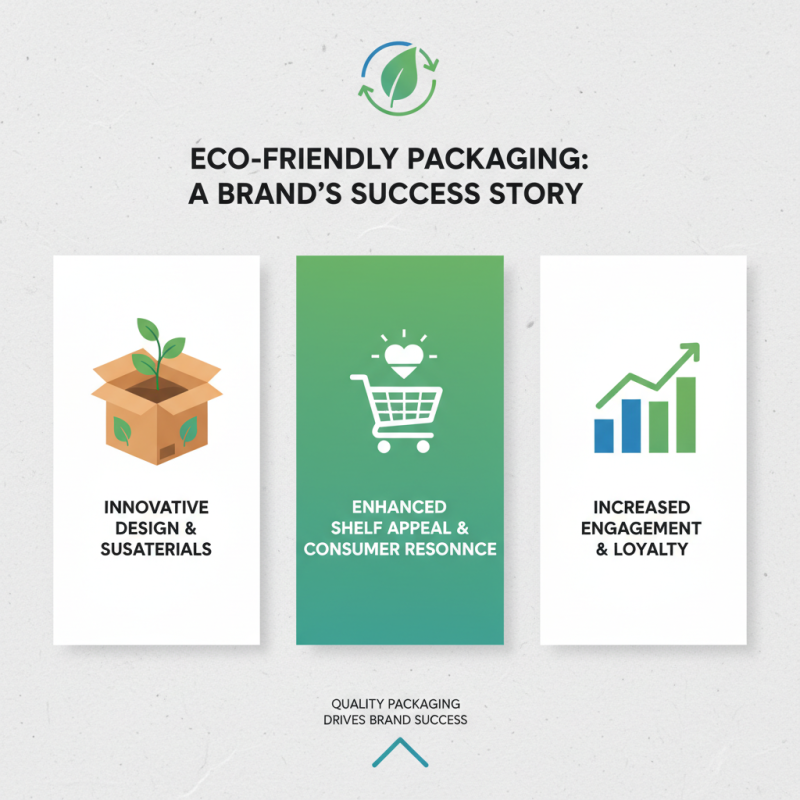
In the competitive world of product marketing, several brands have stood out by leveraging quality packaging as a key component of their success. One noteworthy example includes a company that transformed its product presentation with innovative, eco-friendly packaging designs. By prioritizing sustainable materials and an aesthetic that reflects the brand's values, this company not only enhanced its shelf appeal but also resonated with environmentally-conscious consumers. The result was a significant increase in customer engagement and loyalty.
Tips: When considering packaging design, focus on materials that are both visually appealing and sustainable. This not only attracts the attention of your target audience but also aligns with the growing consumer preference for eco-friendly products. Additionally, ensure that the packaging tells a story about your brand. This narrative can create an emotional connection with customers, further elevating their experience with your product.
Another successful case features a brand that utilized minimalist design principles to stand out in a crowded market. The simplicity of the packaging played a crucial role in making the product easily recognizable while conveying a sense of luxury. The integration of tactile elements, such as premium textures and finishes, enhanced the unboxing experience, making it memorable for consumers.
Tips: Consider incorporating unique design elements, such as textures or unexpected shapes, to create a sensory experience that captivates your audience. Additionally, focus on optimizing functionality to ensure that the packaging protects the product while also being user-friendly, as this can greatly influence the overall customer perception of quality.