How to Choose the Best Business Packaging for Your Products?

In today's competitive market, selecting the right business packaging is crucial for success. According to a report by Smithers Pira, 72% of consumers consider packaging design before making a purchase decision. This statistic highlights the importance of business packaging in influencing customer behavior. Packaging not only protects the product but also serves as a key marketing tool.

Expert Valerie Green, a leading figure in the packaging industry, emphasizes, "Effective packaging can make or break your product's market entry." Her insights reflect the need for businesses to carefully evaluate packaging options. Selecting materials, shapes, and designs can create a lasting impression on consumers.

Many companies overlook the sustainability aspect of business packaging. With growing environmental concerns, consumers are prioritizing eco-friendly solutions. Brands that innovate in packaging materials can gain a competitive edge. However, businesses must reflect on the balance between aesthetics and functionality. Ignoring this can lead to wasted resources and missed opportunities in the market.

How to Choose the Best Business Packaging for Your Products?

Understanding Your Product and Target Audience

Understanding your product and target audience is crucial when selecting business packaging. Research shows that 72% of consumers believe packaging design influences their purchasing decisions. Therefore, knowing your product's unique features will guide your choices. For example, fragile items require strong, protective materials. If your product is eco-friendly, consider sustainable packaging options. This will resonate with environmentally-conscious consumers.

Identifying your target audience is equally important. Different demographics have varying preferences. A report indicated that 67% of millennials are willing to pay more for sustainable packaging. This group values transparency and eco-friendliness. In contrast, older consumers might prioritize functionality over aesthetics. Understanding these nuances can lead to better packaging decisions that align with consumer expectations.

It’s essential to reflect on the effectiveness of your packaging strategies periodically. While appealing designs may attract attention, they might not always convert to sales. Gathering feedback from customers can reveal important insights. Testing different materials and designs can also help you understand what truly resonates with your audience. Balancing practicality with creativity can often lead to mixed outcomes, warranting careful evaluation and adjustments.
Evaluating Packaging Materials: Options and Benefits

When selecting packaging materials, consider functionality and aesthetics. Different materials serve varied purposes, impacting your product's safety and appeal. Cardboard is lightweight and recyclable, while plastic offers durability and moisture resistance. Glass exudes elegance but is fragile. Each choice influences costs, customer perception, and environmental impact.

Tips: Evaluate your target market's preferences. Eco-friendly materials are increasingly sought after. Think about the shipping process too. Fragile items need protective packaging to prevent damage. Conversely, heavy products may require sturdier materials for shipping.

Reflect on the user experience. Packaging should not only protect but also enhance. Customers appreciate easy opening features. However, overuse of materials can lead to waste. Balancing protection with minimalism is key. Quality packaging reinforces your brand's commitment to sustainability and innovation.

Designing Packaging for Brand Identity and Appeal

When designing packaging, brand identity is crucial. Research shows that 72% of consumers judge a product by its packaging. This emphasizes the importance of visual appeal. A unique design can create a memorable first impression. Ensure your packaging reflects your brand values. This connection can cultivate customer loyalty.

Colors play a significant role in branding. A study found that color can increase brand recognition by up to 80%. Choose a palette that resonates with your target audience. Consistency across all packaging is essential. It strengthens brand identity and helps in market positioning.

Materials also impact perception. Sustainable packaging is becoming a priority. Reports indicate that 67% of consumers prefer eco-friendly options. However, balancing cost and quality is challenging. Reflecting on these factors can lead to better choices. Your packaging is not just a barrier; it is part of your marketing strategy.

Sustainability Considerations in Packaging Choices

How to Choose the Best Business Packaging for Your Products?

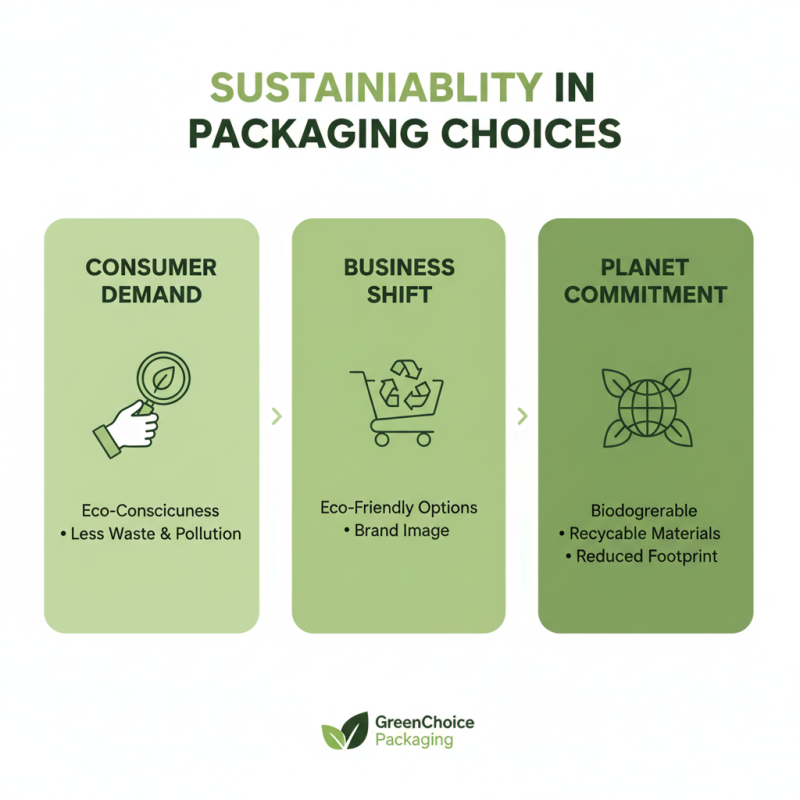
Sustainability is increasingly vital in packaging choices. Consumers are more mindful of environmental impact. They care about materials that reduce waste and pollution. For businesses, this shift means selecting eco-friendly options. Consider biodegradable or recyclable materials for products. These choices reflect commitment to the planet.

Companies should also evaluate their supply chain. Is the packaging sourced sustainably? Are the products shipped in a way that minimizes carbon footprint? It’s important to ask these questions. Reflect on the packaging design. Can it be streamlined to use less material? Extra layers can add to waste.

Testing different packaging solutions is essential. Some might not hold up as expected. Others may cost more than anticipated. Gathering feedback from customers can provide insights. Honest reflections on current practices can guide future decisions, leading to better sustainability efforts. Each choice shapes brand reputation and consumer loyalty.

Cost-Effectiveness vs. Quality in Business Packaging

When considering business packaging, the balance between cost-effectiveness and quality is crucial. Many businesses opt for cheaper materials to save costs. However, this can lead to damaged products, resulting in unhappy customers and potential losses. A well-designed package protects your product and enhances your brand image. Customers often associate quality packaging with quality products.

Investing in high-quality packaging can create a lasting impression. It tells your customers you care about their experience. A beautiful, sturdy package can increase perceived value. However, not all businesses can afford premium materials. It’s important to understand the trade-offs involved. Analyze your target market and product type. In some cases, a mid-range option might provide the best of both worlds. Consider eco-friendly materials as well, which can appeal to today's environmentally conscious consumers.

Ultimately, the choice of packaging should align with your brand values and customer expectations. Reflect on your current strategy. Are you leaning too much towards cost-cutting? Quality packaging can often pay off in the long run through customer loyalty and positive reviews. Each decision impacts your bottom line. Your packaging should protect and promote your product simultaneously. Achieving this balance requires careful thought and planning.