How to Choose the Best Corrugated Packaging for Your Business?
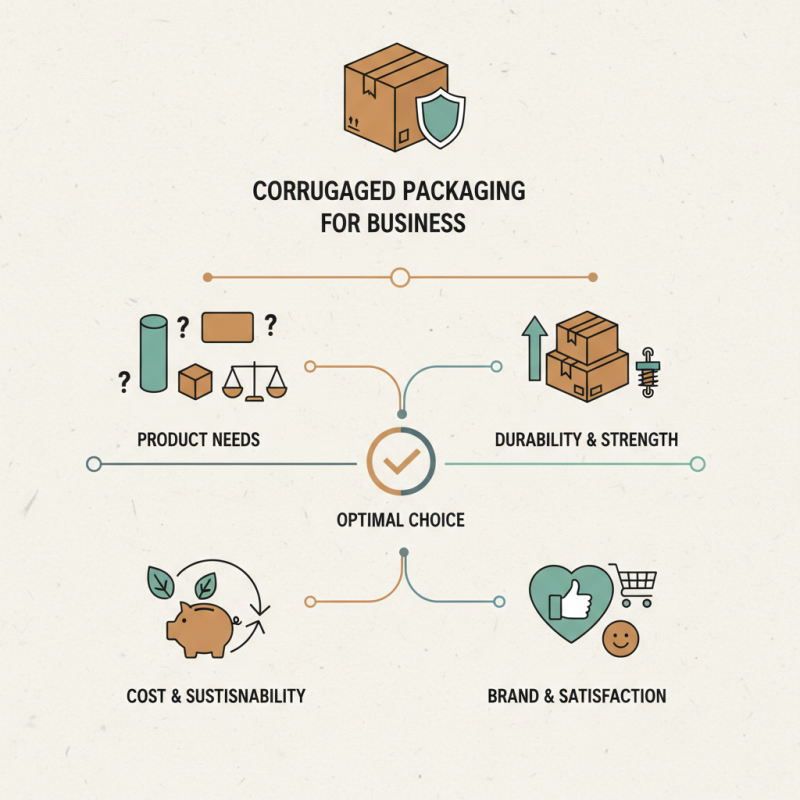
Choosing the right corrugated packaging for your business can impact your bottom line and customer satisfaction. Corrugated packaging is a versatile solution, known for its durability and strength. This type of packaging protects products during transit and storage, making it essential for many industries.
Understanding your product's needs is crucial. Different shapes, sizes, and weights require tailored packaging. However, many businesses overlook these factors, leading to ineffective choices. Trial and error can waste resources, but the right corrugated packaging can enhance brand reputation and customer trust.
Consider cost and sustainability as well. While the cheapest option may be tempting, higher-quality materials can save money in the long run. Corrugated packaging is often recyclable, appealing to environmentally conscious consumers. Reflecting on these aspects can lead to better decisions and improved outcomes for your business.
Understanding the Importance of Corrugated Packaging in Supply Chain
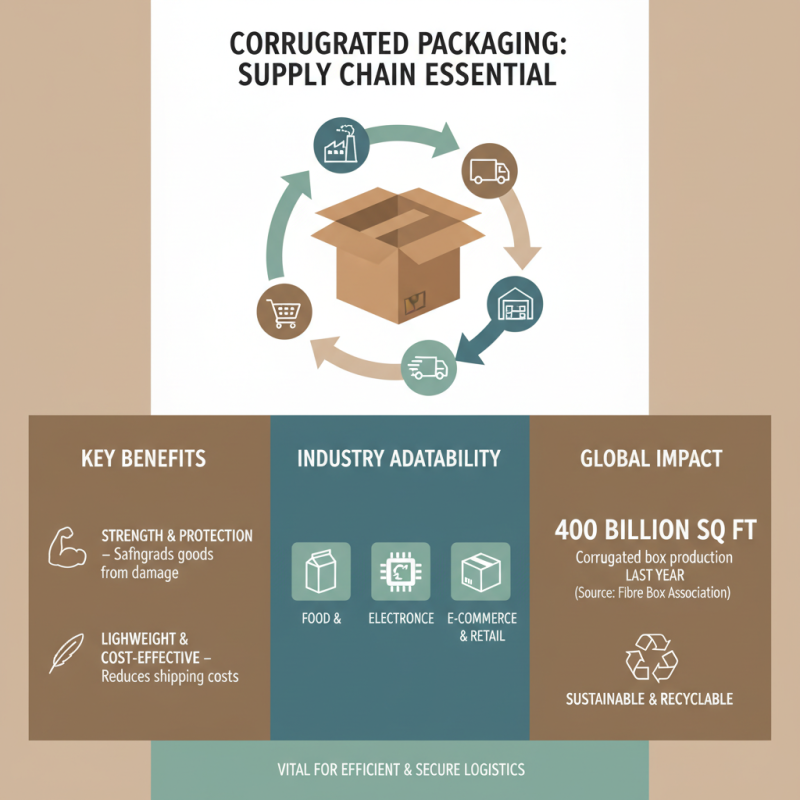
Corrugated packaging plays a vital role in the supply chain. Its strength and light weight make it an ideal choice for various industries. According to the Fibre Box Association, corrugated box production reached 400 billion square feet last year. This figure reflects the growing preference for corrugated materials in shipping and storage.
A key benefit of corrugated packaging is its sustainability. Research shows that over 85% of corrugated materials are recycled. Businesses can enhance their environmental profile by choosing these options. Moreover, they can reduce shipping costs by utilizing lightweight yet durable packaging. This aspect proves essential as logistics expenses continue to rise.
It's worth noting that while corrugated packaging is popular, not all designs suit every product. Selecting the wrong type can lead to damage during transit. Thus, companies need to evaluate their packaging choices closely. A misstep here can result in financial loss and customer dissatisfaction. The decision should be based on careful analysis of product requirements and supply chain dynamics.
Identifying Your Business's Packaging Requirements and Objectives
Choosing the right corrugated packaging starts with understanding your unique business needs. Different industries have varying requirements. Consider the nature of your products. Are they fragile or robust? This will impact the thickness and type of corrugated board needed. Additionally, think about how your products will be transported. Will they endure rough handling? Knowing your distribution methods is key.
It's also essential to define your packaging objectives. Are you focusing on sustainability or cost-effectiveness? Sustainable packaging options can enhance your brand's image, yet they might come at a higher price. Evaluate the trade-offs carefully. You may find that a mid-range solution offers adequate protection while still meeting eco-friendly standards. Don’t rush this process; revisit your decisions as your business evolves.
Customer feedback plays a pivotal role, too. Engage with your clients. What are their preferences regarding packaging? Are they concerned about environmental impact? Their insights can guide you in making better packaging choices. It's a cycle of improvement that never ends. Balancing various factors often leads to better results, requiring ongoing assessment and adaptation.
Evaluating Different Types of Corrugated Materials and Their Properties
Choosing the right corrugated packaging is crucial for any business. Understanding the properties of different corrugated materials can guide you in making informed decisions. The most common types include single-wall, double-wall, and triple-wall corrugated boxes. Each type offers unique benefits and varying levels of strength. According to a report by Smithers Pira, the global market for corrugated packaging is projected to reach $300 billion by 2025.
Single-wall corrugated boxes are lightweight and cost-effective. They often suffice for lightweight items. However, they may not provide adequate protection for fragile products. On the other hand, double-wall and triple-wall boxes offer enhanced strength. They are ideal for shipping heavier goods. According to the Fibre Box Association, approximately 80% of all retail goods are shipped in corrugated containers. This statistic emphasizes the importance of selecting appropriate materials to meet shipping and storage needs.
Additionally, sustainability is a vital factor. Many corrugated materials are recyclable and made from recycled content. This not only reduces waste but also aligns with environmentally-conscious practices. In a world where consumers increasingly value eco-friendliness, using sustainable packaging can enhance brand image. Reflecting on these factors can ensure that your business stands out while meeting operational requirements.
Analyzing Cost-Effectiveness and Sustainability of Packaging Options
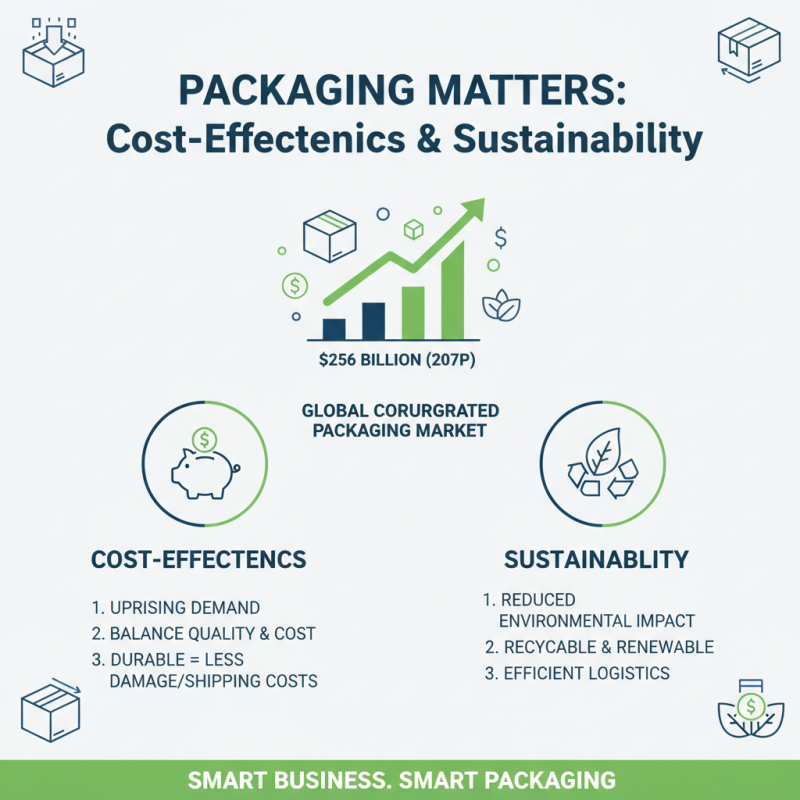
When selecting corrugated packaging, understanding cost-effectiveness and sustainability is vital for any business. In 2022, the global corrugated packaging market was valued at approximately $256 billion, with projections indicating growth to over $350 billion by 2027. This underscores the increasing demand for efficient packaging solutions. Yet, businesses must balance quality with cost. For instance, while opting for high-quality, durable options might seem expensive upfront, they often reduce shipping costs and product damage in the long run.
Sustainability also plays a crucial role in decision-making. A study from the Corrugated Packaging Alliance revealed that about 70% of consumers prefer products with sustainable packaging. Corrugated materials are typically recyclable and made from renewable resources, enhancing their appeal. However, not all corrugated packaging is created equal. Some options may require additional treatments or coatings that complicate recycling. Reflecting on these factors can lead to better choices.
Ultimately, understanding packaging costs and eco-friendliness is complex. There are trade-offs to consider, and each business may face unique challenges. Conducting life-cycle assessments can help in evaluating the overall environmental impact. Ensuring the packaging aligns with the company's sustainability goals requires a thoughtful approach, where each decision counts.
Exploring Customization and Design Trends in Corrugated Packaging Solutions
When it comes to corrugated packaging, customization and design trends are crucial. Recent studies show that around 72% of consumers prefer sustainable packaging. Businesses are responding by exploring eco-friendly materials and designs. This shift not only speaks to environmental concerns but also creates a strong brand identity.
Customization plays a pivotal role in enhancing customer experience. Unique designs grab attention on shelves and online. Research indicates that custom packaging can increase unboxing engagement by 30%. This engagement can lead to repeat purchases. However, the challenge lies in balancing innovation with functionality. Ideally, eye-catching designs shouldn’t compromise structural integrity.
Moreover, emerging trends like digital printing are influencing the industry. Brands can create vibrant graphics, enhancing visual appeal. Yet, companies must reflect on color choices and typography. Poor design can negatively impact brand perception. Being thoughtful about customization ensures packaging resonates with target audiences while maintaining quality.
Trends in Custom Corrugated Packaging Design (2023)