How to Choose the Right Custom Packaging for Your Product in 2025
In an ever-evolving marketplace, selecting the right custom packaging for your product has become more crucial than ever. As we approach 2025, the demand for innovative and sustainable packaging solutions continues to rise, pushing businesses to adapt and rethink their strategies. According to John Smith, a leading expert in the custom packaging industry, "The packaging you choose not only protects your product but also communicates your brand's values and resonates with your target audience." This perspective underscores the significance of thoughtful packaging decisions in a competitive landscape.
When choosing custom packaging, businesses must consider various factors including material, design, and environmental impact. Custom packaging serves as a vital touchpoint between the product and the consumer, and it can greatly influence purchasing decisions. As companies strive to create memorable unboxing experiences, aligning packaging choices with customer expectations and sustainability goals is increasingly important.
Ultimately, the right custom packaging can elevate a product, enhance brand identity, and foster a deep connection with consumers. As we delve into the nuances of selecting custom packaging for 2025, we will explore key considerations and emerging trends that can help brands navigate this complex yet rewarding aspect of their business strategy.
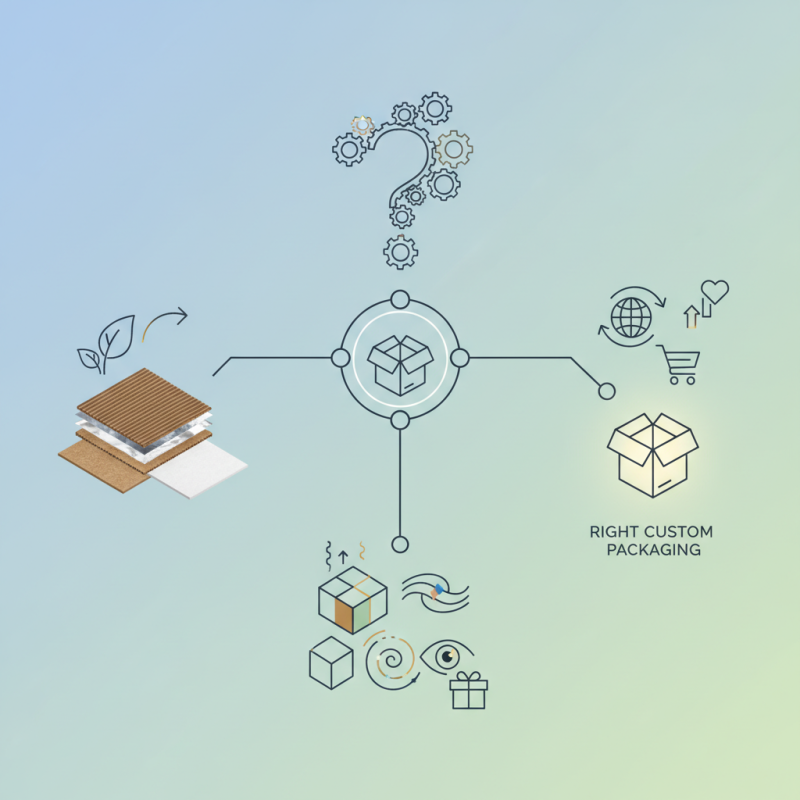
Understanding the Importance of Custom Packaging in 2025 Market Trends
In 2025, custom packaging is poised to play a crucial role in shaping market trends, reflecting not only a product's quality but also the values and preferences of consumers. Research indicates that over 75% of consumers consider packaging design to be as important as the product itself, with 70% saying they share images of well-packaged products on social media (Source: Packaging Strategies Report, 2023). This demonstrates that packaging is not merely functional; it's a key visual touchpoint that can drive brand engagement and loyalty.
For businesses looking to navigate these trends effectively, there are several tips to consider when choosing custom packaging. First, prioritize sustainability: A recent survey revealed that 80% of consumers are willing to pay more for products with sustainable packaging (Source: EcoPackaging Study, 2023). Incorporating eco-friendly materials can enhance brand reputation while attracting environmentally conscious buyers.
Additionally, personalization is becoming increasingly vital. According to a 2023 Consumer Behavior Report, personalized packaging can elevate perceived product value by up to 30%. Incorporating unique designs or customizable elements can create a memorable unboxing experience that resonates with customers. Marketers should experiment with innovative designs that not only capture attention but also convey brand messages effectively, ensuring they stand out in a crowded marketplace.
Key Factors to Consider When Selecting Custom Packaging Materials
When selecting custom packaging materials for your product in 2025, it’s essential to prioritize sustainability. Eco-friendly packaging is not only a growing trend but also a critical factor that resonates with consumers today. Materials such as recycled paper, biodegradable plastics, and compostable options can significantly reduce the carbon footprint of your product. Additionally, consider the lifecycle of the packaging—how it is sourced, used, and ultimately disposed of. Choosing materials that are easily recyclable or made from renewable resources contributes to a positive brand image and appeals to environmentally-conscious customers.
Another key factor to consider is the durability and protection that the packaging will provide. Depending on your product type, you need packaging that can withstand transportation and storage conditions while ensuring that the product remains intact and undamaged. Assess the strength and resistances of different materials, such as moisture or impact. Furthermore, the design aspect is crucial—packaging should not only be functional but also attractively convey your brand identity. An effective combination of visual appeal with robust protection can enhance the customer experience and drive sales, making it vital to choose wisely when selecting your custom packaging materials.
Analyzing Consumer Preferences and Sustainability in Packaging Choices
In 2025, consumer preferences are increasingly leaning towards sustainable packaging options, driven by a growing awareness of environmental issues. Shoppers are now more likely to choose products wrapped in eco-friendly materials that minimize waste and reduce their carbon footprint. This shift demonstrates a clear demand for packaging that not only protects the product but also aligns with sustainable practices. Businesses must consider using biodegradable materials, recycled content, and actively participate in circular economy initiatives to meet these consumer expectations.
Moreover, transparency in sourcing and production processes is becoming essential. Consumers are investigating the lifecycle of packaging materials, including how they are produced and disposed of after use. As such, companies must communicate their sustainability efforts effectively, showcasing certifications or eco-labels that reflect responsible practices. By prioritizing transparency and sustainability, brands can build trust and loyalty among environmentally conscious consumers, ultimately enhancing their market position in a competitive landscape.
Consumer Preferences for Custom Packaging Materials in 2025
Exploring the Role of Technology in Custom Packaging Solutions
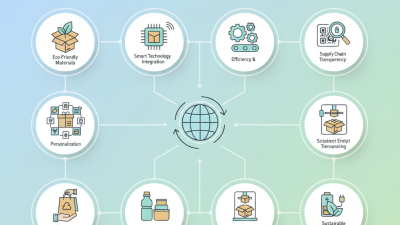
In 2025, the integration of technology into custom packaging solutions is set to revolutionize how products are presented and delivered. The increasing reliance on smart technologies, such as IoT devices and augmented reality, allows businesses to create interactive packaging that enhances customer engagement. For instance, QR codes and AR features can provide consumers with comprehensive product information, tutorials, or promotional content, transforming a simple packaging experience into an engaging interaction. These innovative features not only capture consumer interest but also help brands communicate their values and story more effectively.
Moreover, advancements in sustainable packaging technology are reshaping the industry by prioritizing eco-friendly materials and production methods. Companies are now able to leverage biodegradable and recyclable materials without compromising on design or durability. Smart manufacturing processes, powered by AI and automation, allow for greater customization and efficiency in producing tailored packaging solutions that meet the specific needs of various products. With the growing consumer demand for sustainable practices, embracing these technological advancements not only benefits the environment but also enhances brand loyalty and aligns with market trends. Consequently, businesses must consider these technological innovations when choosing custom packaging to stay competitive and relevant in 2025.
Evaluating Cost-Effectiveness and ROI of Custom Packaging Decisions
In today's competitive market, selecting the right custom packaging is critical for maximizing both cost-effectiveness and the return on investment (ROI). According to a report by Smithers Pira, the global packaging market is expected to reach $500 billion by 2025, highlighting the importance of informed packaging decisions. Custom packaging not only enhances product appeal but can also improve logistics efficiency. By investing in high-quality packaging, companies can reduce material waste and shipping costs. A well-optimized package can lower shipping rates by as much as 10-15%, as noted in a study by the World Packaging Organization.
Evaluating the ROI of custom packaging requires a multi-faceted approach. A survey conducted by Nielsen indicates that 67% of consumers are willing to pay more for sustainable packaging options, underscoring the potential for higher profit margins. Additionally, incorporating cost-effective materials and designs can increase the perceived value of a product while keeping expenses in check. Brands should analyze lifecycle costs, including production, transportation, and disposal, to fully understand the long-term benefits of their packaging choices. By aligning packaging strategies with consumer preferences and operational efficiencies, businesses can not only boost their bottom line but also enhance overall brand loyalty.