How to Choose the Best Delivery Packaging for Your Products?

In today's competitive market, selecting the right delivery packaging has become critical for businesses. It can significantly affect product safety, customer satisfaction, and overall brand perception. According to a recent report by Smithers Pira, the global delivery packaging market is projected to reach $500 billion by 2024. This growth highlights the importance of thoughtful packaging design and material choice.

Experts emphasize the impact of delivery packaging on customer experience. Dr. Lisa Thompson, a packaging industry consultant, states, "The right packaging can elevate a product, while poor choices may lead to damage or dissatisfaction." Ensuring that products arrive safely and intact is non-negotiable. An estimated 30% of consumers have reported receiving damaged items due to inadequate packaging. This statistic demands reflection from businesses on their current strategies.

Moreover, sustainability is increasingly influencing consumer preferences. Over 70% of consumers prefer eco-friendly packaging options. Companies must adapt to this trend while also considering cost and efficiency. Balancing these factors can be challenging. Therefore, businesses need to rethink their approach to delivery packaging. Engaging with these insights may lead to improvements and innovations in packaging strategies that align with consumer expectations.
How to Choose the Best Delivery Packaging for Your Products?

Understanding the Importance of Delivery Packaging for Products

Packaging plays a crucial role in product delivery. It protects items from damage during transit. Quality packaging can prevent breakage, scratches, and spills. Without proper packaging, products can arrive in poor condition. This can harm a brand's reputation. Customers may feel frustrated and choose not to buy again.

Good packaging also enhances the unboxing experience. A well-designed package creates excitement and anticipation. Customers appreciate the effort. They remember brands that impress them. However, some companies overlook packaging importance. In a rush to save costs, they compromise on quality. It's a mistake they may later regret.

Consider sustainability in packaging choices. Eco-friendly materials attract environmentally conscious consumers. But, finding the right balance can be tricky. If packaging is too flimsy, it might not protect the item. Some businesses struggle with this dilemma. They need to reflect on what truly matters. Protecting a product while being mindful of the environment is vital.

How to Choose the Best Delivery Packaging for Your Products? - Understanding the Importance of Delivery Packaging for Products

Packaging Type Material Best For Cost Efficiency Environmental Impact
Box Cardboard Fragile Items Moderate Recyclable
Envelope Padded/Standard Documents, Small Items Low Recyclable (Depends on padding)
Crate Wood Heavy Goods High Sustainable (if sourced responsibly)
Shrink Wrap Plastic Bundles of Products Low Not Recyclable
Thermal Box Insulated Material Temperature-Sensitive Items Moderate to High Variable

Factors to Consider When Choosing Delivery Packaging Materials

How to Choose the Best Delivery Packaging for Your Products?

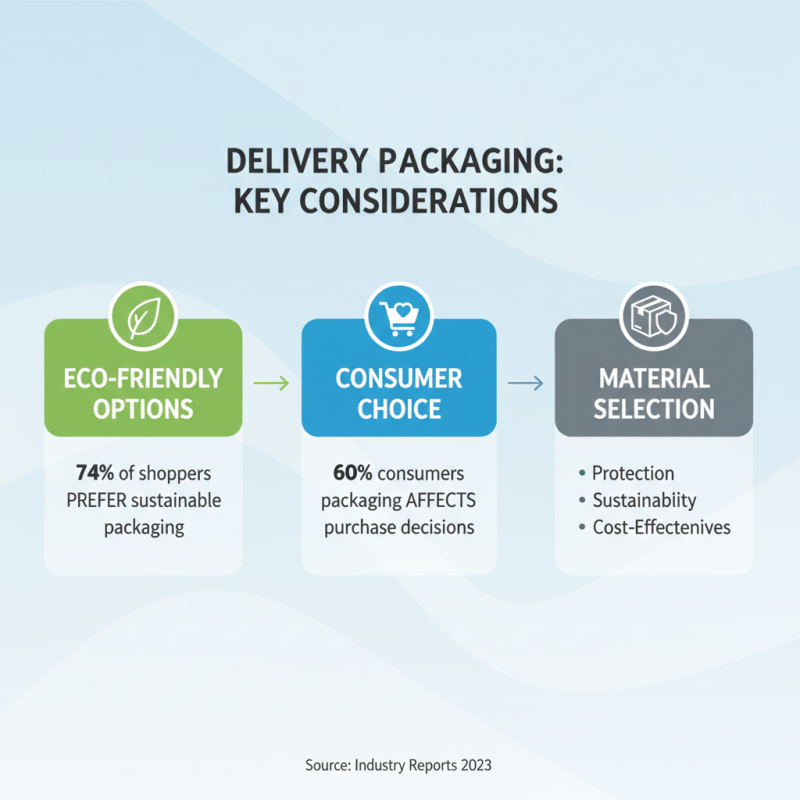
Choosing delivery packaging requires careful consideration of various factors. Material selection is crucial. For example, 60% of consumers state that packaging affects their purchasing decisions. Eco-friendly options are gaining traction. About 74% of shoppers prefer sustainable packaging. This means packaging should not just protect products but also appeal to environmentally conscious customers.

Cost is also a significant factor. Packaging can account for nearly 10% of total product costs. Businesses must balance quality and expense. For instance, cheap materials can lead to damage during transit. This results in returns and dissatisfied customers. Companies often overlook the durability of packaging. Investing in stronger materials can reduce long-term costs associated with returns and replacements.

Product type greatly influences packaging choices. Fragile items may require cushioning and protective packaging. Heavy goods need sturdy materials that can handle weight. Inadequate packaging can lead to breakage. Studies show that around 30% of products are damaged during shipping. This can harm brand reputation. Overall, finding the right balance between cost, quality, and environmental impact remains a challenge for many businesses.

Types of Packaging Solutions: Comparing Options for Different Products

How to Choose the Best Delivery Packaging for Your Products?

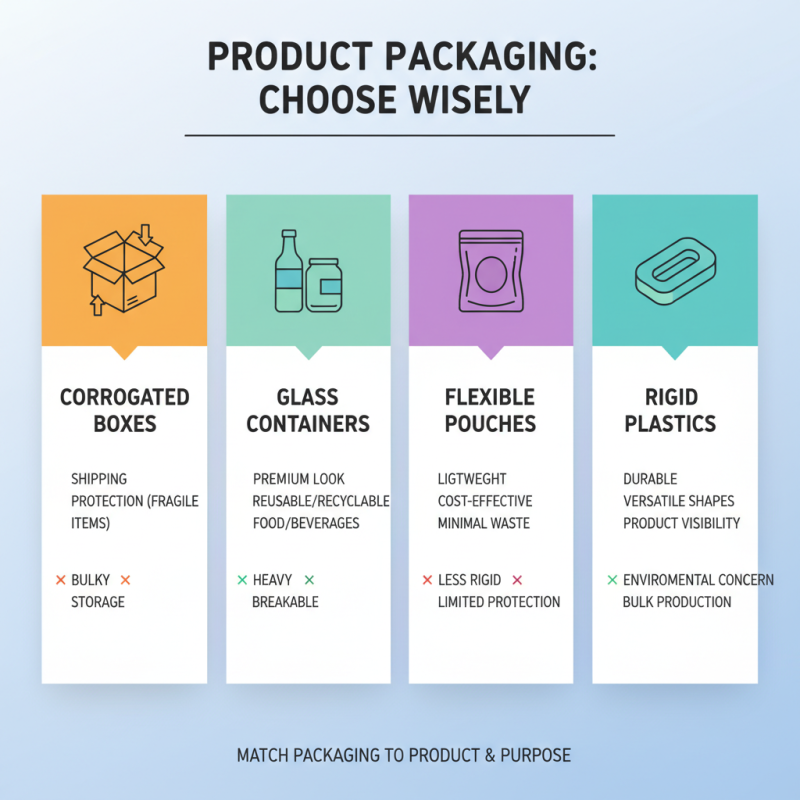
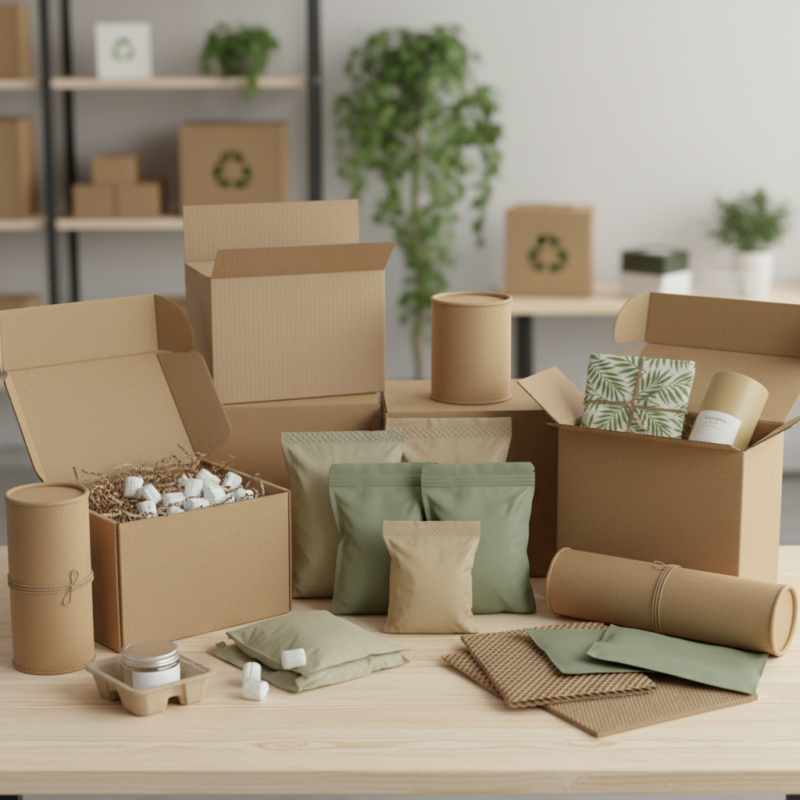
Choosing the right packaging for your products is crucial. Each type of packaging serves a specific purpose. For instance, corrugated boxes are sturdy and great for shipping. They protect fragile items well. However, they can be bulky and take up space.

On the other hand, flexible packaging is lightweight and often cheaper. It's excellent for food items or small goods. But it may not offer the same protection as hard packaging. Sustainable options like biodegradable materials are becoming popular. They appeal to eco-conscious consumers but may have higher costs.

Consider the product you’re shipping. Is it fragile? Does it have unique shapes? The right choice often depends on the balance between protection and cost. Reflecting on your needs and the environmental impact is important. Not every solution works for every product; what might seem perfect could fall short in reality.

How to Evaluate the Environmental Impact of Packaging Choices

Evaluating the environmental impact of packaging choices is crucial in today’s market. Businesses must consider materials that minimize waste. Plastic packaging, for instance, contributes to over 300 million tons of waste globally each year. This staggering number raises questions about sustainability.

Biodegradable options are gaining traction. In a recent study, over 70% of consumers expressed a preference for eco-friendly packaging. However, are these materials truly sustainable? The production processes of eco-friendly options can also have significant environmental footprints. For example, some biodegradable materials require specific conditions to break down, which aren’t always met in landfills.

Different industries have unique challenges. E-commerce packaging often leads to excess waste due to shipping needs. Data indicates that packaging accounts for nearly 30% of the total waste generated in the e-commerce sector. Brands must weigh the pros and cons. Balancing product protection and environmental responsibility remains a complex task. Continuous reflection on packaging choices is essential for a sustainable future.

Environmental Impact of Different Packaging Materials

Best Practices for Protecting Products During Shipping and Handling

Packaging plays a crucial role in protecting products during shipping. Research shows that 30% of products are damaged in transit, leading to significant financial losses. Selecting the right materials can prevent this. For instance, using bubble wrap or foam inserts can cushion fragile items effectively.

Consider the environmental impact of your packaging. Recent studies indicate that 72% of consumers prefer eco-friendly packaging options. On the flip side, many companies continue using materials that contribute to waste. This mismatch could alienate potential customers who value sustainability.

Improperly sized boxes are another common issue. Many shipments arrive in oversized packaging, which wastes space and increases shipping costs. A report showed that reducing box size can save businesses up to 20% in shipping expenses. Carefully measuring your products and choosing appropriate packaging can significantly reduce risks and costs. Each step counts in ensuring your products reach customers intact.