What is a Corrugated Box and How is it Used in Packaging?
In the world of packaging, the corrugated box holds a significant position. According to James Anderson, an expert in the corrugated packaging industry, "A corrugated box combines strength and versatility, making it ideal for various shipping needs." This statement highlights its role in modern logistics.
Corrugated boxes are made from layers of paper, creating a sturdy yet lightweight product. They are often used for transporting fragile items, ensuring safety during transit. The design can be customized to different shapes and sizes, enhancing usability while minimizing waste. However, not all corrugated boxes are created equal. Some adapt better to specific shipping conditions than others, leading companies to rethink their packaging choices.
Despite their advantages, there are challenges in using corrugated boxes. Not every business understands their potential benefits. Education on proper usage and recycling is crucial. Companies must reflect on their current packaging strategies. Embracing the quality of a well-constructed corrugated box can significantly enhance product safety and customer satisfaction.
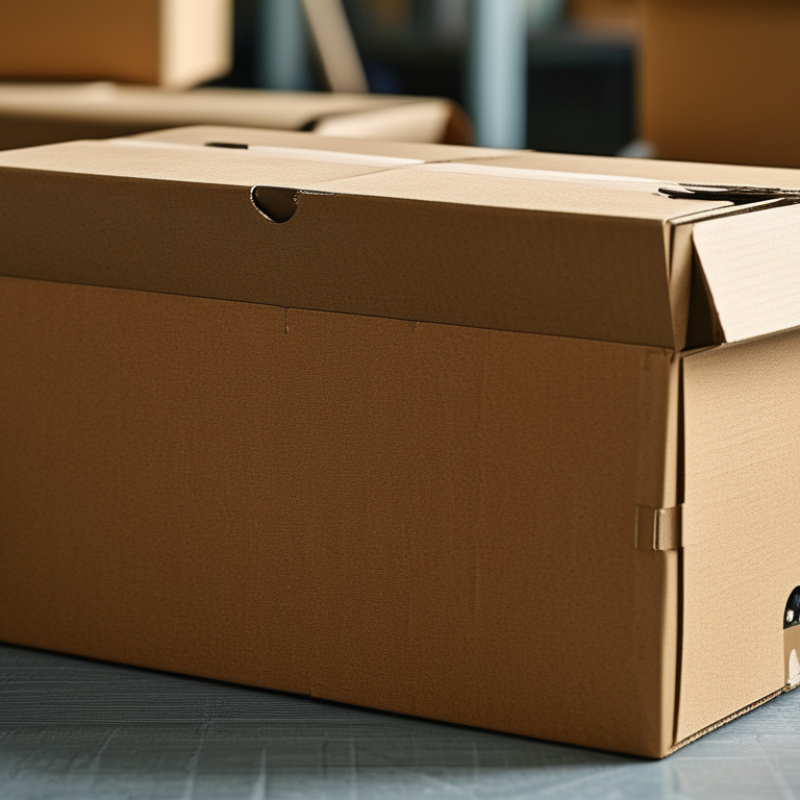
What is a Corrugated Box?
A corrugated box is a versatile packaging solution widely used in various industries. It consists of three layers: an inner liner, a fluted layer, and an outer liner. The fluted layer provides strength and cushioning, making it ideal for shipping fragile items. Many people underestimate its durability and sustainability. Yet, corrugated boxes can withstand significant pressure while being made from recycled materials.
These boxes come in various shapes and sizes to suit different products. They are lightweight, making transportation more efficient. This feature also reduces shipping costs, which is crucial for businesses. Corrugated boxes are easy to customize, allowing companies to add their branding or specific labels. However, there are challenges.
For instance, moisture can weaken a box's structure, impacting its reliability. It's essential to consider the storage conditions when using these boxes.
Moreover, the production process involves cutting and folding, which can lead to inconsistencies in quality. Ensuring that the boxes meet required specifications is vital for safe transportation. Despite these potential drawbacks, the adaptability of corrugated boxes makes them a popular choice for packaging. They are a staple in supply chains, helping to protect products while being a cost-effective option for businesses.
Components of Corrugated Boxes: Fluting and Liners
Corrugated boxes play a crucial role in packaging.
They are composed of three main parts: the liners and the fluting.
The liners are flat sheets that provide strength and stability to the box. They can be made from recycled paper, contributing to sustainability.
The fluting is the wavy middle layer that gives the box its cushioning properties. This design allows corrugated boxes to absorb shocks during transportation.
The choice of liner and fluting thickness affects durability.
Thicker liners provide more strength, while thinner ones offer flexibility. Different flute profiles can increase the box's compressive strength.
For heavy items, consider using a double-wall design. This can prevent damage during shipping.
Tips: Always consider the weight of your products.
Use a thicker flute for heavier items. Testing different designs can help identify the best option for your needs.
Reflect on the balance between cost and strength when selecting materials. A thoughtful approach leads to better packaging decisions, enhancing product safety and customer satisfaction.
Types of Corrugated Boxes and Their Uses
Corrugated boxes are essential in packaging, providing strength and versatility. There are several types of corrugated boxes, each serving specific purposes. Regular slotted containers are the most common type, ideal for shipping and storage. They feature flaps that fold in, creating a secure seal. These boxes can be customized in size to fit various products.
Another type is the die-cut box. This box is designed for a precise fit, often used for retail items. The unique shapes and sizes can enhance product presentation on shelves. Mobile packaging trends often favor die-cut designs for their aesthetic appeal. Additionally, telescoping boxes consist of two parts that fit together. They are excellent for tall items like machinery or gifts.
Each type of box has its strengths, but none are without challenges. Some boxes may fail under weight or pressure, leading to damaged contents. Ensuring the right box type for a specific product is crucial. Misjudgments can result in losses or unhappy customers. Therefore, choosing the right corrugated box requires careful consideration of materials and design.
What is a Corrugated Box and How is it Used in Packaging? - Types of Corrugated Boxes and Their Uses
| Type of Corrugated Box |
Description |
Common Uses |
Advantages |
| Regular Slotted Container (RSC) |
The most common type, composed of a single sheet of corrugated board. |
Shipping various products, from electronics to food items. |
Easy to assemble, cost-effective, and recyclable. |
| Die-Cut Box |
Custom-designed boxes that are cut into specific shapes. |
Retail packaging, gift boxes, and product displays. |
Highly customizable, appealing designs for branding. |
| Multi-Depth Box |
Boxes that can be adjusted to different heights. |
Shipping various sizes of products without excess material. |
Versatile, reduces the need for multiple sizes of boxes. |
| Full Flap Box |
Boxes with flaps on both the top and bottom for extra strength. |
Heavy or fragile items that require added support. |
Increased durability, ideal for heavy shipments. |
| Sleeve Boxes |
Boxes that have a sliding sleeve design, often two layers. |
Luxury items, cosmetics, and electronics. |
Elegant appearance and added protection for products. |
Advantages of Using Corrugated Boxes in Packaging
Corrugated boxes are a staple in the packaging industry. Their design offers strength and durability, making them ideal for shipping goods. According to a recent industry report, the global corrugated box market is expected to reach $300 billion by 2028. This growth highlights the rising demand for effective and sustainable packaging solutions.
One significant advantage of using corrugated boxes is their lightweight nature. This reduces shipping costs, benefitting businesses. The flexibility in design allows custom sizes and shapes, accommodating various products. The boxes provide excellent cushioning, protecting items during transit. A 2022 study showed that 70% of companies reported fewer product damages when using corrugated packaging.
Sustainability is a critical factor to consider. Corrugated boxes are recyclable and made from renewable resources. However, challenges remain. Not all corrugated packaging is disposed of properly, leading to increased waste. Companies must educate consumers on recycling practices. Additionally, while they are versatile, corrugated boxes may not always perform well in extremely humid conditions. It's essential for businesses to assess their specific needs when choosing packaging solutions.
Environmental Impact and Sustainability of Corrugated Packaging
Corrugated packaging is widely used due to its protective qualities. However, its environmental impact cannot be overlooked. Many people may not realize that this packaging is recyclable. It can be repurposed for new boxes, reducing waste.
The production process often consumes resources. Trees are cut down for paper. Though the corrugated box is biodegradable, the sustainability of sourcing materials raises concerns. Responsible forestry practices are essential to lessen the ecological footprint.
Moreover, transportation contributes to greenhouse gas emissions. Corrugated boxes can be bulky, leading to higher fuel consumption. Companies can opt for lightweight designs. This choice can lower the carbon footprint. Awareness of these issues can drive more sustainable practices in the industry.
Environmental Impact of Corrugated Boxes