How to Create Effective Packaging Design for Global Markets?
Effective packaging design is crucial for capturing consumer attention in global markets. A recent study by Smithers Pira indicated that the global packaging market will reach $1 trillion by 2024, showcasing the rising importance of innovative packaging. Good packaging design influences 70% of purchase decisions, demonstrating its substantial role in sales.
Designing packaging for diverse global audiences presents both opportunities and challenges. Each market has unique preferences and cultural nuances. For instance, colors can have different meanings across regions, which can affect consumer perception. Companies must consider these variations when crafting packaging design. Inadequate research can lead to costly mistakes.
Additionally, sustainability is becoming a dominant trend. A report by Nielsen showed that 73% of global consumers are willing to pay more for sustainable packaging. However, achieving sustainability while maintaining aesthetics is often a delicate balance. Many brands struggle with this. As packaging design evolves, firms must stay ahead of trends to remain competitive.
Understanding the Importance of Packaging Design in Global Markets
Packaging design plays a crucial role in global markets. It’s not just about aesthetics; it communicates brand values, and meets consumer expectations. Effective packaging must resonate culturally. Different regions have unique preferences that must be respected. Understanding these nuances can elevate a product's acceptance and success.
Tips: Research local trends. Use colors and symbols that hold meaning in specific cultures. Test your designs with local focus groups. This will shed light on potential misconceptions and areas for improvement. Design is a reflective process. Seek feedback regularly.
Packaging also protects the product. It must ensure safety while still attracting consumers. A well-designed package can make a product stand out on crowded shelves. However, balance between protection and attractiveness can be tricky. Strive for clarity and simplicity.
Tips: Choose materials wisely. Consider sustainability, durability, and cost-effectiveness. Aim for functionality that doesn’t sacrifice elegance. Use clear labeling. Misleading information can lead to distrust. Every detail counts in conveying the right message.
How to Create Effective Packaging Design for Global Markets? - Understanding the Importance of Packaging Design in Global Markets
| Design Aspect |
Importance in Global Markets |
Examples of Successful Implementation |
| Cultural Relevance |
Adapting design elements to resonate with local customs and traditions enhances market acceptance. |
Color symbolism in Asian markets vs. Western markets. |
| Sustainability |
Eco-friendly packaging appeals to increasingly environmentally-conscious consumers across markets. |
Brands using biodegradable materials for international products. |
| Visual Impact |
Strong visual elements attract attention in crowded retail environments, increasing sales. |
Bold graphics that stand out on shelves globally. |
| Regulatory Compliance |
Understanding and adhering to local packaging laws avoids legal issues and enhances brand reputation. |
Labels in multiple languages and formats to meet regional standards. |
| Functionality |
Practical packaging solutions improve user experience and increase product longevity. |
Re-sealable pouches and containers that cater to consumer convenience. |
Identifying Target Audiences and Regional Preferences for Packaging
Identifying target audiences and regional preferences is crucial for effective packaging design. Different cultures respond to colors, shapes, and materials in unique ways. For instance, in some regions, vibrant colors attract attention, while in others, subtle and earthy tones are preferred. Understanding these nuances can greatly influence a product's appeal.
Tips for effective design include researching local customs and traditions. Engage with local consumers through surveys or focus groups. Their insights reveal what resonates best. Testing packaging samples before launching can also help refine your approach. Consider how sustainability plays into preferences as well. Many consumers globally are gravitating towards eco-friendly options.
It’s important to reflect on your design choices. Aesthetic appeal is vital, but it should not overshadow functionality. Ensure the packaging protects the product while remaining visually appealing. Always be prepared to adapt based on feedback and new trends. Cultivating a strong understanding of regional differences can elevate your brand's presence in the global market.
Key Elements of Effective Packaging Design for Diverse Cultures
When designing packaging for global markets, understanding diverse cultures is essential. Different cultures perceive colors, symbols, and text differently. For instance, in some countries, white symbolizes purity, while in others, it may represent mourning. A Nielsen report found that 64% of consumers are influenced by packaging when deciding to buy a product. This shows the importance of appealing design.
Tip: Research cultural meanings behind colors before finalizing designs. Engage local designers to ensure relevancy.
The material used in packaging also varies by region. Eco-friendly packaging is preferred in Europe, while vibrant, playful designs attract consumers in Asia. According to a McKinsey study, companies prioritizing sustainability see a 25% higher customer loyalty. Yet, brands must remember that overemphasizing sustainability can appear insincere if not backed by genuine actions.
Tip: Balance your design’s sustainability with cultural relevance. Gather feedback from target markets.
In a global context, packaging must echo local values and consumer preferences. This requires iterative testing and openness to change, acknowledging that what works in one market may not resonate in another. Mistakes can lead to misunderstandings or even product failure. Continuous learning and adaptation are key to achieving effective packaging.
Sustainable Packaging Solutions for Global Appeal
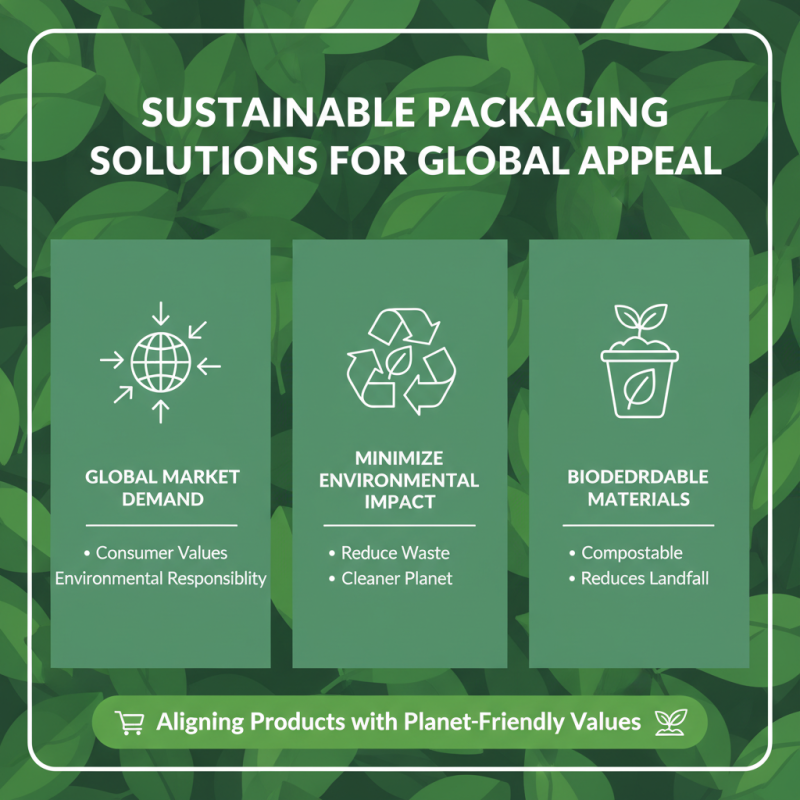
Sustainable packaging solutions are becoming vital for brands targeting global markets. Consumers today seek products that align with their values, particularly environmental responsibility. This shift creates a demand for packaging that minimizes environmental impact. Using biodegradable materials is one effective approach. These materials help reduce landfill waste and promote a cleaner planet.
Designing packaging that reflects sustainability can be challenging. Brands must consider aesthetics while ensuring functionality. Innovative shapes and designs can reduce material usage without sacrificing strength. Moreover, sourcing locally can lower carbon footprints, connecting products more closely to their communities. Packaging should tell a story about sustainability. Transparent messaging is key, but many brands struggle to communicate this effectively.
Embracing sustainable practices requires continuous reflection. Brands may encounter difficulties in sourcing materials or managing costs. However, facing these challenges head-on can lead to unique solutions. By prioritizing sustainability in design, companies do not just enhance brand loyalty but also contribute positively to the global market. These efforts are fundamental for standing out in a crowded marketplace.
Testing and Adapting Packaging Designs for Various Markets
Adapting packaging designs for diverse global markets is crucial. Different regions have unique cultural preferences and values. Colors, symbols, and languages matter greatly. What works in one market may fail in another. A design that attracts in one country could be off-putting in another. This necessitates thorough research and testing.
Focus groups can provide invaluable insights. Engaging local consumers helps gauge reactions. This feedback often reveals unforeseen issues. For example, using specific colors might be symbolic in some cultures but carry negative connotations in others. Iterative testing allows for refinements based on real consumer responses. Adjustments can be as subtle as changing text placement or as significant as redesigning an entire packaging concept.
Continuous feedback loops are essential. Savvy marketers constantly analyze consumer behavior and preferences. They remain open to changing their designs based on evolving trends. Embracing this flexible approach can lead to better market fit. While initial designs may aim high, real-world testing often uncovers gaps. It's vital to remain adaptable, revising according to regional insights. This ongoing process strengthens global brand presence.
Global Market Packaging Preferences
This chart illustrates the preferences for packaging materials across various global markets, highlighting the importance of adapting designs for different consumer needs.