Essential Guide to Book Printing Inspection Process?
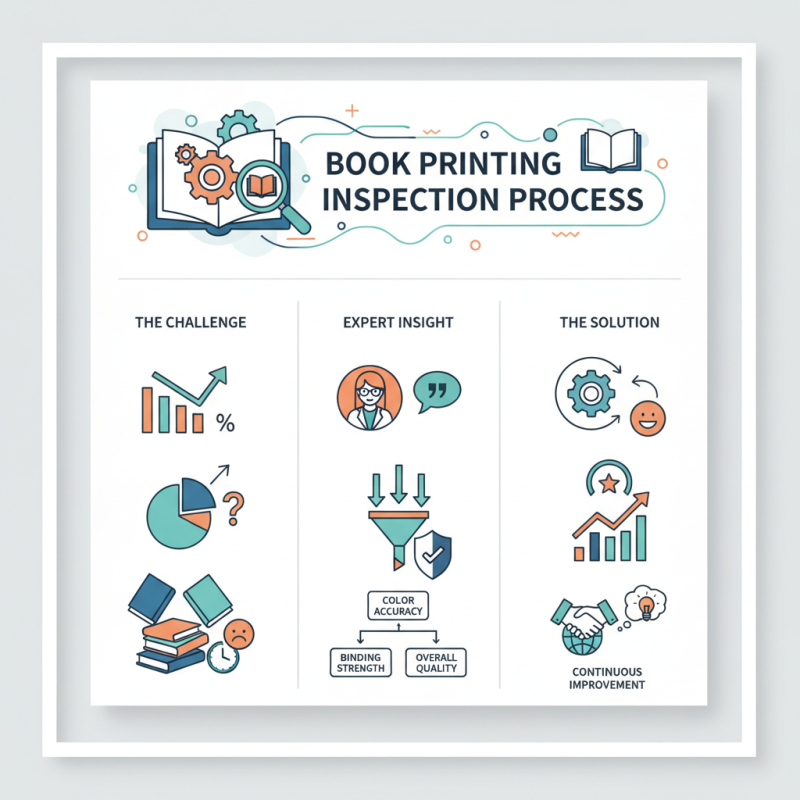
In the realm of publishing, the importance of a rigorous Book Printing Inspection cannot be overstated. According to a 2022 industry report by the Print Quality Association, nearly 65% of printing defects arise from inadequate quality checks during the printing process. These shortcomings not only affect print quality but also lead to increased costs and delays in production schedules. An expert in the field, Dr. Emily Carter, emphasizes this by stating, "Ensuring quality at every stage of book printing is crucial for maintaining brand integrity."
The Book Printing Inspection process serves as a critical checkpoint for verifying color accuracy, binding strength, and overall production quality. Effective inspection helps in minimizing errors that can compromise the entire project. However, many print companies still overlook this vital step, leading to potentially costly repercussions. Unchecked defects can result in returns and disappointed customers.
Reflecting on these challenges, it’s clear that while technology advances, human oversight remains essential. A more systematic approach to Book Printing Inspection can help organizations not only meet quality standards but also foster greater customer satisfaction. As the publishing industry evolves, the gap between expectations and reality in print quality should prompt continuous improvement in inspection practices.
Understanding the Importance of Book Printing Inspection
In the book printing industry, inspection is crucial. It ensures quality and precision in the final product. According to a report by the Printing Industries of America, nearly 30% of printed materials face issues that could have been caught during inspection. This highlights the importance of a thorough inspection process.
Errors in color consistency can greatly affect the reader's experience. A survey from the Book Industry Study Group found that 47% of readers notice color discrepancies. When books are printed without inspection, these problems often go unaddressed. Additionally, issues like misaligned text or poor binding quality can compromise the longevity of a book. Many publishers overlook these details, potentially leading to high return rates.
Inspecting prints at various stages can help prevent costly errors. For example, checking samples before full runs can save resources. However, not all printers prioritize this step. A lack of understanding about the inspection process leads to overlooked opportunities for improvement. Data shows that 60% of publishers do not conduct thorough inspections consistently. This highlights an area for growth in the industry.
Essential Guide to Book Printing Inspection Process
| Inspection Type | Description | Importance | Frequency |
| Pre-Press Inspection | Review of proofs and layouts before printing. | Ensures design accuracy and prevents costly errors. | Before each print run |
| Material Inspection | Checking the quality of paper and ink used. | Guarantees durability and print quality. | Before production starts |
| Semi-Finished Goods Inspection | Inspection of books after initial batch production. | Identifies defects early in the production process. | Mid-production |
| Final Quality Inspection | Final check before shipment. | Ensures products meet quality standards. | After production |
| Customer Feedback Review | Analysis of customer reviews and returns. | Informs future improvements and quality control. | Ongoing |
Key Stages in the Book Printing Inspection Process
The book printing inspection process is crucial for ensuring quality. It includes several key stages that every publisher should understand. Each stage serves its purpose in maintaining high standards, yet challenges often arise.
One significant stage is the pre-press review. This involves checking proofs before the actual print run. Sometimes files may not align perfectly. Colors can vary, and text may appear differently than expected. These discrepancies can cause delays. It is essential to address these issues promptly before moving forward.
The next stage occurs during the printing process. Operators should monitor print quality closely. However, sometimes machine errors happen. Paper may jam or ink may smudge. Regular upkeep of the equipment is vital. Skipping maintenance may lead to larger problems later.
Finally, the post-print inspection is important. Books are reviewed for defects. Even after careful checks, imperfections can slip through. A few copies may show dog-eared pages or incorrect bindings. Conducting a thorough quality assessment helps catch these issues. Each stage of the process provides opportunities for improvement. Embracing these challenges is part of creating quality books.
Common Issues Detected During Book Printing Inspections
The book printing inspection process is crucial for ensuring quality. During inspections, several common issues often arise. One frequent problem is misalignment of pages. This can lead to text and images being cut off. Inspectors look for inconsistent margins, which affect the overall appearance of the book. Another issue is color inconsistencies. Variations can occur between the printed copy and the original design. Such discrepancies can be distracting for readers.
Another concern is binding defects. Misaligned spines or uneven glue can cause pages to fall out. This compromises the durability of the book. Additionally, paper quality may not meet expectations. Some batches might have visible blemishes or tears. Inspectors must be vigilant about these aspects. While efforts are made to catch errors, not every inspection is flawless. Mistakes can slip through, leading to unsatisfactory products reaching the market.
It's important to create a detailed inspection checklist. This should cover all potential issues. Relying on standardized processes can help reduce errors. However, human oversight is inevitable. Continuous training for inspectors can enhance their skills. They need to understand the nuances of book production. Only through attention to detail can high-quality books be produced.
Common Issues Detected During Book Printing Inspections
Best Practices for Conducting Thorough Book Printing Inspections
When it comes to book printing, inspections are vital. This process ensures that the final product meets quality standards. Various aspects need careful evaluation, such as color accuracy, binding strength, and print clarity. A thorough inspection helps identify issues early on, avoiding costly reprints.
Tips: Always check alignment. Poor alignment can ruin the whole look of a book. Use a magnifying glass to review fine details. Inspect not just covers but also content pages. Even small printing errors can affect reader perception.
Quality takes time. Rushed inspections often miss errors. Set aside adequate time for this process. Involve multiple team members for diverse perspectives. Their observations can lead to improvements. Mistakes in color matching or paper quality are common. Don't overlook them.
Each step matters. Creating a checklist can help maintain focus. Track common errors to prevent future issues. Reflect on past inspections to improve future practices. Always strive for higher standards in book printing.
Final Quality Checks Before Book Delivery and Distribution
The final quality checks before book delivery are crucial. In the book printing industry, quality defects can lead to significant financial losses. A recent report indicated that 20% of all printed books encounter issues. Common defects include misprints, binding faults, and color discrepancies. These problems can tarnish a publisher's reputation.
Tips: Always inspect a sample copy. This serves as a benchmark for the entire print run. Look closely at color accuracy. One small mistake can alter the look and feel of the book.
The inspection process should not be rushed. It often uncovers overlooked factors. Even experienced printers can miss errors in formatting or alignment. Some printing companies report that 15% of errors occur during the final review. This highlights the need for thorough checks.
Tips: Collaborate with a skilled quality control team. They can spot inconsistencies before the final distribution. A fresh set of eyes often catches what the original team might miss. Regular training can also enhance their inspection skills.

