Essential Packing Solutions for Global Buyers How to Choose?
When navigating the complex world of international trade, effective packing solutions become vital. Choosing the right packing methods and materials can impact product safety and shipping costs. Global buyers face various challenges, including different regulations and standards. These challenges can lead to costly mistakes if not properly addressed.
For buyers, understanding their specific packing needs is crucial. Each item may require unique packing solutions, tailored to its dimensions and fragility. It's important to consider factors like weight, shape, and destination. Many buyers overlook these details, resulting in inefficient packing.
Ensuring reliable and efficient packing solutions can significantly enhance supply chain efficiency. By prioritizing proper packing strategies, buyers can minimize damage, reduce costs, and improve customer satisfaction. Remember, the right packing decisions reflect a commitment to quality and professionalism in global trade.
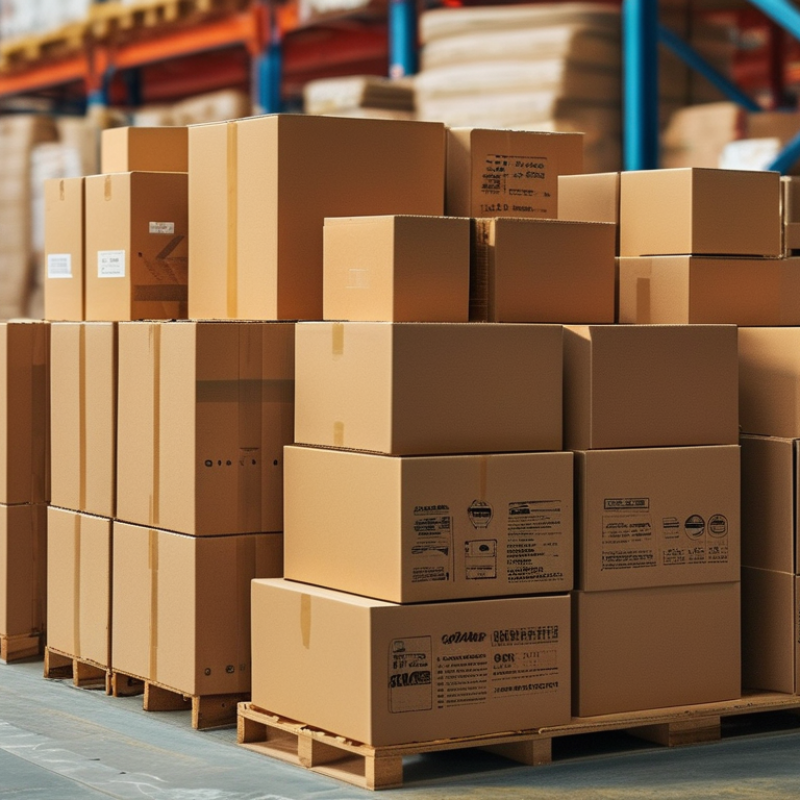
Essential Packing Solutions for Global Buyers: Understanding Market Trends
In today's global market, understanding packing solutions is crucial for buyers. Market trends shift rapidly, influenced by consumer preferences and environmental considerations. As a buyer, one must stay informed about sustainable options that resonate with customers. Studies show that many consumers prefer eco-friendly packaging. This trend can enhance brand reputation and customer loyalty.
Moreover, efficiency matters. Streamlined packing solutions can reduce costs and minimize waste. Buyers should evaluate different materials and methods, weighing durability against sustainability. Observing competitors can provide insights into effective choices. However, it's important to note that not all packing solutions will suit every product. Testing is vital.
Reflect on what works best for your unique needs. Consider logistics and transportation as well. Packaging that withstands various conditions can save money in the long run. Engage with suppliers to explore innovative solutions. This collaboration may unveil options not previously considered. The market offers plenty of choices, but thoughtful selection is key.
Key Factors in Selecting Packaging Solutions for Global Distribution
When selecting packaging solutions for global distribution, several key factors come into play. Understanding these elements can significantly impact your product's success in international markets. Packaging protects the product during transit and provides valuable branding opportunities.
One critical aspect is material selection. Different products require varying types of materials. For fragile items, cushioning materials are essential. Heavy-duty corrugated boxes might be necessary for bulkier goods. It's vital to consider environmental impacts as well. Sustainable packaging is becoming increasingly important to consumers.
**Tips:** Consider the product's journey. Will it face rough handling? Assess the climate conditions of destination countries. This can affect packaging choices.
Cost is another important factor. Striking a balance between quality and price can be challenging. Overinvestment in premium packaging may not be justified, while cheap materials can lead to damages. It's essential to evaluate the total cost of ownership, including shipping and storage.
**Tips:** Explore different suppliers for comparison. Don’t hesitate to ask for samples to test durability. Reflect on past shipping experiences to refine your choices.
Assessing Material Sustainability in Global Packaging Strategies
In recent years, the focus on material sustainability has grown significantly in global packaging strategies. Studies indicate that 75% of consumers prefer eco-friendly packaging options. This shift in consumer behavior urges businesses to reassess their material choices. It’s not enough to select cost-effective materials; sustainability must be a key criterion.
When evaluating packaging materials, companies often overlook the life cycle impact. Reports highlight that only 30% of packaged products are made from sustainable resources. This statistic raises questions about industry practices. Are companies truly prioritizing sustainability, or are they merely meeting regulations? The materials used directly influence both brand reputation and consumer trust.
Additionally, the ability to recycle packaging varies widely by material. For example, some plastics are recyclable, yet they may not be processed in every locality. The transition to sustainably sourced materials is fraught with challenges. It requires continuous assessment and improvement. Engaging with suppliers adept in sustainable practices is vital for companies aiming to lead in this space. The path to true sustainability in packaging is complex and deserves scrutiny.
Cost-Benefit Analysis of Packaging Options for International Buyers
When evaluating packaging options for international buyers, a cost-benefit analysis is crucial. This process involves assessing both financial implications and practical outcomes. Look closely at materials, durability, and transportation expenses. Cheaper materials might save costs initially but could lead to increased damage rates. Damaged goods result in lost revenue and customer dissatisfaction.
Sustainability is another factor to consider. Eco-friendly packaging often costs more upfront. However, it can enhance brand reputation and attract eco-conscious consumers. Analyze your target market's values and preferences. Investing in sustainable solutions might yield long-term benefits.
Don't overlook the practical aspect of packaging logistics. Complexity in packaging can lead to higher handling costs. Make sure you account for storage and distribution requirements. Engaging with logistics experts can offer insights. It's a balancing act between cost and efficiency. Periodically review your choices. What seemed effective may not remain so as market conditions change.
Regulatory Compliance and Standards in Global Packaging Solutions
When navigating global packaging solutions, regulatory compliance is crucial.
Different countries enforce varying regulations regarding materials and labeling. Understanding these differences can be challenging.
For example, some regions require recyclable materials, while others may focus on safety standards for packaging food products.
This complexity can trip up buyers who are unprepared.
Standards set by organizations often dictate packaging requirements. Buyers should familiarize themselves with these standards to avoid penalties.
Inadequate compliance can lead to product recalls.
It’s essential to stay updated on changes in regulations and guidelines. Mistakes in packaging can cost time and resources.
Keeping communication lines open with suppliers can help mitigate risks.
Engaging with experts in regulatory affairs can be beneficial. They provide insights and clarify confusing aspects of compliance.
However, even experts face challenges adapting to rapid changes. Buyers must remain vigilant to ensure their packaging solutions are not just compliant but also effective in protecting their products.
This balance is key for successful global operations.