Why Are Product Packaging Solutions Essential for Business Success?
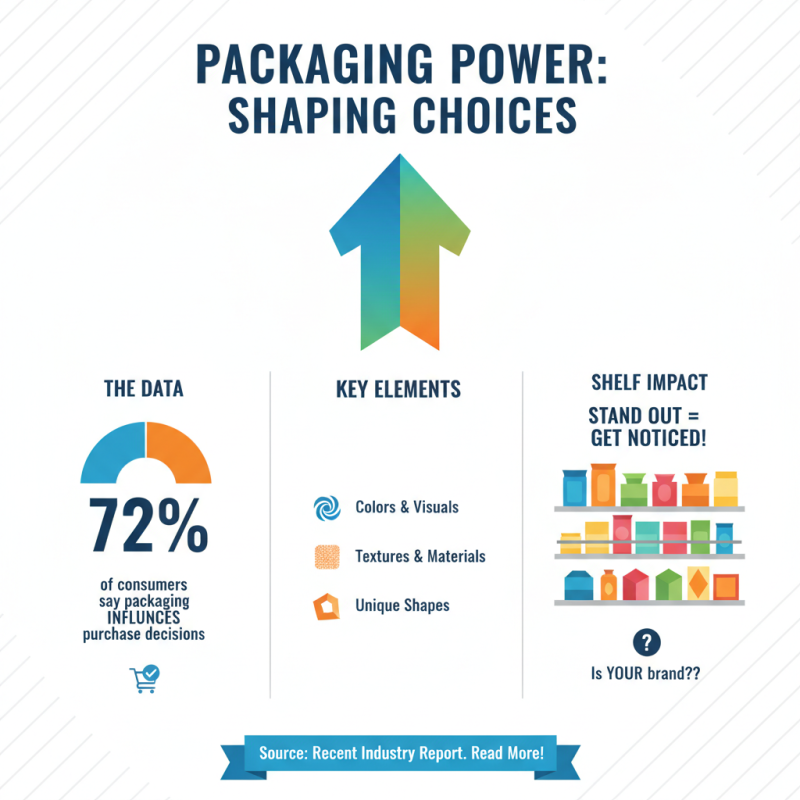
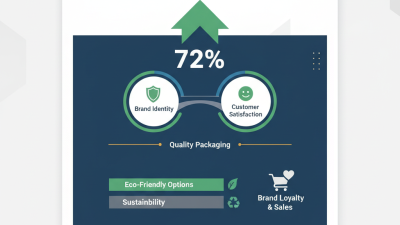
In today's competitive market, effective product packaging solutions are vital for business success. A recent study by Smithers Pira highlights that the global packaging market will reach $1.05 trillion by 2024. Consumers are influenced by how products are packaged. Over 72% of customers say that packaging design impacts their purchasing decisions.
Companies must pay attention to this trend. Poor packaging can lead to missed opportunities. Brands like Apple showcase how innovative packaging creates a memorable unboxing experience. This attracts repeat customers. Yet, many businesses overlook packaging. They focus on product quality or marketing alone.
Sustainable packaging is gaining importance. According to a survey by Nielsen, 66% of consumers prefer brands that use eco-friendly materials. Companies that adapt their product packaging solutions to meet these demands can enhance brand loyalty. However, not all brands prioritize this aspect. It is essential for businesses to reflect on their packaging strategy. Ignoring this can result in lost revenue and market share.

The Role of Product Packaging in Brand Identity Development
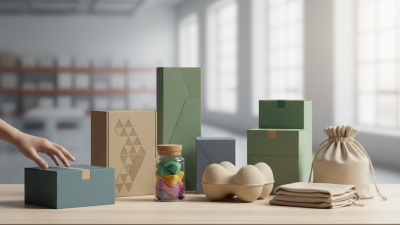
Product packaging plays a vital role in shaping brand identity. When consumers see well-designed packaging, they often associate it with quality. It influences their perceptions and purchasing decisions. A unique design can make a product stand out on crowded shelves. Colors, shapes, and materials all contribute to this visual language.
Tips: Focus on the elements that resonate with your target audience. Consider using eco-friendly materials. This can enhance your brand’s reputation while appealing to environmentally conscious consumers.
Good packaging tells a story. It can reflect your brand values and mission. However, not all designs succeed in doing this. Some may appear attractive but fail to communicate the essence of the product. Evaluating packaging effectiveness is crucial for continuous improvement.
Tips: Gather feedback regularly to see how your packaging is received. Use online surveys or engage directly with customers. Understand what works and what doesn’t so you can grow.
The journey of creating memorable packaging is filled with lessons. Sometimes, an innovative idea might miss the mark. It's essential to adjust designs based on consumer reactions. Balancing creativity with functionality is key to capturing attention and building a lasting brand identity.
Importance of Product Packaging Solutions for Business Success
Understanding Consumer Behavior Through Packaging Design
Packaging design plays a crucial role in shaping consumer behavior. A recent report indicates that 72% of consumers say packaging influences their purchase decisions. This is significant, showing how visual appeal matters. The colors, textures, and shapes all contribute to initial impressions. Unique designs attract attention on crowded shelves. But, does every brand grasp this?
Interestingly, while many invest in design, not all perform well. Some packaging fails to communicate the product's essence. This disconnect can frustrate consumers. For instance, a study found that 50% of shoppers were put off by confusing packages. Clarity is vital. Simple designs often lead to better sales.
Eco-friendly packaging is another trend. About 66% of consumers prefer sustainable options, according to industry research. However, brands struggle to balance aesthetics with sustainability. This can lead to mixed results. Packaging that feels green but lacks visual appeal may not resonate. Such dilemmas invite reflection on priorities in design. Effective packaging must align with consumer values, or the brand may miss the mark.
The Impact of Packaging on Product Shelf Life and Safety
Packaging plays a crucial role in preserving product quality. It protects items from external elements. For instance, airtight seals can extend a product's shelf life. This is vital for perishables like food and beverages. Proper packaging prevents spoilage and maintains freshness. Yet, not all packaging is created equal. Some materials are less effective than others, leading to wasted resources.
Furthermore, packaging ensures safety during transportation. Fragile items need sturdy packaging to avoid damage. Improperly packed products can break easily, resulting in financial losses. Businesses often overlook this detail, thinking all packaging is sufficient. However, a well-thought-out packaging strategy can significantly boost customer trust. It sends a message that the business cares about quality and safety.
Sustainable packaging options are becoming more popular. They address environmental concerns while still ensuring product integrity. However, the transition to eco-friendly materials can be challenging. Some businesses may struggle to find the right balance. Balancing safety and sustainability is a complex issue that requires careful thought. Packaging solutions must evolve to meet both consumer expectations and environmental responsibilities.
Why Are Product Packaging Solutions Essential for Business Success?
| Packaging Type |
Impact on Shelf Life |
Safety Considerations |
Cost Implications |
| Glass Containers |
Excellent barrier properties extend shelf life considerably |
Non-reactive, safe for food products |
Higher production and transportation costs due to weight |
| Plastic Packaging |
Varied barrier properties depending on type; good for dry products |
Risk of leaching chemicals; recycling issues |
Low cost and lightweight, reducing shipping expenses |
| Metal Cans |
Very long shelf life, ideal for perishable items |
Durable and tamper-resistant |
Moderate cost, but resistant to damage |
| Paperboard Boxes |
Suitable for dry goods but less effective against moisture |
Generally safe, but can be compromised if wet |
Cost-effective but less durable |
| Flexible Packaging |
Good barrier properties, adaptable to various products |
Usually safe but depends on materials used |
Cost-effective, lightweight, and reduces transportation costs |
Cost-Effectiveness of Innovative Packaging Solutions
Innovative packaging solutions are crucial for business success, especially in terms of cost-effectiveness. According to a report by Smithers Pira, packaging innovations can reduce costs by up to 30% over traditional methods. Many businesses overlook this aspect, focusing instead on design. However, smart packaging choices can lead to significant savings.
Consider using lightweight materials. They reduce shipping costs and lower the environmental impact. According to the World Packaging Organisation, using eco-friendly packaging can lower overall energy use by 50%. This shift not only helps the planet but can attract eco-conscious consumers.
Tips: Focus on multi-functional packaging. It can serve several purposes and reduce the need for additional materials. Evaluate your current packaging frequently. Ask if it can be optimized or enhanced. Many companies find ways to cut costs without sacrificing quality. Investing time in packaging solutions often yields great returns.
Sustainable Packaging Practices and Their Business Benefits
Sustainable packaging practices are more than just a trend; they are vital for business success. According to a study by McKinsey, over 60% of consumers prefer sustainable packaging options. This statistic highlights the need for companies to consider eco-friendly solutions. Implementing sustainable practices can increase customer loyalty and enhance brand image. However, creating sustainable packaging often comes with challenges, and not all solutions are perfect.
For example, biodegradable materials may not have the same shelf life as traditional options. Brands must weigh the pros and cons carefully. Investing in research can help identify materials that align with sustainability goals while still meeting functionality needs. It's important not to compromise on quality while making eco-friendly choices.
**Tip:** Regularly evaluate your packaging suppliers. Assess their sustainability claims and certifications. This ensures you are genuinely supporting environmentally responsible practices.
Moreover, sustainable packaging can lead to cost savings. A report by the World Economic Forum suggests that optimizing packaging can reduce materials used by 30%. Sometimes, less is more. Redesigning packaging can lessen waste and cut costs. However, the process may require multiple iterations, leading to potential setbacks.
**Tip:** Involve customers in the design process. Their feedback can provide valuable insights and lead to better product offerings.