Essential Tips for Choosing the Right Corrugated Box?
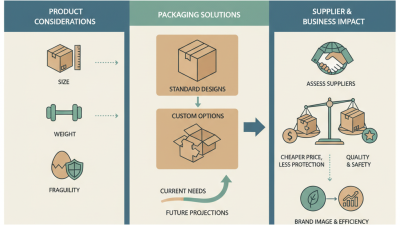
Choosing the right corrugated box can significantly impact your shipping and storage needs. Understanding the various options available is crucial. Corrugated boxes come in different sizes and strengths. Selecting the incorrect type may lead to damaged products or increased shipping costs.
When evaluating options, consider the purpose of the box. Are you shipping fragile items or heavy goods? This decision will affect the thickness and durability required. Additionally, think about the environment. Eco-friendly corrugated boxes are available and provide an increasingly viable option for businesses committed to sustainability.
Keep in mind, not all suppliers offer the same quality. Researching reputable manufacturers and reading customer reviews can provide valuable insights. Reflect on your previous experiences with packaging. Did the boxes meet your expectations? Were they reliable during transit? These reflections can guide you in making a more informed choice for future needs.
Factors to Consider When Selecting Corrugated Boxes
When selecting the right corrugated box, several factors deserve attention. First, consider the material's strength. The box's flute type and flute thickness are crucial. Different flute types provide varying levels of protection. For example, A-flute is thicker and provides more cushioning than C-flute. Choose based on your product's fragility. A miscalculation here could lead to product damage.
Next, think about the size of the box. Too big, and the items may shift during transport. Too small, and the boxes may crush the products inside. Measure your items precisely to avoid these pitfalls. Also, consider the box's weight. Lighter boxes can reduce shipping costs. Heavy boxes can increase expenses and strain your logistics.
The box's design also plays a role. Custom designs can enhance branding but may cost more. Evaluate your budget and needs. Will the design impact customer perception? Lastly, don’t overlook the environmental aspect. Sustainable materials can resonate with eco-conscious consumers. This simplicity can sometimes raise questions about durability or cost. Making the right choice is often a balancing act.
Understanding Different Types of Corrugated Boxes Available
When choosing the right corrugated box, it's crucial to understand the various types available. Single-wall boxes are the most common. They consist of one layer of fluted paper sandwiched between two liners. Ideal for lightweight items, they offer good protection but may not suit heavier loads.
Double-wall boxes provide enhanced strength and durability. Comprising two layers of fluting, they can hold heavier items, making them perfect for shipping electronics or fragile goods. Consider the box dimensions carefully. Oversized boxes can lead to product movement during transit, risking damage. Meanwhile, undersized boxes may result in compression and crushing.
Custom-designed boxes are available for unique items. They ensure a snug fit, offering maximum protection. However, they may require longer lead times and extra costs. Thinking about these factors can lead to better choices. Inexperience in box selection can lead to shipping failures or product damage. Always reflect on your packaging needs before making a decision.
Assessing the Strength and Durability of Corrugated Materials
When selecting the right corrugated box, assessing the strength and durability of materials is crucial. A box made from high-quality corrugated material protects your products during shipping. It absorbs impacts from drops or rough handling, preventing damage. Corrugated cardboard comes in various grades, and knowing the type you need is essential. The flute size influences strength and cushioning ability.
Testing a box's durability can involve simple methods. For instance, apply pressure to see how it holds up. Consider drop tests to understand how it performs in real situations. If a box fails easily under stress, it might not be the best choice. Remember, the environment also matters. Humidity can weaken cardboard, so consider where your box will be stored.
Also, some boxes may be over-engineered for the task. It’s not always necessary to choose the strongest material available. Assessing the product weight and shipping distance will help you make a better choice. This reflection can save costs while still providing adequate protection. A balance between strength and cost creates the best option for your needs.
Essential Tips for Choosing the Right Corrugated Box
| Dimension |
Measurement |
Flute Type |
Burst Strength (lb/in²) |
Weight Capacity (lbs) |
| Small Box |
12"x12"x12" |
B Flute |
32 |
30 |
| Medium Box |
16"x16"x16" |
C Flute |
44 |
50 |
| Large Box |
24"x24"x24" |
E Flute |
36 |
70 |
| Extra Large Box |
30"x30"x30" |
Double Wall |
65 |
100 |
Evaluating Size and Dimensions for Optimal Packaging
When choosing the right corrugated box, size and dimensions are pivotal. The box should snugly fit your products. An oversized box can lead to unnecessary movement, risking damage during transit. Conversely, a box that is too small may crush your items.
One tip is to measure your products accurately. Use a tape measure for precision. Include padding material in your calculations. This will help you choose a box that offers adequate protection. Consider the shape of your items. Irregularly shaped items may require custom box designs.
Reflect on your packaging needs. Standard box sizes might not always suit your products. Don’t rely solely on pre-made options. If necessary, explore custom solutions. Always remember that the right fit enhances protection and overall presentation. Quality packaging reflects your brand’s attention to detail.
Cost Considerations and Budgeting for Corrugated Boxes
When budgeting for corrugated boxes, there are key factors to consider. Material quality and box design significantly affect costs. Lightweight boxes may save money on shipping but could compromise product protection. Assessing durability is vital. Cheaper options might lead to damage, resulting in higher costs later.
Volume is another critical element. Ordering in bulk often yields discounts but requires upfront investment. Calculate your storage capacity. Excess inventory may lead to waste. Understanding your needs helps balance cost and quality effectively.
Don’t overlook hidden costs. Printing and custom designs can add to the price. Evaluate whether branding on boxes is worth the investment. If it enhances customer experience, it could justify the expense. Choose wisely to ensure your budget is well allocated while meeting your packaging needs.