10 Essential Tips for Choosing the Best Packaging Solutions for Your Business?

Choosing the right packaging solutions can significantly impact your business success. It’s not just about aesthetics; functionality is crucial too. The right packaging ensures product protection and enhances brand visibility. Many businesses overlook the importance of this decision. This can lead to wasted resources and compromised product quality.

When selecting packaging solutions, consider factors like material, size, and sustainability. Your choices should reflect your brand values while meeting customer expectations. It’s easy to get caught up in trends, but remember to prioritize what works for your product. Every detail counts, from the shape of a box to the type of sealing.

Reflecting on past selections may reveal mistakes. Maybe you chose a package that was too flimsy or hard to open. Learning from these experiences is vital. By evaluating your needs carefully, you can make smarter decisions. Quality packaging solutions will not only protect your products but also strengthen your brand identity in the market.

10 Essential Tips for Choosing the Best Packaging Solutions for Your Business?

Understanding Your Business's Packaging Needs
10 Essential Tips for Choosing the Best Packaging Solutions for Your Business?

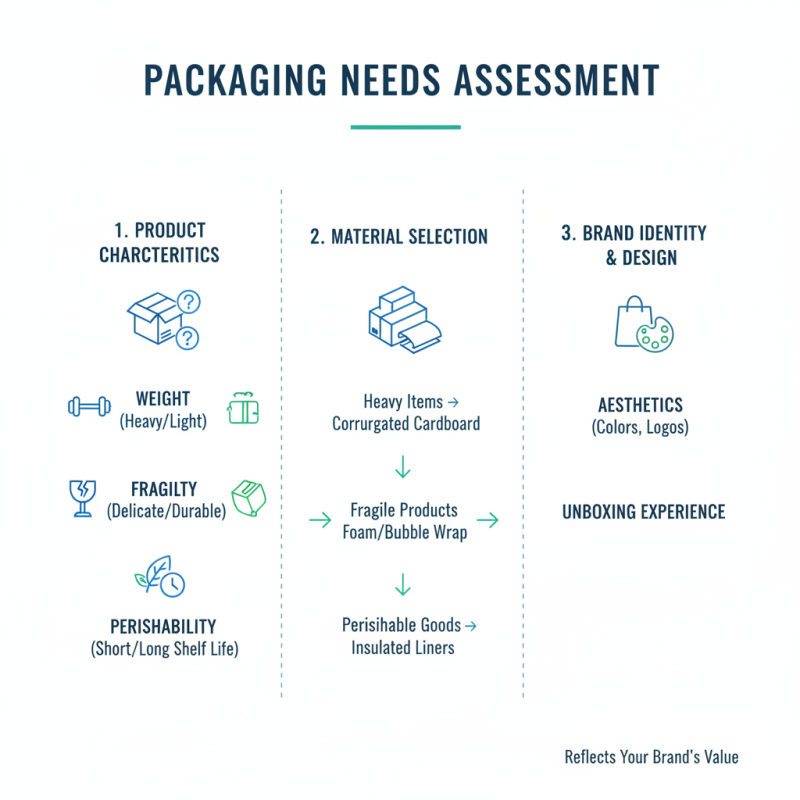
Understanding your business's packaging needs is crucial. It begins with identifying your product characteristics. Consider weight, fragility, and perishability. These elements directly influence the type of packaging materials you'll require. For example, heavy items may need sturdier boxes. Fragile products often require extra cushioning. Don't overlook the importance of aesthetics either. Packaging design should reflect your brand's identity.

Engage with your team to gather insights. Different departments may have varied perspectives on packaging requirements. Marketing might emphasize visual appeal, while logistics may focus on durability and cost-effectiveness. Comparing opinions can reveal potential blind spots. Experiment with different materials and designs, but remain mindful of sustainability. Eco-friendly packaging is increasingly important to consumers.

Finally, assess your budget constraints. Quality packaging can be costly but essential for customer satisfaction. Striking the right balance between cost and quality isn't easy. You may need to conduct multiple tests before finalizing your choices. Reflect on past experiences to avoid repeating mistakes. Your packaging solution should support not just your products but also your customers' expectations.

Evaluating Different Types of Packaging Materials

When evaluating different types of packaging materials, consider the purpose and design of your product. The right material can protect your items and enhance their appeal. Paper, plastic, glass, and metal are common types, each with unique benefits and drawbacks.

Paper packaging is biodegradable and often costs less. It is great for lightweight products. However, it may not provide sufficient protection for fragile items. Plastic is versatile and durable. Yet, it can be harmful to the environment, raising sustainability concerns. Glass offers premium quality but is heavy and breakable. Metal packaging is strong and recyclable, though it may not be suitable for all products.

Selecting a packaging solution involves trade-offs. Don’t overlook the importance of cost and consumer preferences. Always test your packaging in real-world conditions. Observing its performance helps identify issues. Approach this process with creativity and a willingness to adapt. Small changes can lead to significant improvements, so remain open to new ideas and feedback from customers.

10 Essential Tips for Choosing the Best Packaging Solutions for Your Business

Packaging Material Advantages Disadvantages Ideal Use Case
Cardboard Lightweight, recyclable, cost-effective Less durable, not waterproof E-commerce products, light goods
Plastic Waterproof, durable, versatile Environmental concerns, can be non-biodegradable Food packaging, personal care products
Glass Recyclable, preserves freshness Heavy, fragile Beverages, luxury goods
Metal Strong, recyclable, good barrier properties Expensive, heavier than other materials Canned foods, beverages
Biodegradable Materials Eco-friendly, compostable Higher cost, shorter shelf life Sustainable products, food packaging

Considering Environmental Impact and Sustainability

When choosing packaging solutions, considering the environmental impact is crucial. Many businesses overlook how their choices affect the planet. Sustainable packaging options, like biodegradable materials, can significantly reduce waste. For instance, recyclable paper or compostable plastics are excellent alternatives to traditional packaging.

Moreover, the sourcing of materials matters. Transparent supply chains can enhance a business's sustainability efforts. Look for suppliers who prioritize eco-friendly practices. This not only helps the environment but also appeals to conscious consumers. However, not all green options are created equal. Some marketing claims can be misleading. It’s essential to research and validate claims made by suppliers.

Thinking about the end lifecycle of packaging is vital. Many assume recycling is enough, but it’s not. Some materials have limited recycling capabilities. This calls for creative solutions, like reusable packaging. Yet, implementing these ideas can be challenging. Businesses must balance cost and sustainability. Finding the right approach might require experimentation. Reflections on these choices can lead to better practices in the future.

Assessing Cost-Effectiveness and Budget Constraints

When evaluating packaging solutions, cost-effectiveness is crucial. A recent industry report highlights that packaging can account for up to 10% of a product's total cost. This figure demands careful consideration. It’s essential to analyze both material costs and design expenses. Premium materials might attract consumers, but they can inflate the budget significantly.

Understanding your budget constraints is vital. Research suggests that nearly 30% of businesses overspend on unnecessary features in packaging. This includes elaborate designs that don’t add value. Instead, focus on essentials. For instance, eco-friendly materials often offer a great balance between cost and sustainability.

Moreover, shipping costs must not be overlooked. Packaging that is too bulky can lead to higher shipping fees, impacting the overall budget. In some cases, a simpler design can reduce weight and volume, ultimately cutting these costs. Analyzing metrics related to potential savings can provide insights into the best approach for your business.

Choosing Packaging That Enhances Brand Recognition

Packaging plays a critical role in brand recognition. Studies show that 72% of consumers say packaging design influences their purchasing decisions. Eye-catching designs can attract attention on crowded shelves. Unique colors and shapes can also create memorable experiences. A strong visual identity in packaging helps your brand stand out. It communicates your brand’s values at a glance.

However, not every choice resonates with consumers. For instance, 60% of shoppers prefer sustainable packaging. Ignoring this trend may alienate eco-conscious customers. Innovative materials can enhance the perception of a brand's commitment to sustainability. Yet, the challenge remains in balancing cost-effectiveness and eco-friendliness. Brands must ask themselves: does our packaging align with consumer expectations?

Incorporating interactive elements can also enhance engagement. QR codes or augmented reality can connect packaging to digital experiences. Yet, we must question whether these technologies offer real value. Will consumers embrace these features or find them gimmicky? Therefore, testing and refining packaging strategies is essential. Engaging with customers for feedback can lead to better brand recognition outcomes.