What is Innovative Packaging and Why Does It Matter?
In today’s rapidly evolving market, innovative packaging is more than just a trend; it’s a necessity. Experts highlight its crucial role in branding and consumer engagement. Susan Millerick, a renowned packaging strategist, says, “Innovative packaging speaks to customers, telling them a story beyond the product.” This statement underscores how creative designs can attract attention and drive sales.
Innovative packaging encompasses various elements, from material choices to structural design. For instance, eco-friendly materials are becoming a popular choice. They not only appeal to environmentally conscious consumers but also portray a brand as responsible. Yet, despite its advantages, many companies still overlook the potential of innovative packaging. This oversight can lead to lost opportunities and stagnation in brand growth.
Packaging should serve multiple purposes: protection, appeal, and sustainability. It shouldn’t just be about aesthetics or functionality but about creating a memorable experience. Companies often struggle with balancing these elements. This ongoing challenge offers room for reflection on how innovative packaging can evolve further, catalyzing deeper connections with consumers and enhancing brand legacy.
Definition of Innovative Packaging: Key Characteristics and Elements
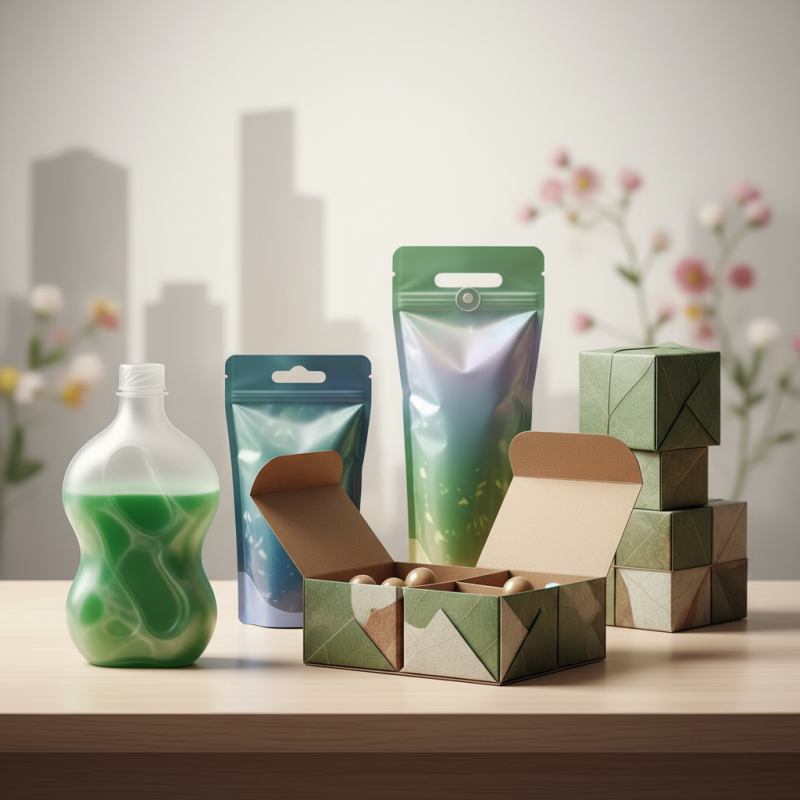
Innovative packaging refers to creative and functional designs that enhance product presentation and usability. It is not just about aesthetics; it involves finding solutions to common problems. Key characteristics include sustainability, ease of use, and the ability to protect the product. For example, biodegradable materials can greatly reduce environmental impact. These features resonate with consumers who prioritize eco-friendliness.
Another essential element of innovative packaging is the consumer experience. Interactive designs engage customers and create memorable moments. Think about packaging that transforms into a useful item after use. Such ideas add value beyond the initial purchase. However, innovation can sometimes miss the mark. Overly complex designs may confuse customers rather than attract them. Clarity should never be sacrificed for creativity. Reflecting on past failures can guide future improvements, leading to truly revolutionary ideas in packaging.
Importance of Innovative Packaging in Modern Retail and Consumer Markets
Innovative packaging plays a vital role in modern retail and consumer markets. According to a recent study by the Smithers Pira group, the global market for sustainable packaging is projected to reach $400 billion by 2027. This shift highlights the increasing consumer demand for eco-friendly options. Retailers must adapt to these preferences to remain competitive.
Innovative packaging can enhance the customer experience. For example, interactive designs can engage consumers and provide product information. Research shows that 72% of consumers say that packaging design influences their purchasing decisions. Therefore, brands that invest in unique packaging often see higher sales.
Tips: Think about how colors and materials convey brand identity. Keep in mind that excessive packaging can annoy consumers.
Consider this: not all innovative packaging works. Some ideas may fail to resonate with the target audience. Ultimately, continuous testing and feedback are crucial. Brands should strive for improvement and not be deterred by initial setbacks.
Examples of Successful Innovative Packaging Solutions in Various Industries
Innovative packaging plays a crucial role in various industries. It captivates consumers with unique designs and functions. For instance, food packaging that keeps items fresh longer can reduce waste. This benefits both customers and the environment. Using biodegradable materials demonstrates a commitment to sustainability. Some companies are experimenting with packaging that transforms into the product itself, creating an engaging experience.
In the beauty sector, packages that double as applicators save space and reduce clutter. They can also minimize material waste, a significant concern for eco-conscious consumers. However, not all solutions are perfect. Some designs may be difficult to open or use, causing frustration. Collecting feedback is essential. It helps refine ideas and make improvements for future iterations.
The tech industry embraces smart packaging that includes QR codes. These codes provide interactive experiences. They allow customers to access more information instantly. Yet, reliance on technology can sometimes backfire. Not everyone is tech-savvy or has access to the required devices. A balance must be struck between innovation and usability.
Challenges and Considerations in Developing Innovative Packaging
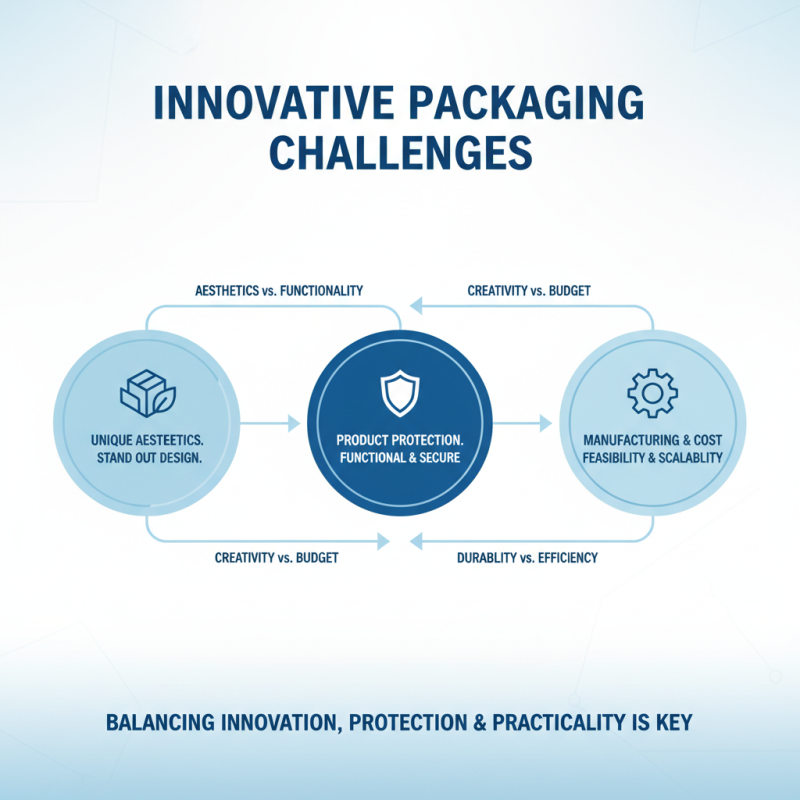
Innovative packaging presents unique challenges for developers. Creating packaging that stands out is essential, yet it must remain functional. Balancing aesthetics and practicality often leads to conflicts. For instance, a beautiful design may not protect the product effectively.
Tips: Test various materials during the design phase. Consider both appearance and functionality to avoid costly changes later.
Sustainability is another critical issue. Consumers increasingly demand eco-friendly packaging solutions. Meeting this demand while ensuring durability can be tricky. You might face higher costs or find it difficult to source materials. Reflect on whether the environmental impact justifies the design choices.
Tips: Engage with suppliers early. Research biodegradable options to widen your choices.
Lastly, usability cannot be overlooked. Packaging must be user-friendly. Complicated designs may frustrate customers. It’s essential to gather feedback regularly. This iterative process can highlight potential pitfalls in design. Always be ready to adapt based on what users say.
Future Trends in Innovative Packaging: Sustainability and Technology Advancements
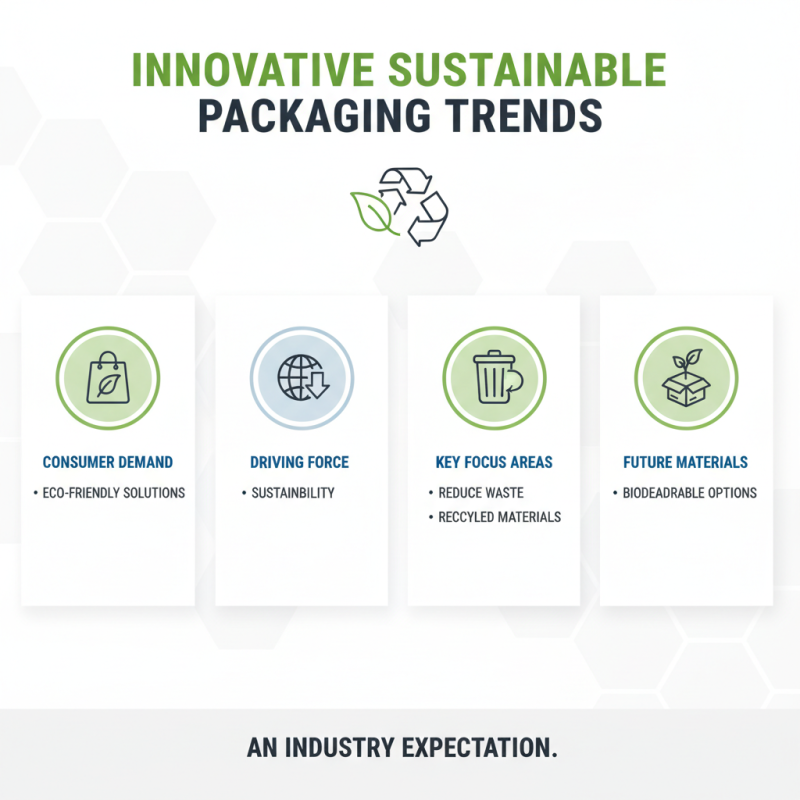
Innovative packaging is evolving rapidly. Sustainability is driving trends in this field. Consumers demand eco-friendly solutions. Packaging must reduce waste and use recycled materials. Brands are exploring biodegradable options. This shift is not just for show; it’s becoming an expectation.
Technology advancements enhance packaging effectiveness. Smart packaging is emerging, integrating sensors to monitor freshness. This can minimize food waste, but it raises questions about data privacy. Are consumers ready to embrace this technology? Moreover, innovative designs can improve user experience. Packaging that is easy to open can save time and frustration.
Yet, innovation comes with challenges. Not every new idea hits the mark. Some sustainable materials do not perform as well as traditional packaging. This can lead to product damage and customer dissatisfaction. Reflecting on these issues is vital. Balancing innovation with practicality is crucial for success.
Related Posts
-
How to Choose the Best Packaging Solutions for Your Business Needs?
-

Quality Packaging Trends to Watch in 2025 for Top Digital Products
-
Top 10 Stunning Packaging Design Trends You Need to Know in 2023
-
10 Best Packing Solutions for Hassle-Free Shipping and Storage
-
10 Best Product Packaging Solutions to Enhance Your Brand Visibility
-
Why Are Packaging Design Services Essential for Business Success?