2026 How to Optimize Your Packaging Design for Global Buyers?
In today's global marketplace, effective packaging design is vital. It goes beyond mere aesthetics; it influences consumer perception and purchasing decisions. For international buyers, packaging is a key touchpoint. It can convey brand values and product quality at a glance. A well-designed package can communicate a story or message, making it memorable. Yet, many brands often overlook the cultural nuances required for global appeal.
A successful packaging design resonates with its audience. However, getting it right is challenging. Different regions may have distinct preferences regarding colors, materials, and messaging. What works in one market may fail disastrously in another. Brands must be willing to adapt and evolve their designs based on market feedback. This requires continuous testing and refining.
Additionally, analytical tools can help identify trends and consumer behavior. However, relying solely on data can lead to missed opportunities. Human insight remains invaluable in the design process. Balancing creativity with research creates packaging that engages consumers emotionally. By addressing these factors, brands can create packaging designs that not only attract attention but also foster loyalty among global buyers.

Understanding the Importance of Packaging Design for Global Markets
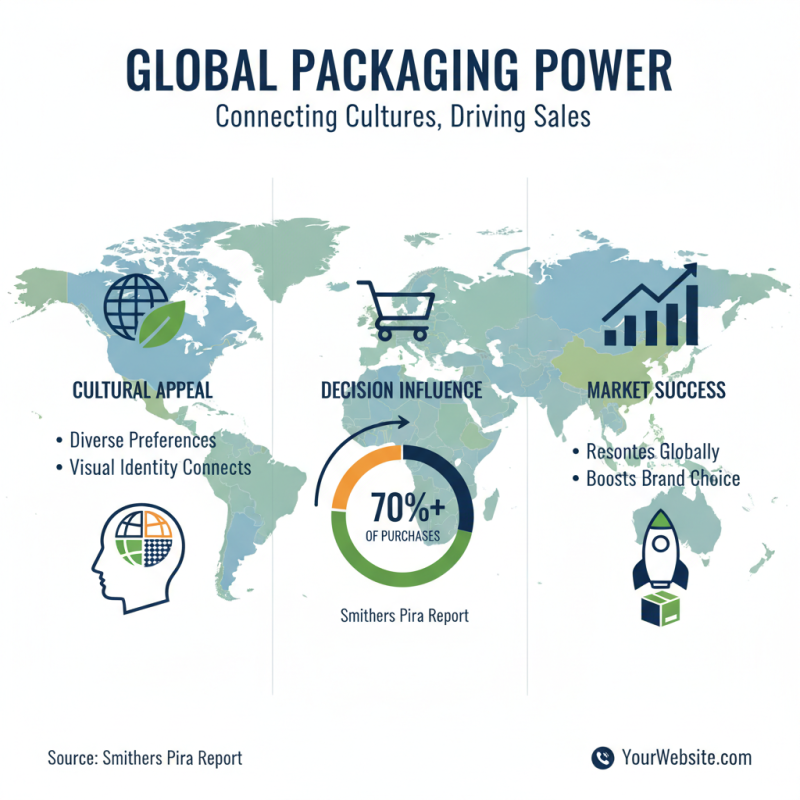
Packaging design plays a crucial role in appealing to global buyers. In markets characterized by diverse cultural preferences, the ability to connect through visual identity is vital. According to a report by Smithers Pira, packaging influences consumer decision-making for over 70% of purchases. This demonstrates the power of effective design that resonates across various demographics.
When optimizing packaging, consider the material and aesthetics that align with regional values. Eco-friendly packaging can significantly enhance brand perception. In fact, a survey by Nielsen indicates that 66% of consumers are willing to pay more for sustainable products. However, not every market values sustainability equally. This creates a challenge. An effective packaging strategy must be adaptable while still maintaining core brand values.
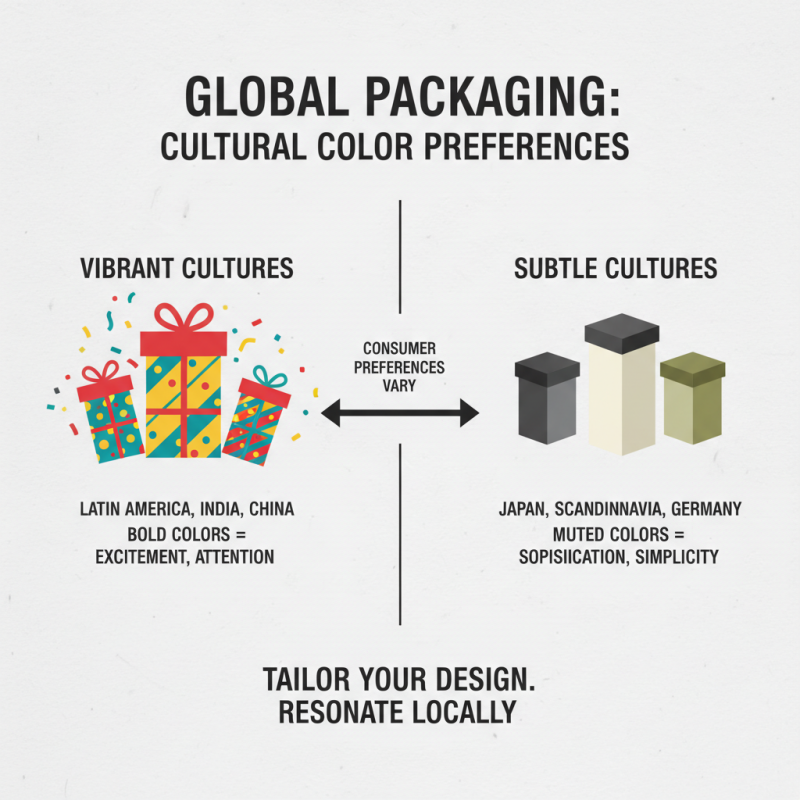
Colors, shapes, and images must cater to local tastes. For example, while minimalist designs may appeal in Western markets, vibrant and detailed packaging can attract buyers in parts of Asia. This is an area where companies often struggle, as localization requires in-depth market research. Balancing global branding with local preferences is complex and, at times, leads to mismatched designs that can confuse or alienate potential customers. Striving for perfection in packaging design requires constant iteration and openness to feedback.
Key Elements of Effective Packaging: Materials, Design, and Functionality
Effective packaging is crucial for capturing the attention of global buyers. Materials play a significant role. Sustainable materials are increasingly in demand. Buyers prefer eco-friendly options that minimize environmental impact. Consider biodegradable or recyclable materials. These choices not only appeal to customers but also enhance brand reputation.
Design is another vital element. It should reflect the brand's values while being visually appealing. Use colors and shapes that resonate with target markets. Clear and informative labeling is essential. This ensures buyers easily understand product benefits. However, it's important to avoid clutter. Simplicity often wins.
Functionality cannot be overlooked. Packaging should protect the product effectively. It must be easy to open and handle. Consumers appreciate convenience. Yet, striking a balance between durability and weight is challenging. Overly heavy packaging can lead to increased shipping costs. Reflecting on these aspects can lead to improvements in packaging design. Each decision matters in the eyes of a global audience.
2026 Packaging Design Optimization Chart
Sustainable Packaging Solutions to Attract Eco-Conscious Buyers
Sustainable packaging is crucial for capturing the attention of eco-conscious buyers. Many shoppers today look for brands that prioritize the environment. Their choices often reflect personal values and a commitment to sustainability. With this in mind, brands must consciously incorporate eco-friendly materials into their packaging designs. Using biodegradable or recycled materials can create a more appealing product.
There are challenges to consider. Transitioning to sustainable packaging may initially increase costs. Brands might worry about durability or aesthetics. Finding the right balance between eco-friendliness and functionality is essential. Additionally, consumers demand transparency. Labels that explain the sustainable practices can enhance trust. If a product's packaging does not align with its green claims, buyers may feel misled.
Creative design plays a role too. Unique shapes and eye-catching colors can make sustainable packaging more attractive. A well-thought-out design not only meets environmental goals but also stands out on shelves. Brands should regularly assess their packaging approaches, refining them based on feedback. The journey toward truly sustainable packaging is ongoing, and reflection is vital to making continuous improvements.
Testing and Iterating Packaging Designs Based on Market Feedback
Packaging design plays a crucial role in attracting global buyers. It's essential to gather market feedback. A report from Smithers states that 60% of consumers want to see packaging that reflects sustainability. However, many brands still overlook this aspect. Testing can reveal consumer sentiments about materials used. Iterating designs based on this feedback fosters improvements.
One striking finding shows that 75% of companies adjust their packaging strategies after customer input. Designers should be open to criticism. Sometimes, the design that seems perfect internally isn't received well externally. Engaging with focus groups can provide insights that numbers can't capture. For instance, color schemes may resonate differently across cultures. The same shade may evoke excitement in one region but confusion in another.
Market testing can identify these discrepancies. Reports highlight that products with redesigned packaging saw a 15% sales increase on average. Yet, this process takes time. Brands often hesitate to invest in thorough testing and iteration. A quick launch may seem appealing, but neglecting feedback is a missed opportunity. Relying solely on internal opinions may lead to costly mistakes.