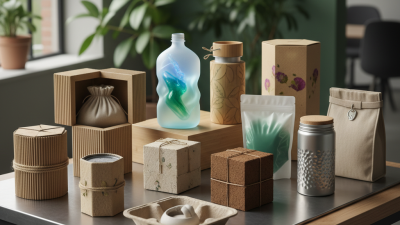
Top Packaging Design Trends to Watch in 2026?
In the fast-evolving world of packaging design, staying ahead of trends is critical for brands. A recent report from Smithers Pira highlights that the global packaging market is projected to reach $500 billion by 2026. This growth underscores the importance of innovative packaging solutions that meet consumer demands and sustainability goals.
As we look toward 2026, key trends are shaping how brands approach packaging design. Biodegradable materials are gaining traction, with market research indicating a 20% increase in eco-friendly packaging preferences among consumers. Moreover, digital packaging technology enhances interactivity, allowing brands to engage customers in new ways. However, as brands strive for these advancements, they must also ensure their designs are practical and cost-effective.
Challenges remain as the packaging design landscape transforms. Balancing aesthetic appeal and functionality is not always straightforward. Brands must reflect on the implications of their choices on both the environment and consumer perception. Anticipating these trends in packaging design is essential for brands aiming to resonate with an increasingly conscious audience.
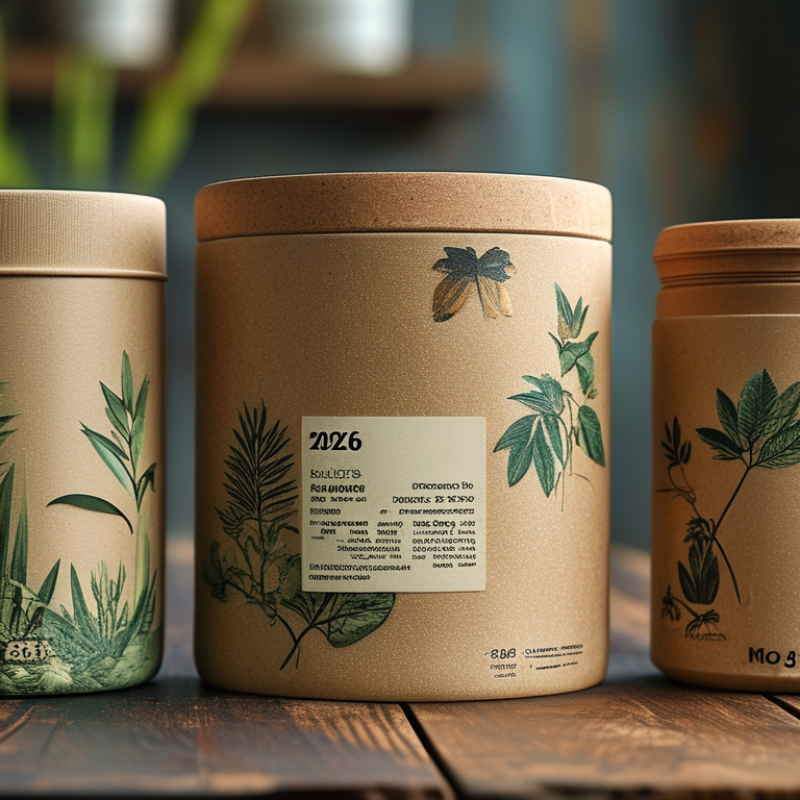
Emerging Eco-Friendly Materials Driving Packaging Design in 2026
As we approach 2026, packaging design is set to undergo transformative changes driven by eco-friendly materials. According to the latest report by Smithers Pira, the demand for sustainable packaging solutions is predicted to increase at a CAGR of 5.7% until 2027. This growth highlights the urgency brands feel to adopt responsible practices. Consumers now demand products that align with their values. Packaging made from biodegradable, recycled, or renewable materials is becoming a necessity rather than a choice.
Innovations such as plant-based plastics and compostable materials are leading the charge. A study by Allied Market Research reveals that bioplastics could account for 40% of the global packaging market by 2026. While this presents exciting opportunities, challenges remain. Sourcing these materials can be costly, and the infrastructure for composting may not be widely available. Brands must navigate these complexities thoughtfully. Balancing sustainability with cost-effectiveness and aesthetics will be critical as companies redesign their packaging to meet consumer expectations.
The drive towards eco-friendly materials also raises questions about longevity and performance. For instance, while some biodegradable materials degrade effectively in ideal conditions, they may falter in less controlled environments. As brands explore these new materials, understanding their limitations becomes essential. The packaging industry is at a pivotal moment, needing to balance innovation with practicality in its sustainability goals.
The Rise of Minimalist Aesthetics in Consumer Packaging Trends
The minimalist aesthetic is gaining traction in consumer packaging design. A recent report highlights that around 70% of consumers prefer simple packaging over overly ornate designs. This preference signals a shift towards cleaner, more straightforward visuals that convey clarity. Minimalist packaging often features neutral colors and straightforward typography. Such designs create a sense of calm and trust, appealing to modern consumers.
Research indicates that minimalistic packaging can boost brand perception. According to the Packaging Design Association, 60% of top brands now embrace minimalism. This approach focuses on essential elements, removing distractions. As brands aim for authenticity, simplicity becomes a key approach for engagement. Visual clutter tends to overwhelm consumers, leading to disengagement. A clear and direct message can significantly impact purchasing decisions.
However, challenges arise with this trend. Minimalist packaging must effectively communicate the brand's identity. Striking the right balance between simplicity and brand storytelling can be difficult. Over-simplification may lead to a loss of essential information. Brands must strive to encapsulate their essence without diluting their message. As minimalist trends evolve, staying true to authenticity will remain vital for success in packaging design.
Integration of Smart Technology for Enhanced User Experience in 2026
The integration of smart technology in packaging is poised to revolutionize user experiences by 2026. Reports indicate that nearly 40% of consumers are interested in interactive packaging that enhances usability. As brands embrace innovation, packaging designs will incorporate QR codes, NFC, and augmented reality. These technologies enable consumers to engage in immersive experiences.
Smart packaging not only provides information but also allows users to personalize their interactions. For example, real-time inventory adjustments can reflect in-store availability. Research suggests this integration can reduce product waste by up to 20%. Smart technology brings a level of convenience that consumers now expect, yet there are some challenges. Data privacy remains a concern, with 60% of consumers wary about sharing personal information.
Moreover, the effectiveness of these technologies can differ across demographics. While younger consumers may embrace smart packaging, older generations may find it confusing. Brands must consider these variances. Developing user-friendly interfaces will be crucial in increasing adoption rates. Striking the right balance between innovation and usability is vital. As the packaging landscape evolves, listening to customer feedback will remain essential for success.
Impact of Consumer Behavior on Packaging Design Innovations
Consumer behavior plays a critical role in shaping packaging design innovations. As consumers become more environmentally conscious, they expect brands to reflect their values through sustainable packaging. This shift is driving designers to explore materials that are biodegradable or easily recyclable. The demand for minimalistic yet informative designs is also increasing. Clear labeling and transparency about a product’s journey are now essential.
Another aspect is the emotional connection that packaging can establish. Unboxing experiences have gained importance in recent years. Consumers often share these moments on social media. This interaction encourages brands to invest in unique, eye-catching designs. A well-designed package can evoke a sense of luxury or nostalgia, making it memorable.
However, not all designs hit the mark. Some may focus too heavily on aesthetics without considering functionality. This can lead to frustration when packaging is difficult to open. It’s crucial for designers to find the right balance. They must consider usability alongside visual appeal. As consumer expectations evolve, so must the innovations in packaging design.
Regulatory Changes and Their Influence on Sustainable Packaging Solutions
Regulatory changes are shaping the future of packaging. In 2026, businesses must adapt to shifting guidelines. Packaging design trends are increasingly influenced by sustainability requirements. For example, many regions are enforcing stricter laws on single-use plastics. This pushes companies to explore eco-friendly materials.
Sustainable packaging solutions, like biodegradable plastics, are becoming essential. Companies will need to balance aesthetics and functionality. Some may struggle to find the right materials that align with regulations. This is a challenge, prompting businesses to rethink their designs. Packaging should not only protect the product but also reflect an environmental commitment.
Challenge exists in understanding complex regulations. As governments evolve their sustainability goals, enforcement will vary. Keeping up with these changes can be daunting for many. Yet, this can be an opportunity for innovation. Companies that successfully embrace sustainability can lead the market. Adapting now could mean thriving later in a more eco-conscious landscape.
Top Packaging Design Trends to Watch in 2026 - Regulatory Changes and Their Influence on Sustainable Packaging Solutions
| Trend |
Description |
Impact of Regulatory Changes |
Sustainability Focus |
| Minimalist Design |
Simple and clean designs that emphasize functionality. |
New regulations encourage simplicity to reduce material usage. |
Promotes the use of recyclable materials. |
| Bold Colors and Typography |
Vibrant colors and unique typefaces to grab attention. |
Regulations are pushing for non-toxic inks and dyes. |
Encourages brands to adopt eco-friendly color solutions. |
| Smart Packaging |
Integration of technology such as QR codes for enhanced user experience. |
Compliance with tech regulations for consumer safety. |
Can promote sustainable practices through information dissemination. |
| Eco-Friendly Materials |
Use of biodegradable and compostable materials. |
Stricter laws on plastic use boost adoption of alternatives. |
Directly aligns with sustainability goals. |
| Reusability and Refill Systems |
Designs that allow consumers to refill or reuse packages. |
Encouraged by regulations aimed at minimizing waste. |
Promotes a circular economy and reduces single-use packaging. |