Top 5 Packing Solutions Tips for Global Buyers?
In the fast-paced world of global commerce, effective packing solutions play a crucial role. The global packaging market is projected to reach $1 trillion by 2024, highlighting its importance. Businesses must adapt packing methods to meet international standards. Proper packing can minimize damage during transit and reduce costs. In fact, research shows that 30% of goods are damaged due to poor packaging.
Many global buyers overlook the complexities of packing solutions. Selecting the right materials and methods can seem challenging. Yet, innovative solutions are emerging. Eco-friendly packing options are gaining traction, appealing to environmentally conscious consumers. This shift not only supports sustainability but can also improve brand image.
However, many still struggle with understanding the nuances of effective packing. Poor choices can lead to higher shipping costs, damaged goods, and dissatisfied customers. As global trade expands, mastering packing solutions becomes increasingly vital. Buyers must stay informed and rethink their strategies for long-term success.
Understanding the Importance of Effective Packing for Global Trade
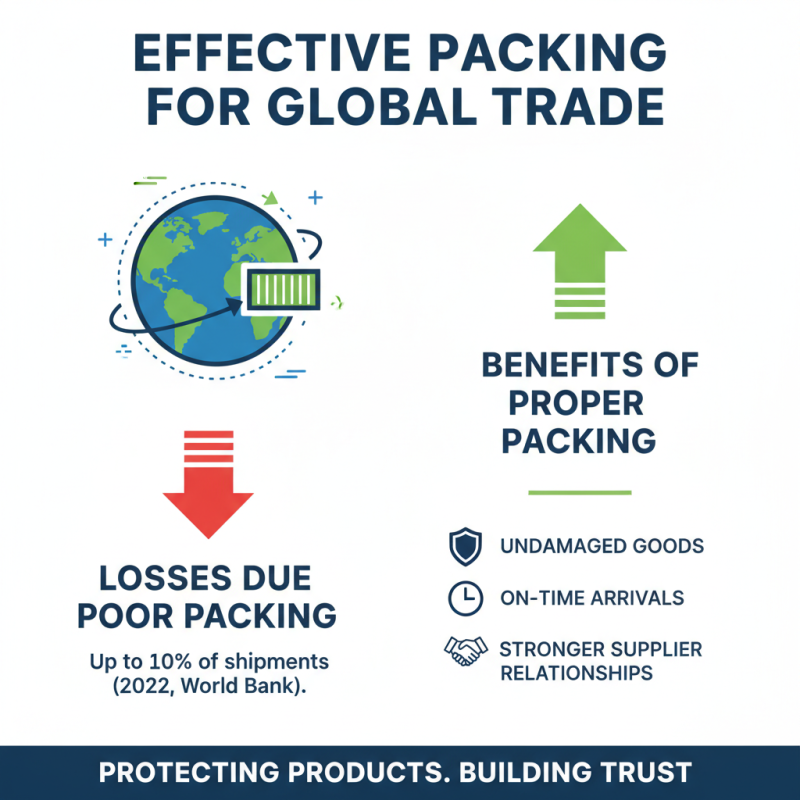
Effective packing for global trade is crucial. In 2022, the World Bank reported that poor packing led to losses of up to 10% in international shipments. This is a significant concern for global buyers who rely on the integrity of their products. Proper packing ensures items arrive undamaged and on time, which fosters stronger supplier relationships.
Choosing the right materials is essential. Shock-absorbing packaging can reduce damage during transit. In fact, research indicates that using protective materials decreases product return rates by 15%. Another tip is to optimize package size. Smaller packages can reduce shipping costs significantly, sometimes by up to 20%. This approach not only saves money but also minimizes environmental impact.
Global trade often faces delays due to customs and inspections. Inadequate packing can lead to complications. Adopting standardized packing methods can facilitate smoother transactions. Understanding your target markets’ regulations is key. A survey found that 30% of shipments are delayed due to packing non-compliance. Global buyers must prioritize effective packing to maintain competitiveness.
Identifying Suitable Packing Materials for Various Products
When selecting packing materials, global buyers must consider various factors. The right material protects products and ensures safe transport. For fragile items, materials like bubble wrap and foam padding are vital. They prevent breakage during shipping and handle rough handling. Using eco-friendly packing options can also enhance a brand's image.
Another tip is to assess the product's weight and shape. Heavier items may require sturdier boxes made of double-walled cardboard. Lightweight products can use simple paper padding. Remember, the goal is to minimize waste and maximize protection. The fit of the packing is crucial. Too much space can lead to shifting, while too little can cause damage.
Don't forget about custom packaging solutions. Tailored materials can improve efficiency and reduce costs. However, too much customization can lead to overpackaging, which is counterproductive. Finding the right balance is key. Buyers should periodically reassess their packing techniques. What worked last year may not be effective now. Continuous improvement ensures that packing strategies align with changing needs.
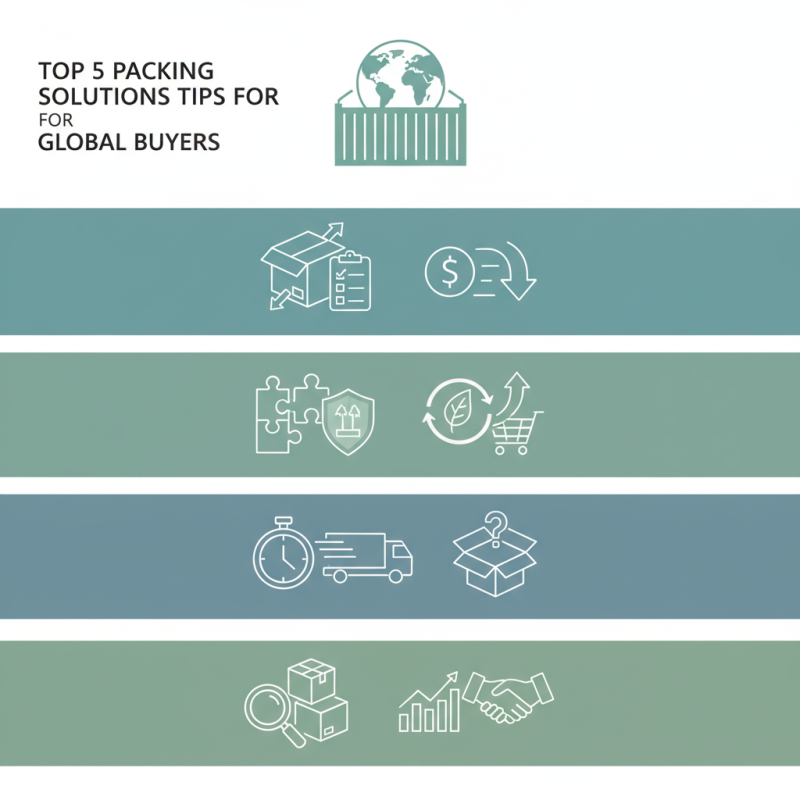
Top 5 Packing Solutions Tips for Global Buyers
| Product Type | Recommended Packing Material | Suitable Features | Environmental Impact |
|---|---|---|---|
| Electronics | Anti-static Bubble Wrap | Protects against static and physical damage | Recyclable options available |
| Fragile Items | Foam Inserts | Custom fit for perfect protection | Potential for biodegradable materials |
| Food Products | Plastic Vacuum Sealing | Preserves freshness and extends shelf life | Options for recyclable materials |
| Textiles | Recyclable Poly Bags | Lightweight and water-resistant | Easily recyclable in many regions |
| Heavy Machinery | Wooden Crates | Strong and capable of heavy loads | Can be reused and repurposed |
Adapting Packing Solutions to Different Shipping Methods
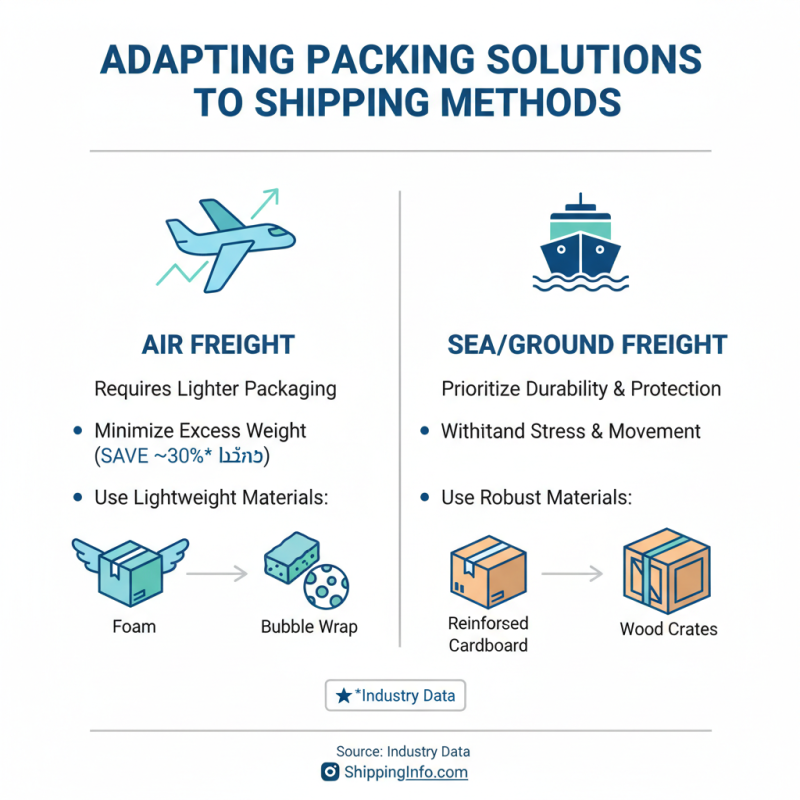
When considering shipping methods, it's crucial to adapt packing solutions accordingly. Different modes of transport have unique requirements that influence how goods are packaged. For instance, air freight demands lighter packaging to minimize costs. Industry data shows that approximately 30% of shipping costs derive from transporting excess weight. Therefore, using materials like lightweight foam and bubble wrap can help mitigate these expenses while ensuring product safety.
For sea shipments, moisture resistance is critical. According to the International Maritime Organization, around 10% of cargo is damaged during transit due to inadequate packaging. Packaging materials must withstand humidity and temperature fluctuations. Waterproof boxes and moisture-absorbing packets can be effective solutions. However, businesses often overlook the importance of proper sealing techniques, leading to failures in protection. Regular training on best practices in packing could enhance overall reliability.
When employing land transportation, it is imperative to consider handling and stacking. The World Bank reports that mishandling can cause substantial losses in the global supply chain, estimated at $2 trillion annually. Customizing the packaging to ensure sturdiness and easy stacking can alleviate these issues. Yet, many companies run into challenges due to inconsistent packaging methods, ultimately jeopardizing their shipments. Regular assessments of packing methods can uncover flaws and drive improvements in packing strategies.
Implementing Cost-Effective Packing Strategies for International Buyers
When it comes to international trade, packing plays a critical role. Implementing cost-effective packing strategies can significantly reduce expenses. Efficient packing methods not only ensure the safety of products but also minimize shipping costs. Buyers need to pay attention to various factors that influence packing decisions.
One important tip is to evaluate materials carefully. Lightweight and durable materials are often the best choices. Not only do they save on shipping costs, but they also offer protection during transit. Using biodegradable packing options may be a savvy choice. It enhances brand reputation while being eco-friendly.
Another suggestion is optimizing package dimensions. Avoid excessive space in shipping boxes. This helps save costs and reduces waste. Analyzing the product size and shape can lead to more efficient packing solutions.
Finally, consider consolidation of shipments. Grouping multiple orders can lead to lower freight costs. However, this requires careful planning. Balancing between waiting times and cost savings is crucial. In the end, a thoughtful approach to packing can yield significant benefits.
Ensuring Compliance with International Packing Regulations and Standards
When dealing with international shipping, compliance with packing regulations is critical. Different countries have unique standards that must be met. Global buyers must ensure that their packaging aligns with these rules to avoid delays or fines. Knowing the specific requirements of each destination can save time and money.
Tip: Research each market's regulations. This includes weight limits, labeling requirements, and material restrictions. Missing one detail can lead to significant logistical issues. It's wise to consult with a professional who understands the complexities of international standards.
Another aspect to consider is the environmental impact of your packaging. Many nations are now prioritizing sustainable practices. Using biodegradable materials can enhance your brand's reputation and prevent compliance headaches later. Evaluate your options thoroughly.
Tip: Always test your packaging. It should withstand the rigors of transportation. Conducting real-world trials can reveal weaknesses. Addressing these flaws early can save costs in the long run. Take the time to reassess your strategies regularly, as regulations often evolve.
Related Posts
-
Quality Packaging Trends to Watch in 2025 for Top Digital Products
-

2026 Top Packaging Services Trends in the Industry
-
2026 Top Packing Solutions for Efficient Shipping and Storage Needs?
-

What is the Best Packing Solutions for Your Shipping Needs?
-

What is the Best Packing Solutions for Your Business Needs?
-

10 Best Packing Solutions for Hassle-Free Shipping and Storage