Ultimate Print Inspection Tips for Flawless Results?
In the world of Print Inspection, excellence is non-negotiable. Experts emphasize precision to ensure every detail is perfect. According to Jane Thompson, a leading figure in print technology, “Quality control in print inspection is the backbone of successful production.” Her insight highlights the importance of meticulous attention to detail.
Despite technological advancements, flaws can still slip through the cracks. Many companies face challenges in maintaining high standards. An unexpected smudge can ruin an otherwise flawless print. Regular audits and staff training are crucial. Yet, even the best teams can overlook minor issues.
Continuous improvements are essential. Embracing feedback and learning from mistakes will lead to better results. The journey of Print Inspection is one of constant refinement. Let’s explore practical tips to elevate inspection processes. Each step brings us closer to flawless outcomes in the print industry.
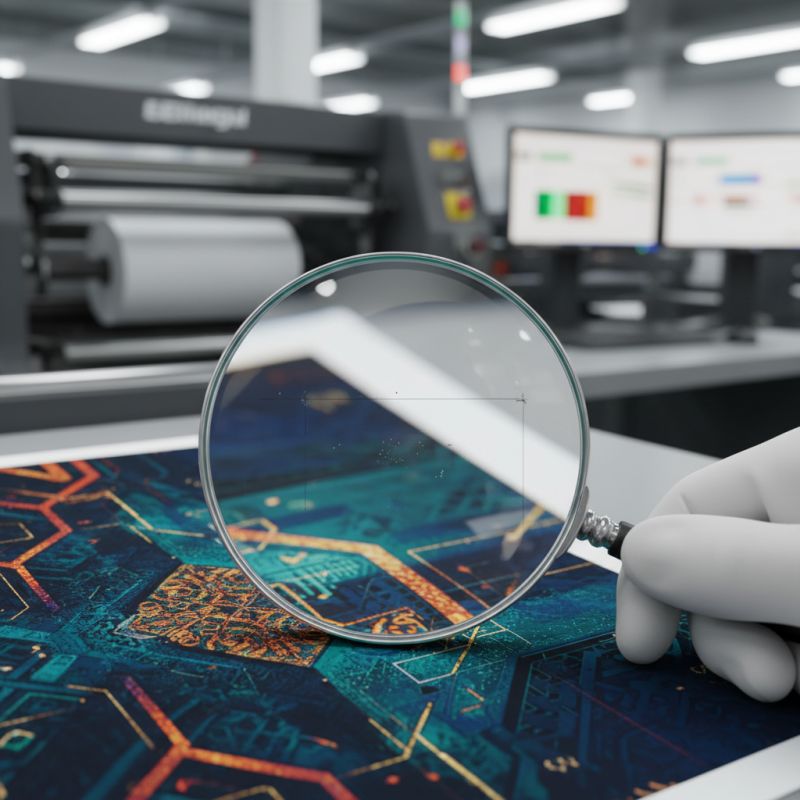
Measuring Print Quality: Key Metrics and Benchmark Standards
Measuring print quality is critical in any printing process. Several key metrics help manufacturers evaluate the results. Color accuracy is one of the most important metrics. It assesses how closely the printed colors match the original design. A small deviation can lead to dissatisfaction and reprints.
Another essential metric is resolution. High-resolution prints exhibit clarity and detail. Low resolution can result in blurred images or pixelation. It's a common issue that can undermine a project. Additionally, assessing print uniformity is vital. Variations across a print run may indicate problems with equipment or materials.
Benchmark standards can provide guidance. They establish expectations within the industry. Meeting these standards is challenging but necessary. However, even when striving for perfection, mistakes can occur. Regular inspections, testing, and adjustments are crucial in improving outcomes. Failing to analyze results can lead to recurring issues, impacting overall quality.
Ultimate Print Inspection Tips for Flawless Results
| Metric | Description | Benchmark Standards | Typical Values |
| Color Accuracy | The degree to which printed colors match the original design. | ∆E < 2 | 1.2 |
| Print Density | The amount of ink deposited on the substrate. | 1.4 - 1.8 M/m² | 1.5 |
| Registration | Alignment of colors and images in the print. | ±0.5 mm | ±0.3 mm |
| Dot Gain | The increase in the size of halftone dots during printing. | 10% - 20% | 15% |
| Surface Finish Quality | The smoothness and texture of the printed surface. | Gloss level 30-60 GE | 45 GE |
Identifying Common Print Defects: Causes and Solutions
Print defects can significantly impact product quality. According to a recent study by the Printing Industries of America, up to 30% of prints experience some form of defect. Common issues include color misalignment, ink smudging, and improper registration. Each of these defects can lead to wasted materials and time.
Color misalignment occurs when ink layers do not align correctly, leading to blurry images. This issue often arises from poor calibration of printing machines and can be addressed by regular maintenance checks. Ink smudging is frequently caused by drying issues or excessive ink application. Ensuring proper ink viscosity and temperature can mitigate this problem.
Improper registration can result from mechanical misalignments or operator errors. It affects the overall look and can ruin a print run. Implementing a robust quality control process is vital to identify these defects early. Regular training for operators can also help in recognizing and solving these issues promptly. Staying attuned to common defects ensures a smoother, more efficient printing process.
Utilizing Technology for Enhanced Print Inspection
In the world of print inspection, technology plays an essential role. Advanced tools can identify flaws faster than the human eye. For instance, automated cameras can scan prints for irregularities in real time. They capture images with high precision and analyze them using complex algorithms. This reduces the chances of missing even the smallest defects.
While technology enhances inspection, it isn't foolproof. Software may misinterpret certain patterns as flaws. Operators must remain vigilant to ensure accuracy. Regular calibration of equipment is vital to maintain quality. Additionally, human oversight is still necessary. A trained eye can catch errors that machines might overlook. Finding the right balance between technology and human inspection is key.
Implementing new tools requires training. Staff may feel overwhelmed by new systems. Resistance to change can hinder progress. Encouraging a collaborative approach can mitigate these issues. By fostering an environment of learning, everyone can contribute to achieving flawless prints. Embracing these challenges ultimately leads to better results.
Implementing a Consistent Quality Control Process
Implementing a consistent quality control process is essential for achieving flawless print results. A clear workflow helps in identifying issues before they escalate. Regular checks at different stages of production can reveal hidden flaws. This prevents costly reprints and damaged reputations.
One key tip is to establish visual standards for print inspection. Use color swatches and physical samples as references. This gives your team a concrete target. If prints don’t match these standards, address the differences promptly. Don't overlook minor discrepancies; they can accumulate over time.
Another effective strategy involves setting checkpoints during production. Have clear guidelines for reviewing prints. A dedicated quality control team can help spot issues early. They should be trained to approach every print with a critical eye. A fresh perspective often uncovers flaws that regular staff might miss. Consistent communication is crucial for maintaining quality standards throughout the process.
Evaluating the Impact of Print Inspection on Production Efficiency
In the world of print production, inspection plays a crucial role in maintaining quality. A recent report indicates that companies with stringent print inspection processes see a 30% reduction in defects. This significant decrease translates into better customer satisfaction and increased loyalty. However, many businesses still struggle to implement effective inspection methods.
One common challenge is integrating advanced inspection technologies into existing workflows. Research suggests that up to 25% of production time can be lost due to inefficient inspection practices. Manual checks often require excessive labor and can lead to human error. This potential for oversight means companies might miss critical defects that could affect their reputation.
Additionally, the costs associated with errors can be staggering. According to industry studies, incorrect print jobs can lead to financial losses of up to 15% of a project budget. To mitigate this risk, businesses must invest in reliable inspection systems that not only identify flaws but do so without slowing down production. Balancing efficiency and quality is key, yet many companies find themselves in a cycle of poor inspection practices that necessitate constant revisions.

