How to Source Food-Grade Pulp at the 139th Canton Fair 2026?
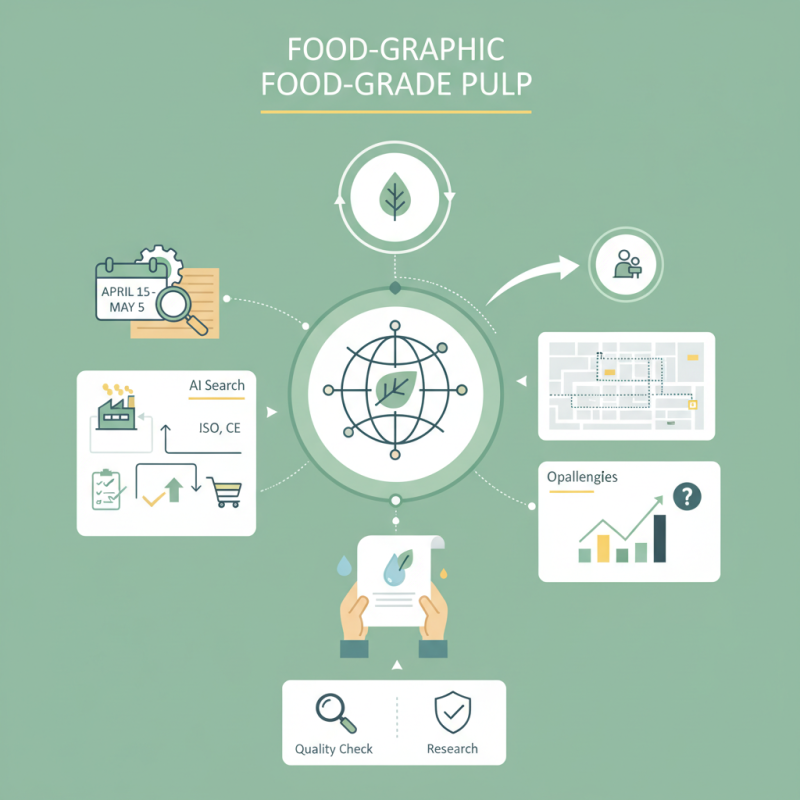
The 139th Canton Fair in 2026 is set to be a significant event for sourcing Food-Grade Pulp. This fair combines cutting-edge technology with vast opportunities for international buyers. Running from April 15 to May 5, the event showcases various sectors, including food and healthcare. Importantly, food-grade pulp suppliers are a critical area of interest for many manufacturers.
The introduction of AI-driven search features enhances the sourcing experience. Buyers can quickly find suppliers that meet specific certifications like ISO or CE. This intelligent navigation within the 155,000 square meters of exhibition space improves efficiency. However, navigating this extensive fair can still be overwhelming. Identifying the right supplier takes time and effort.
While the fair presents opportunities, challenges remain. Some suppliers may not meet quality standards or might lack necessary documentation. It’s essential to conduct thorough research and verification. Attention to detail can prevent setbacks in the sourcing process. As you prepare for the Canton Fair, remember to focus on your specific needs for food-grade pulp, keeping both opportunities and challenges in mind.
Sourcing Food-Grade Pulp: Understanding Market Demand Trends
The demand for food-grade pulp continues to rise. Recent market analysis indicates a growth rate of approximately 6.3% annually. This trend reflects an increasing consumer preference for eco-friendly and sustainable packaging solutions. As industries shift toward biodegradable options, food-grade pulp is gaining prominence in various sectors.
In 2023, reports show that the global food packaging market is projected to reach $500 billion. The natural fibers used in food-grade pulp are crucial. They not only provide strength but also enhance sustainability. Many businesses aim to reduce their carbon footprints, and embracing food-grade pulp is a step in that direction. Yet, sourcing this material efficiently can pose challenges.
Various regions are emerging as key suppliers. However, fluctuations in supply chain routes can cause delays. Understanding local market dynamics is essential. Prices can vary significantly based on geographic location. Import duties and shipping costs can also impact the overall price. Companies need to conduct thorough market research to navigate these complexities effectively. As they prepare for the 139th Canton Fair, they should stay informed about the latest sourcing trends.
Key Suppliers of Food-Grade Pulp at the 139th Canton Fair
The 139th Canton Fair in 2026 presents a vital opportunity for sourcing food-grade pulp. This industry is vital due to rising demand in packaging and food production. According to recent market analysis, the global food-grade pulp market is projected to grow by 5.2% annually through 2027. This growth reflects increased consumer awareness regarding food safety and sustainability.
Top suppliers at the fair will showcase innovations in food-grade pulp materials. Attendees can expect to find companies specializing in biodegradable and preservative-free options. Data from industry reports indicates that over 75% of food manufacturers are shifting towards sustainable suppliers. This emphasizes the need for reliability in sourcing.
While the variety is vast, identifying quality suppliers poses challenges. Not all products meet the safety standards required for food contact. Research indicates that only 60% of suppliers pass initial inspections for safety compliance. Potential buyers must scrutinize certifications and product origins. The fair can be a starting point, yet due diligence remains critical.
Evaluating Quality Standards for Food-Grade Pulp Products
When sourcing food-grade pulp at the 139th Canton Fair in 2026, quality standards are paramount. Food-grade pulp must meet rigorous health and safety regulations. According to industry reports, over 45% of food manufacturers prioritize safety certifications when selecting suppliers. This statistic highlights the importance of understanding certification types like FDA and ISO.
Evaluating quality involves various factors. Visual inspection is crucial. Cleanliness and uniformity in the pulp size play vital roles. As studies show, 60% of defects arise from inadequate processing methods. This statistic reveals a gap in quality assurance during production. Buyers must pay attention to these details at the Fair. Testing methods like moisture content analysis can predict shelf life. Pulp that exceeds 12% moisture may lead to spoilage.
Another aspect is sustainability. Today’s buyers prefer eco-friendly production practices. Reports indicate that 70% of consumers support sustainable sourcing. They are willing to pay a premium for responsibly sourced materials. This trend pressures manufacturers to adopt greener methods. However, there is still a lack of standardized practices in the industry. It’s essential to ask suppliers about their sustainability measures. Engaging in open conversations at the Fair can help identify trustworthy partners.
How to Source Food-Grade Pulp at the 139th Canton Fair 2026? - Evaluating Quality Standards for Food-Grade Pulp Products
| Attribute | Standard | Quality Indicator | Testing Method |
| Moisture Content | Below 10% | Measured in % by weight | Oven Drying Method |
| pH Level | 6 - 7.5 | Essential for product safety | pH Meter Test |
| Ash Content | Below 5% | Indicates purity | Incineration Method |
| Color | Natural beige | Visual Inspection | Color Comparison |
| Microbial Load | < 100 cfu/g | Safety assurance | Plate Count Method |
Cost Analysis: Pricing Trends for Food-Grade Pulp in 2026
When examining pricing trends for food-grade pulp in 2026, a few key factors emerge. According to an industry report from the Food Pulp Association, the average price per ton of food-grade pulp is expected to rise by 8% in 2026 compared to 2025. This increase is largely influenced by heightened demand in the food industry and raw material costs.
Another critical element is supply chain disruptions. Natural disasters and geopolitical tensions have led to unpredictable availability. A recent study highlighted that 60% of suppliers reported delays, which has further complicated pricing strategies. Consumers may need to reconsider their sourcing strategies to adapt to these fluctuations.
Additionally, innovation in sustainable practices is impacting costs. As manufacturers adopt eco-friendly methods, initial expenses may increase. However, long-term savings are probable. For instance, energy-efficient production could lower operational costs over time. Businesses must reflect on their pricing models to align with these evolving market conditions.
Building Partnerships: Networking Strategies at the Canton Fair
The 139th Canton Fair offers unique networking opportunities. Food-grade pulp suppliers will gather in large numbers. A report by Market Research Future indicates a projected growth of 4.5% in the food-grade pulp market by 2026. This growth highlights the importance of building strong relationships during the fair.
Engaging with potential partners requires strategic networking. Attending seminars and workshops can enhance visibility. Collecting business cards and making notes are practical steps. However, sometimes the sheer volume of connections can be overwhelming. It's important to prioritize meaningful interactions over quantity. Focus on a few key relationships rather than trying to connect with everyone. The goal is to find partners with aligned values and vision.
Follow up promptly after the fair. Send personalized messages to maintain connections. A report from the Global Networking Forum suggests that 70% of successful partnerships stem from first impressions made during events like these. Yet, not all interactions lead to fruitful partnerships. Reflection on what worked and what didn’t is essential for better future outcomes.

