Top 10 Stunning Packaging Design Trends You Need to Know in 2023
In the ever-evolving landscape of consumer products, packaging design has emerged as a pivotal element that influences purchasing decisions. According to a recent study by the Packaging Association, over 70% of consumers admit that the design of a product's packaging significantly affects their buying behavior. As brands strive to stand out in a saturated marketplace, innovative packaging design trends have become essential for captivating consumer attention and enhancing brand identity.
In 2023, creative packaging design trends reflect a shift towards sustainability, minimalism, and interactive experiences. Reports indicate that 66% of global consumers are willing to pay more for sustainable brands, highlighting the importance of eco-friendly materials and designs in contemporary packaging strategies. Moreover, brands are increasingly incorporating technology into their packaging, with 62% of marketing professionals emphasizing that interactive packaging enhances customer engagement and brand loyalty. As we delve into the top ten stunning packaging design trends, we will explore how these concepts not only cater to consumer preferences but also drive brand success in a competitive market.
Innovative Eco-Friendly Materials Transforming Packaging Design
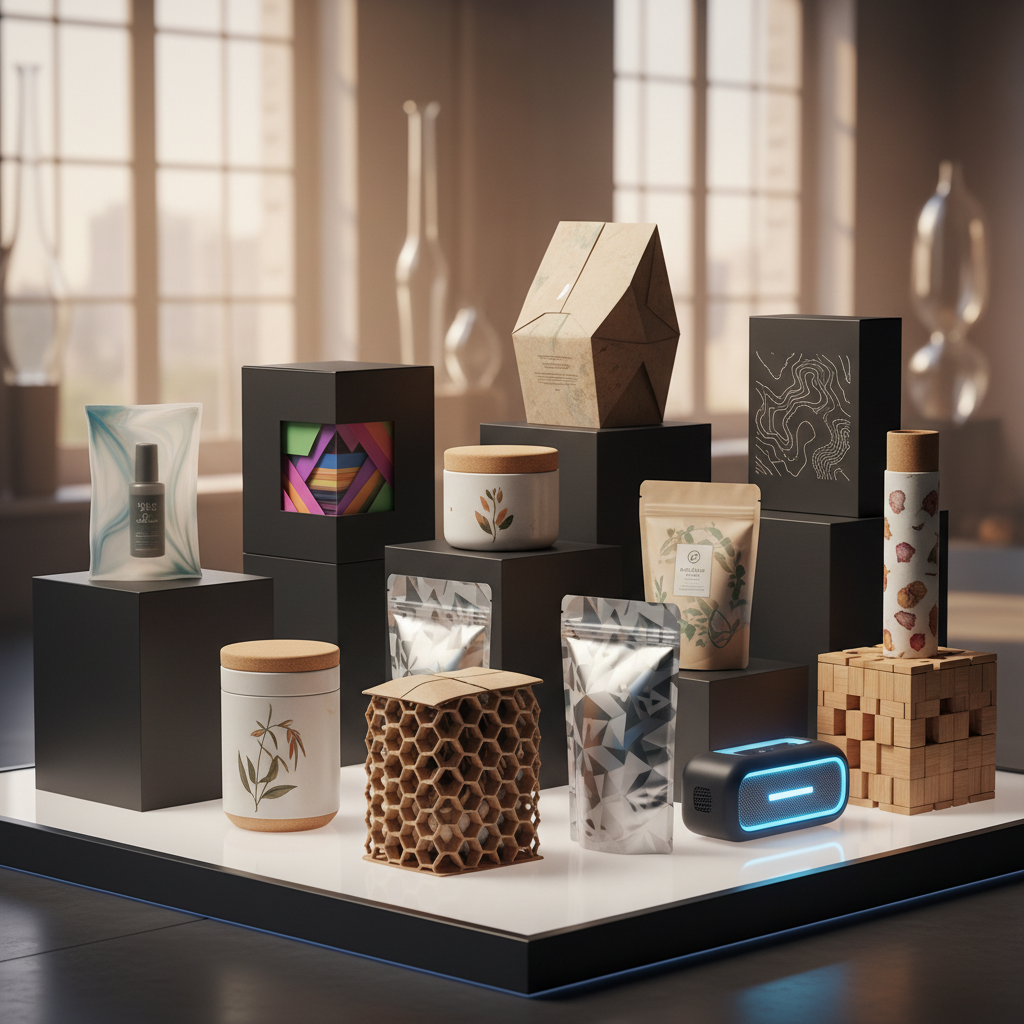
In 2023, innovative eco-friendly materials are at the forefront of transforming packaging design, making
sustainability a crucial aspect for brands seeking to engage environmentally-conscious consumers.
According to a report by Smithers Pira, the global market for sustainable packaging is expected to reach
$400 billion by 2027, reflecting a compound annual growth rate (CAGR) of
5.7%. This surge highlights the increasing demand for solutions that not only reduce
environmental impact but also enhance brand loyalty and consumer satisfaction.
One notable trend is the shift towards biodegradable and compostable materials, such as plant-based bioplastics and
recycled paper products. Brands like Coca-Cola and Unilever have already begun integrating these
materials into their packaging, showcasing a commitment to reducing plastic waste. Research from Nielsen reveals that
73% of global consumers are willing to change their
consumption habits to reduce their environmental impact, underscoring the critical need for brands to adopt
eco-friendly packaging strategies. As companies continue to innovate and invest
in sustainable materials, the packaging landscape in 2023 is not only stunning but also aligned with a greener future.
Bold Typography and Unique Lettering as a Visual Statement
In 2023, bold typography and unique lettering have emerged as dominant trends in packaging design, transforming the way brands communicate their identity.
Designers are increasingly leveraging large, eye-catching fonts that not only capture attention but also convey the essence of the product. The use of vibrant colors and unexpected font pairings creates an exhilarating visual experience, making the packaging stand out on the shelves. This approach shifts the focus from mere product description to a powerful visual statement, allowing brands to express their personality and values clearly.
Moreover, unique lettering styles, including hand-drawn or custom fonts, are gaining popularity as they infuse a sense of authenticity and craftsmanship into packaging. This trend resonates particularly with consumers who favor brands with a personal touch in a world saturated with mass production. By integrating distinct typography and artistic lettering, companies strive to forge a deeper connection with their audience, enhancing brand recognition and loyalty. As this trend continues to evolve, it will undoubtedly shape the future of packaging design, emphasizing creativity and individuality as key components of successful brand storytelling.
Interactive Packaging: Merging Functionality with User Engagement
In 2023, interactive packaging emerges as a game-changing trend, blending functionality with user engagement in a way that resonates deeply with consumers.
According to a recent study by Smithers Pira, nearly 70% of consumers express a preference for packaging that provides additional benefits, such as augmented reality experiences or QR codes that lead to further product insights.
This transformation in packaging design not only enhances customer interaction but also fosters brand loyalty by making the unboxing experience more memorable and informative.
Brands are increasingly tapping into technology to create interactive elements that can guide users through the product features or storytelling campaigns.
For instance, incorporating NFC tags allows consumers to access exclusive content, participate in contests, or even receive personalized recommendations.
As highlighted in the 2022 Packaging Trends Report from Euromonitor, 54% of consumers stated they are more likely to purchase products that offer a unique packaging experience.
Tips: To leverage interactive packaging effectively, brands should prioritize user-friendly technology that integrates seamlessly with the product.
Engage consumers by offering incentives for interaction, such as discounts or exclusive content.
Moreover, ensure that the design is visually appealing alongside its functional capabilities, making it a delight to engage with while standing out on the shelf.
Minimalism Meets Maximalism: Finding Balance in Aesthetic Choices

In 2023, the packaging design landscape is witnessing a captivating fusion of minimalism and maximalism, where brands are seeking to strike a balance between simplicity and expressiveness. Minimalism, characterized by clean lines and understated elegance, continues to resonate with consumers looking for clarity and sophistication.
According to a report by the Design Management Institute, brands that embrace minimalist packaging often see a 50% increase in brand loyalty, as consumers gravitate towards visually serene designs that reflect their lifestyles.
Conversely, maximalism is making a strong comeback, allowing brands to break free from conventional constraints. Rich colors, intricate patterns, and bold typography are becoming prevalent, appealing to the desire for individuality and self-expression. A study by Nielsen indicates that over 70% of millennials are drawn to unique and eye-catching packaging, establishing a significant opportunity for brands to differentiate themselves in a crowded market.
By harmonizing these two seemingly opposing aesthetics, designers can create packaging that not only attracts attention but also fosters a deeper connection with consumers, enhancing the overall brand experience. In this dynamic interplay, the future of packaging design lies in the thoughtful integration of both minimalism and maximalism.
Augmented Reality: Enhancing Customer Experience Through Technology
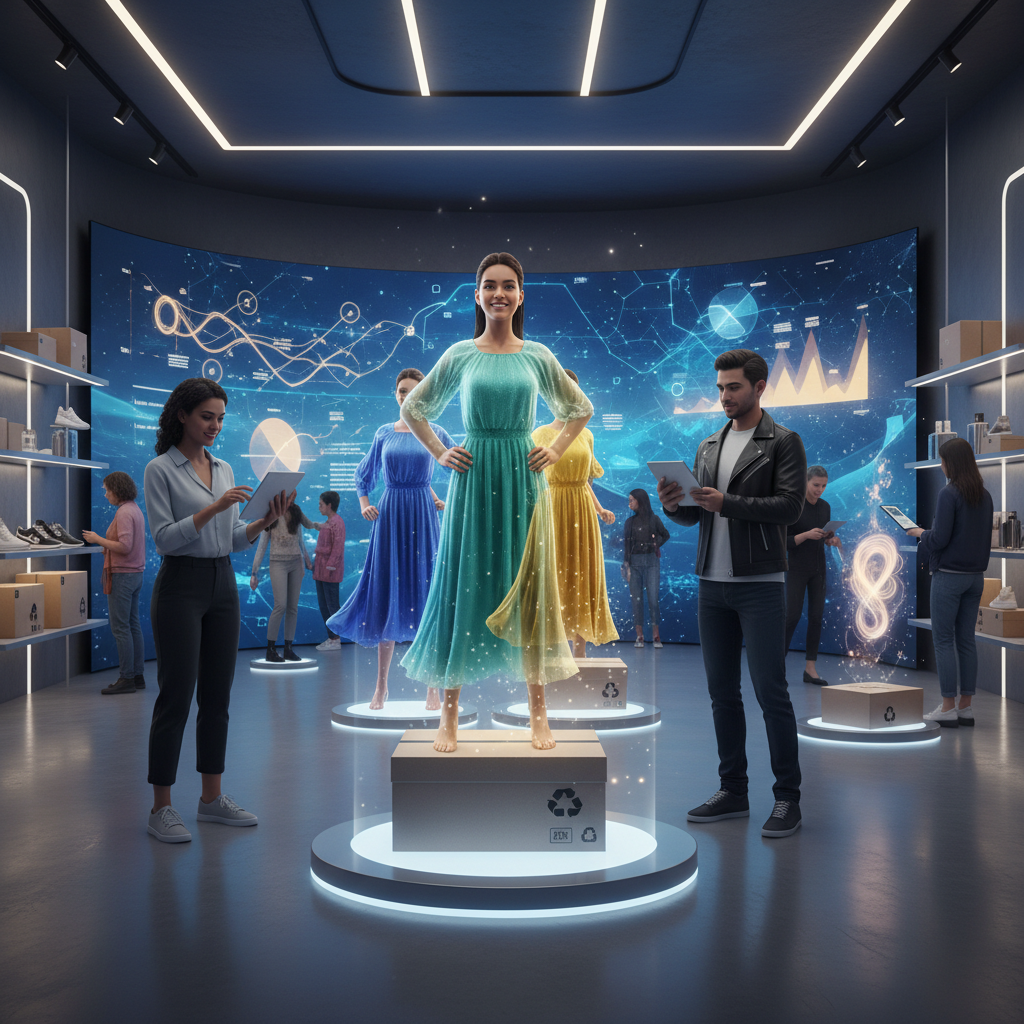
Augmented reality (AR) is revolutionizing customer experience across various industries, with a significant impact on packaging design. As the global XR market is projected to grow from
$253.5 billion in 2025 to an astounding
$1,625.48 billion by 2032, achieving a compound annual growth rate (CAGR) of
30.4%, businesses are increasingly adopting AR technologies. Retailers are leveraging AR through innovative applications, such as virtual fitting rooms, app-based body scanners, and 3D body data-supported sizing surveys, enhancing the consumer’s shopping journey while addressing fitting concerns often faced in apparel and accessories.
Furthermore, the user experience (UX) research software market is also on a trajectory of growth, expected to rise from
$427.3 million in 2024 to over
$1 billion by 2032, with a CAGR of
11.6%. AR's interactive dimension allows brands to create engaging content that can inform and excite customers about their products. For example, tools like
3D modeling enable users to visualize products in their environments, leading to informed purchasing decisions. As businesses increasingly integrate AR into their strategies, customer interactions are becoming more immersive, ultimately driving sales and brand loyalty.