10 Tips for Achieving Quality Packaging That Stands Out
In today’s competitive market, achieving quality packaging is crucial for brands seeking to stand out. Unique packaging not only captures attention but also communicates your brand’s values. It should tell a story that resonates with customers.
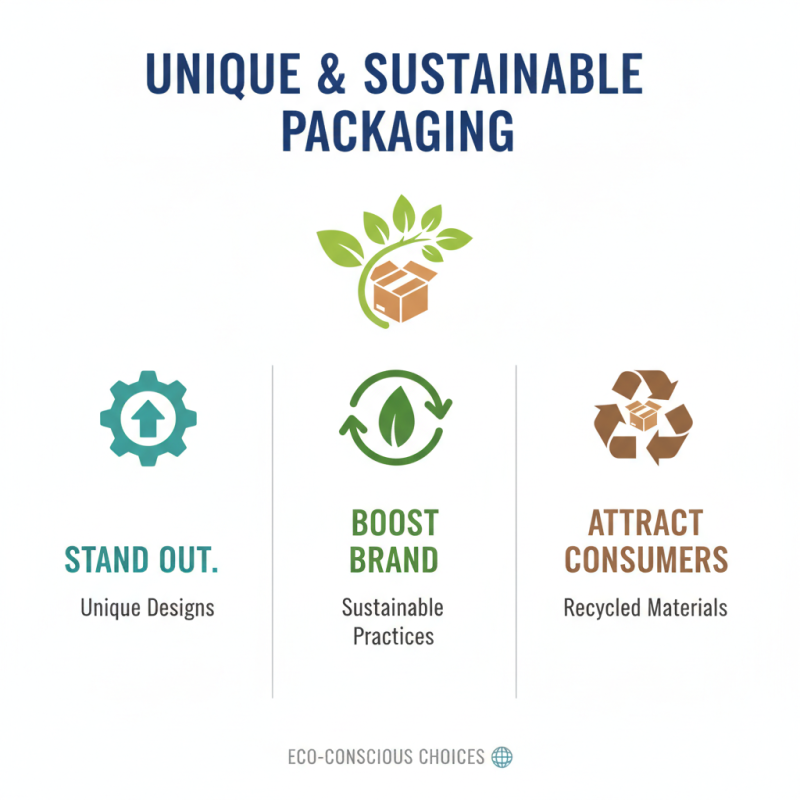
Consider the materials you use. Using eco-friendly options can enhance your brand's image. However, finding the right balance between cost and sustainability can be challenging. Additionally, the design should reflect your brand’s identity. Bold colors and creative shapes can attract buyers, but this approach may not work for every product.
Quality packaging often requires careful planning and reflection. Evaluate how your packaging performs in real-world scenarios. Are there flaws in the design? Is it functional? By addressing these questions, you can refine your approach and ensure your packaging elevates your product’s appeal.
Understanding the Importance of Quality Packaging in Branding
In today's market, quality packaging plays a crucial role in branding. It's not just about protecting the product; it’s about the first impression. Many consumers judge a product by its packaging. A well-designed package can attract attention and create desire. However, brands often overlook this aspect. They focus too much on product features, neglecting the visual appeal.
Quality packaging reflects the brand’s values. It tells a story and resonates with the target audience. For example, eco-friendly materials may attract environmentally-conscious consumers. But, not every brand gets this right. Some use flashy designs that confuse rather than clarify. Instead of enhancing the product, they create a distance between the brand and the consumer.
One key aspect is consistency. Packaging should align with the overall brand identity. Inconsistent messages can lead to confusion. Brands need to evaluate their packaging regularly. Gathering feedback can reveal whether the packaging resonates with consumers. In the quest for standout packaging, brands must balance creativity with clarity. Otherwise, they risk losing their connection to the audience.
10 Tips for Achieving Quality Packaging That Stands Out
| Tip Number |
Packaging Aspect |
Description |
| 1 |
Material |
Choose eco-friendly materials to enhance brand image. |
| 2 |
Design |
Create eye-catching designs to attract consumers. |
| 3 |
Functionality |
Ensure packaging is easy to use and protects the product. |
| 4 |
Branding |
Use brand colors and logos to increase recognition. |
| 5 |
Sustainability |
Highlight sustainable practices to appeal to eco-conscious consumers. |
| 6 |
Innovation |
Incorporate new technologies for a unique unboxing experience. |
| 7 |
Information |
Provide clear product information and usage instructions. |
| 8 |
Size |
Optimize size to minimize waste and shipping costs. |
| 9 |
Visual Appeal |
Use high-quality graphics and typography for aesthetic value. |
| 10 |
Cost-Effectiveness |
Balance quality and cost to ensure profitability. |
Key Elements to Consider When Designing Standout Packaging
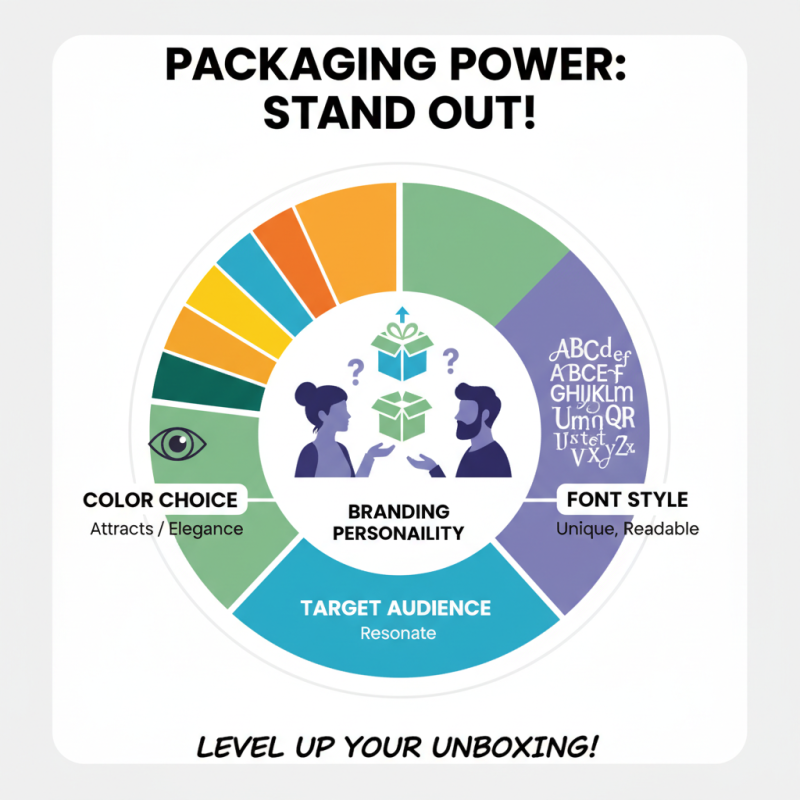
When designing standout packaging, several key elements are essential. Color choice can significantly influence perception. Bright, bold colors attract attention, while muted tones often convey elegance. Think about your target audience. Colors should resonate with them. Also, consider the font style. A unique, readable font can make a huge difference. It can enhance brand recognition and convey your product's personality.
Texture is another important factor. A tactile experience can make packaging memorable. Soft-touch finishes or embossed designs invite customers to pick up your product. However, too much texture can confuse the design. Balance is necessary. Environmental impact is increasingly relevant in design. Sustainable materials can appeal to eco-conscious consumers. Yet, achieving a balance between aesthetics and sustainability can be challenging.
Imagery and graphics are crucial for visual storytelling. High-quality images can evoke emotion. They can complement the text and attract buyers. However, overcrowding the design can dilute the message. Simplicity often leads to sophistication. Reflecting on these elements is vital. What works today may not resonate tomorrow. An iterative design process can help in refining the choices. Consider feedback but trust your instincts.
Innovative Materials and Techniques for Eye-Catching Packaging
When it comes to packaging, innovative materials can make a significant difference. Eco-friendly options are becoming more popular. According to a recent report by MarketsandMarkets, the sustainable packaging market is projected to reach $500 billion by 2027. This surge highlights a growing consumer preference for biodegradable and recyclable materials. Brands are now experimenting with materials like mushroom packaging and seaweed-based films. These options not only reduce waste but also create a unique brand identity.
Incorporating technology can elevate packaging design. Smart packaging, equipped with QR codes or NFC tags, engages customers directly. A study by Smithers Pira notes that 70% of consumers appreciate added digital interaction. However, not all brands are successfully integrating this tech. Some designs become overly complicated, confusing customers instead of attracting them. Balancing aesthetics and functionality is crucial. Packaging should deliver a clear message without overwhelming the audience.
The visual appeal of packaging can drive purchasing decisions. Vibrant colors and unique shapes can catch the eye in crowded aisles. According to research from Nielsen, around 60% of consumers make choices based solely on packaging. Yet, many brands fall short. They might invest heavily in design but overlook durability or practicality. Ideal packaging should stand out while being robust enough for transportation.
Balancing Functionality and Aesthetics in Packaging Design
In packaging design, balancing functionality and aesthetics is crucial. A package must protect its contents while captivating consumers. Think about the materials used. Sustainable options can appeal to eco-conscious buyers. However, these materials may not always offer the durability needed for shipping. Striking a balance between these aspects is essential.
Color and design impact consumer perception. Bright colors can attract attention, but they may not always align with the brand message. Consider using a simple design that resonates with the target audience. Sometimes, simpler packaging stands out more on shelves crowded with flashy designs. Yet, simplicity can risk being overlooked if it is not executed well.
Texture adds another dimension to packaging. A unique feel can enhance customer interaction. However, too many textures can overwhelm consumers. It is a challenge to find the right mix. Packaging should tell a story while remaining functional. This requires careful thought and often, trial and error. Reflection on past designs can yield valuable insights for future projects.
Quality Packaging Design: Balancing Functionality and Aesthetics