Top 10 Trends Transforming the Packaging Business You Need to Know
In recent years, the packaging business has undergone significant transformations, driven by advancements in technology, shifts in consumer preferences, and growing environmental consciousness. Understanding these trends is essential for companies aiming to remain competitive in a rapidly evolving market. As the demand for sustainability, efficiency, and innovation grows, businesses are compelled to adapt and leverage new strategies that respond to these changing dynamics.
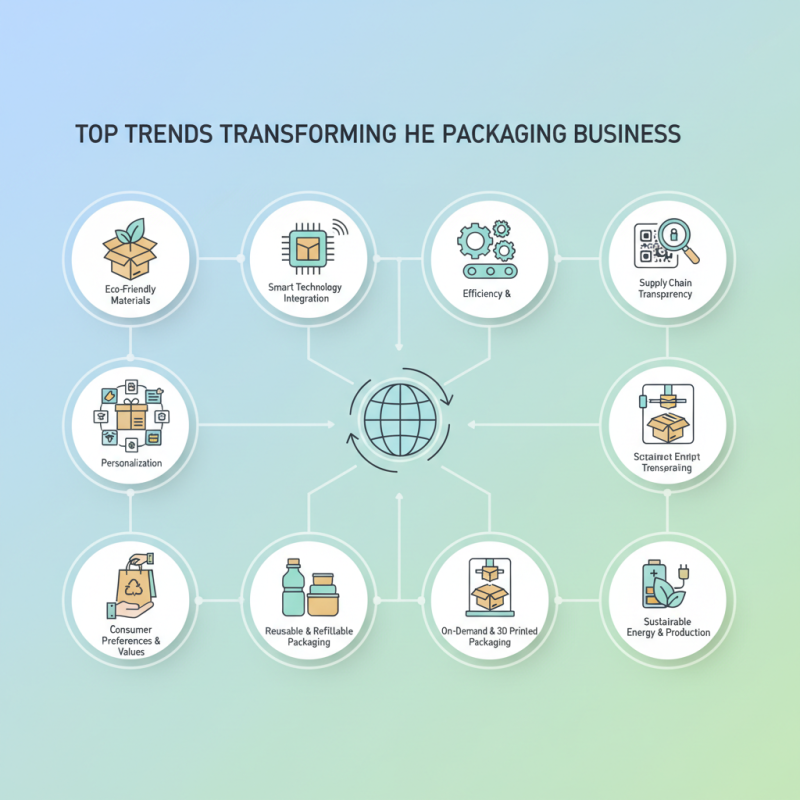
Among the top trends reshaping the packaging business are the rise of eco-friendly materials, the integration of smart technology, and the increasing importance of personalization. These developments not only enhance product appeal but also align with consumer values, which increasingly prioritize sustainability and transparency. As businesses navigate this shifting landscape, staying informed about these trends can provide valuable insights and opportunities for growth. Embracing these changes will not only enhance brand loyalty but also contribute positively to the broader global effort towards sustainable consumption.
Trends in Sustainable Packaging: Shifts in Consumer Preferences
In recent years, consumer preferences have shifted dramatically towards sustainable packaging solutions. As more people become conscious of environmental issues, the demand for eco-friendly materials has risen. Consumers are increasingly seeking products that not only meet their functional needs but also align with their values, emphasizing a preference for biodegradable, recyclable, and reusable options. This trend reflects a broader cultural shift towards sustainability and responsibility in various aspects of life, including packaging.
Tip: Businesses aiming to adapt to these changing preferences should consider investing in sustainable materials and processes. Exploring innovative packaging designs that minimize waste and utilize renewable resources can appeal to eco-conscious consumers. Simple changes, such as using compostable packaging or optimizing package size to reduce excess material, can significantly enhance a brand's appeal.
Moreover, transparent communication about sustainability efforts is essential. Consumers want to know where their products come from and how they impact the environment. Brands that openly share their sustainable practices and efforts to reduce carbon footprints can build trust and loyalty among their customer base. Engaging consumers through initiatives, such as recycling programs or educational campaigns about sustainable practices, can strengthen this bond while fostering a community focused on positive change.
Impact of E-commerce on Packaging Design and Material Choices
The rise of e-commerce has significantly reshaped the packaging industry, driving a shift in design and material choices to meet the demands of both businesses and consumers. According to a recent report by Smithers Pira, e-commerce packaging is projected to surpass $130 billion by 2025, indicating a growing market that requires innovation in packaging solutions. As online shopping becomes increasingly prevalent, consumers expect packaging that not only protects products during transit but also enhances the unboxing experience, encouraging brands to rethink their designs.
Furthermore, sustainability has become a crucial factor in packaging decisions, especially in the context of e-commerce. A survey conducted by McKinsey revealed that 60-70% of consumers prefer eco-friendly packaging options, leading companies to explore biodegradable and recyclable materials. The increased focus on sustainability is driving innovation, with reports suggesting that the market for sustainable packaging is expected to grow at a compound annual growth rate (CAGR) of over 7% through 2027. Businesses are now faced with the challenge of balancing durability, cost-effectiveness, and environmental responsibility while catering to the e-commerce boom. This shift not only reflects changing consumer preferences but also underscores the urgency for the packaging industry to adapt in a rapidly evolving market.
Rise of Smart Packaging: Technology-Driven Innovations in the Sector
The rise of smart packaging is revolutionizing the packaging industry, driven by rapid advancements in technology. According to a report from Research and Markets, the global smart packaging market is projected to reach USD 45.5 billion by 2027, growing at a CAGR of approximately 8% from 2020. This growth is fuelled by innovations such as QR codes, Near Field Communication (NFC), and Radio Frequency Identification (RFID), which enhance consumer engagement and streamline supply chain management.
These technologies allow for real-time tracking of products, providing both manufacturers and consumers with valuable data regarding product authenticity and expiration.
Moreover, smart packaging solutions offer sustainability benefits by reducing waste and improving recyclability. A study by Smithers Pira highlights that intelligent packaging can lead to a 30% reduction in food spoilage, which not only decreases losses for retailers but also reduces the environmental impact of wasted products. As consumers become increasingly conscious of their choices, smart packaging plays a pivotal role in providing transparency regarding a product's lifecycle, thus fostering a deeper connection between brands and their customers. The integration of technology into packaging is not merely a trend; it represents a fundamental shift in how products are marketed, tracked, and consumed in a rapidly evolving market landscape.
Regulatory Impacts: How Policies Shape Packaging Practices Globally
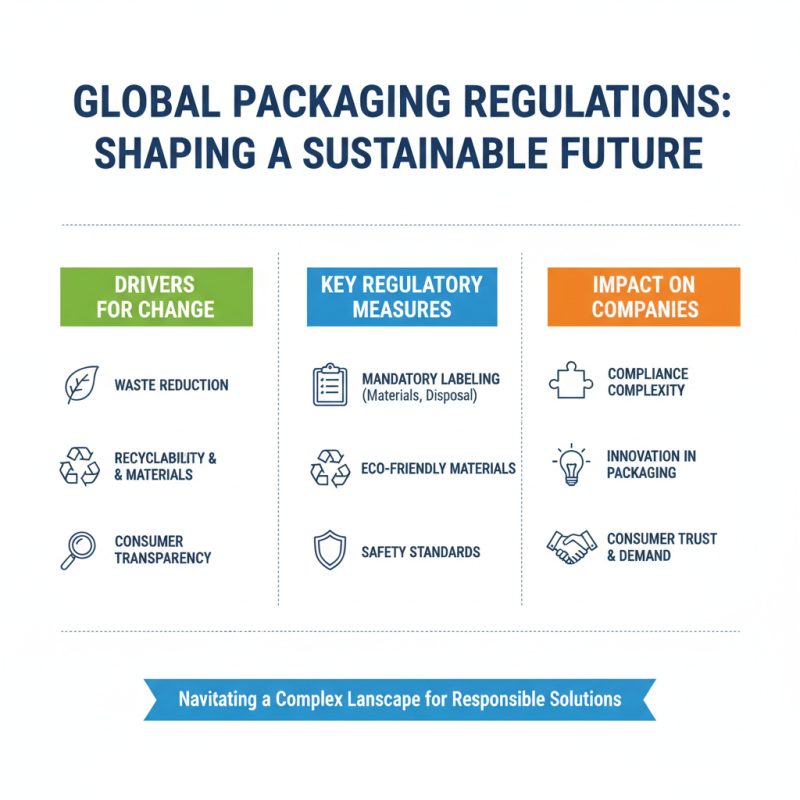
Regulatory frameworks are increasingly influencing packaging practices worldwide, shaping how companies approach sustainability, safety, and consumer transparency. Governments are enacting policies aimed at reducing waste, promoting recyclability, and encouraging the use of environmentally friendly materials. These regulations often include mandates for labeling, requiring detailed information about materials used and end-of-life options. As a result, companies must navigate a complex landscape of compliance while striving to meet consumer expectations for more responsible packaging solutions.
Furthermore, international agreements and regional regulations push businesses to adopt innovative practices that align with environmental goals. For instance, the adoption of circular economy principles has gained traction, urging manufacturers to rethink product design and lifecycle management. This shift not only ensures compliance with regulations but also fosters brand loyalty among consumers who prioritize sustainability. As companies adapt to these evolving standards, they also recognize the economic advantage of eco-conscious packaging, driving greater investment in research and development for sustainable materials and designs.
The Role of Circular Economy in Redesigning Packaging Systems
The circular economy is fundamentally reshaping packaging systems by promoting sustainability and reducing waste. Unlike the traditional linear model of "take, make, dispose," the circular economy encourages companies to rethink their design processes, focusing on how materials can be reused, repaired, and recycled. This shift not only minimizes environmental impact but also opens up new avenues for innovation in packaging development. By integrating sustainable materials and designs, businesses can create packaging that maintains its value throughout its lifecycle, ultimately reaching zero waste goals.
One major trend within the context of the circular economy is the use of biodegradable and compostable materials, which are becoming more prevalent in packaging solutions. These materials are designed to break down naturally, thereby reducing the accumulation of plastic waste in landfills and oceans. Additionally, companies are increasingly adopting refillable packaging systems, allowing consumers to return and refill their containers, which further supports sustainable consumption patterns. This transformation in the packaging sector not only benefits the environment but also enhances the brand image of companies that prioritize sustainability, catering to a consumer base that is increasingly conscious of ecological impacts.
Top 10 Trends Transforming the Packaging Business You Need to Know - The Role of Circular Economy in Redesigning Packaging Systems
| Trend |
Description |
Impact on Environment |
Adoption Rate (%) |
| Biodegradable Materials |
Use of materials that break down naturally. |
Reduces landfill waste and pollution. |
45 |
| Minimalist Packaging |
Reduction in excess packaging materials. |
Lowers carbon footprint and resource use. |
55 |
| Refillable Packaging |
Encouraging customers to refill instead of repurchase. |
Reduces single-use waste significantly. |
30 |
| Smart Packaging |
Incorporation of technology to enhance user experience. |
Promotes recycling through better tracking. |
25 |
| Localized Production |
Manufacturing packaging closer to the point of sale. |
Reduces transportation emissions. |
20 |
| Upcycled Materials |
Use of surplus materials in new packaging designs. |
Minimizes waste by reusing materials. |
35 |
| Digital Printing |
On-demand printing technology for customization. |
Reduces the need for excess inventory. |
40 |
| Increased Recycling Initiatives |
Programs aimed at enhancing recycling practices. |
Improves overall recycling rates and reduces waste. |
50 |
| Consumer Engagement |
Brands involving consumers in sustainable practices. |
Fosters a culture of environmental responsibility. |
60 |
| Sustainable Logistics |
Optimization of supply chain for minimal environmental impact. |
Lessens carbon footprint in logistics operations. |
30 |