Top Trends in the Packaging Business for 2024 to Boost Your Profits
The packaging business is evolving rapidly. Companies must adapt to stay competitive. With 2024 approaching, new trends are emerging. These trends promise to enhance profits and streamline operations. Sustainable packaging is gaining traction. Consumers prefer eco-friendly options. Businesses must respond to this demand.
The rise of technology in packaging is another key focus. Automation and smart packaging solutions improve efficiency. However, not every business embraces these changes. Some struggle with transition costs and training. It’s essential to evaluate the potential benefits versus challenges.
In an increasingly crowded market, differentiation is vital. Unique packaging designs can attract customers. But balancing creativity and functionality is crucial. Companies should remain open to innovative ideas that may initially seem daunting. As we look ahead, reflecting on past practices can lead to better strategies. The packaging business holds great potential for those willing to adapt and rethink their approach.

Emerging Sustainable Packaging Materials Driving Market Change in 2024
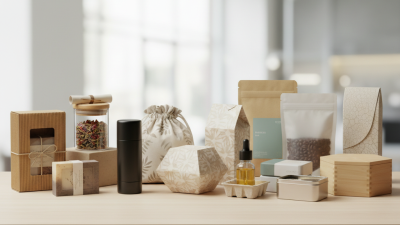
Sustainable packaging materials are transforming the industry in 2024. Companies are now more focused on eco-friendly solutions. Many are opting for biodegradable plastics and plant-based materials. These choices not only help the environment but also appeal to eco-conscious consumers.
Recyclability is becoming essential. More brands are looking to reduce their carbon footprints. Innovations like reusable packaging systems are gaining traction. However, some challenges remain. Not all regions have proper recycling facilities. This can hinder the effectiveness of these sustainable options.
Emerging trends show a shift towards minimalism in packaging design. Simple, clean designs reduce waste. They also help brands convey their sustainability messages clearly. Yet, some companies struggle to balance aesthetics with functionality. This is an area that requires careful consideration and adaptation.
Innovative Design Strategies Enhancing Brand Identity in Products
In 2024, innovative design strategies in packaging continue to reshape brand identity. Research shows that aesthetic appeal influences 93% of consumer buying decisions. A well-designed package can stand out on crowded shelves. However, achieving this unique design is not always straightforward. Many brands struggle with balancing creativity and functionality.
Sustainable packaging is a rising trend. In a recent survey, 72% of consumers expressed a preference for eco-friendly materials. Brands need to reconsider their materials and designs to meet this demand. Yet, many companies hesitate, fearing increased costs or complexity in design. Navigating this terrain requires thoughtful reflection on consumer values and brand messaging.
Color psychology plays a crucial role in attracting consumers. Bright colors can evoke excitement, while muted tones suggest sophistication. Research indicates that color increases brand recognition by up to 80%. However, selecting the right color palette is complex. Brands must avoid common clichés while connecting emotionally with their audience. This process often leads to trial and error, where the right choice isn't always clear.
Top Trends in the Packaging Business for 2024 to Boost Your Profits - Innovative Design Strategies Enhancing Brand Identity in Products
| Trend |
Description |
Impact on Profit |
Implementation Ease |
| Sustainable Materials |
Using biodegradable and recyclable materials for product packaging. |
High potential for profit increase through eco-conscious consumer appeal. |
Moderate |
| Smart Packaging |
Integration of QR codes and NFC technology for enhanced customer interaction. |
Potential for significant profit increase through improved engagement. |
High |
| Minimalist Design |
Focus on simplicity to convey brand identity clearly. |
Can enhance profit margins by appealing to modern aesthetics. |
Easy |
| Personalized Packaging |
Tailoring packaging to individual customer preferences. |
High potential for profit from improved customer loyalty. |
Moderate |
| Augmented Reality Experiences |
Innovative use of AR to enhance product storytelling. |
Significant profit potential through unique customer experiences. |
Challenging |
Impact of Smart Packaging Technologies on Consumer Engagement
Smart packaging technologies are transforming the way brands interact with consumers. In 2024, these innovations will reshape packaging strategies. According to a recent report by MarketsandMarkets, the smart packaging market is projected to reach $40 billion by 2027, growing at a CAGR of 8.8%. This data highlights a significant shift towards more engaging packaging solutions.
Interactive labels and QR codes are becoming commonplace. They allow consumers to access product information quickly. This engagement can enhance user experience. However, not all brands are utilizing these options effectively. Some consumers still find traditional packaging more reliable. Brands need to ensure smart features add real value, not just novelty.
Another aspect worth exploring is eco-friendliness. Sustainable smart packaging has gained traction. A study indicates that 72% of consumers are willing to pay more for sustainable products. Combining eco-friendly materials with smart technology could be a game-changer. Still, brands must address challenges in production and scalability. Balancing innovation with sustainability is an ongoing struggle for many.
Smart Packaging Technologies Impacting Consumer Engagement in 2024
Regulatory Changes Shaping the Future of Packaging Industry Practices
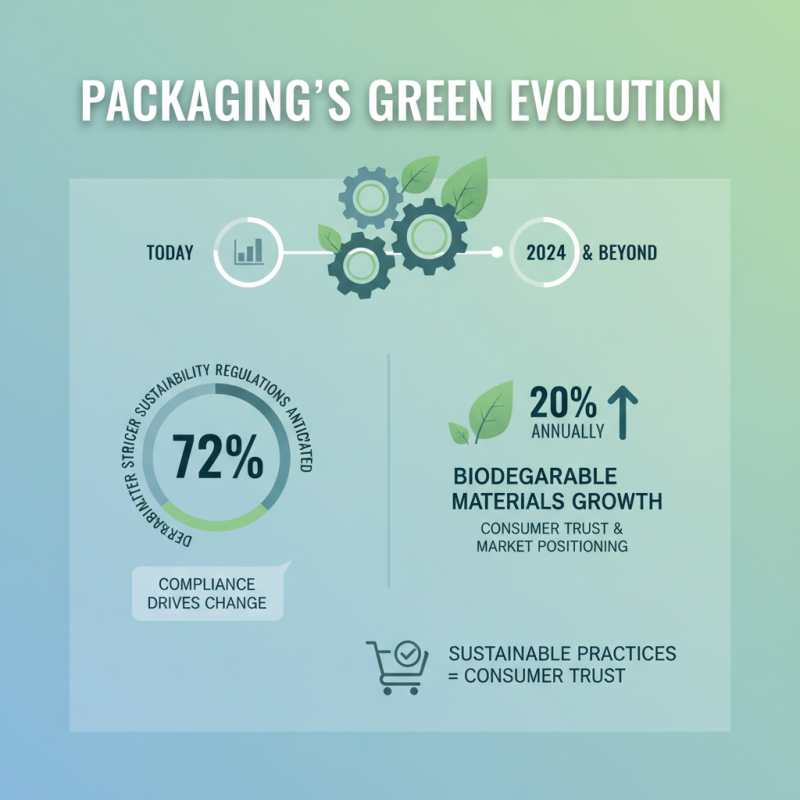
Regulatory changes are significantly shaping the future of the packaging industry. Recent reports indicate that 72% of companies anticipate stricter sustainability regulations by 2024. This trend is not only about compliance; it’s also about market positioning. Brands that integrate sustainable practices are likely to gain consumer trust. For instance, biodegradable materials are projected to grow by 20% annually.
The impact is evident in several regions. In the European market, new packaging laws focus on recyclability. By 2025, 100% of plastic packaging should be recyclable. Companies may find this challenging. Transitioning to new materials can be costly and complex. It requires investment and research, which doesn't guarantee immediate return on investment. Balancing these costs with the demand for eco-friendly options is tricky.
Additionally, consumer preferences are evolving. Studies show that 63% of buyers prefer brands that prioritize sustainable packaging. However, not all brands are ready to adapt quickly. The risk of falling behind is real. To remain competitive, businesses need to align their strategies with these regulatory changes. Ignoring them might lead to lost market share and reduced profitability. The future demands innovation and flexibility.