How to Utilize Innovative Packaging for Sustainable Business Growth?
In today’s competitive landscape, businesses seek ways to stand out. Innovative packaging has emerged as a key strategy for achieving sustainable growth. According to a recent report by Smithers Pira, the global sustainable packaging market is projected to reach $500 billion by 2024. This shift shows that consumers increasingly favor brands that prioritize eco-friendly practices.
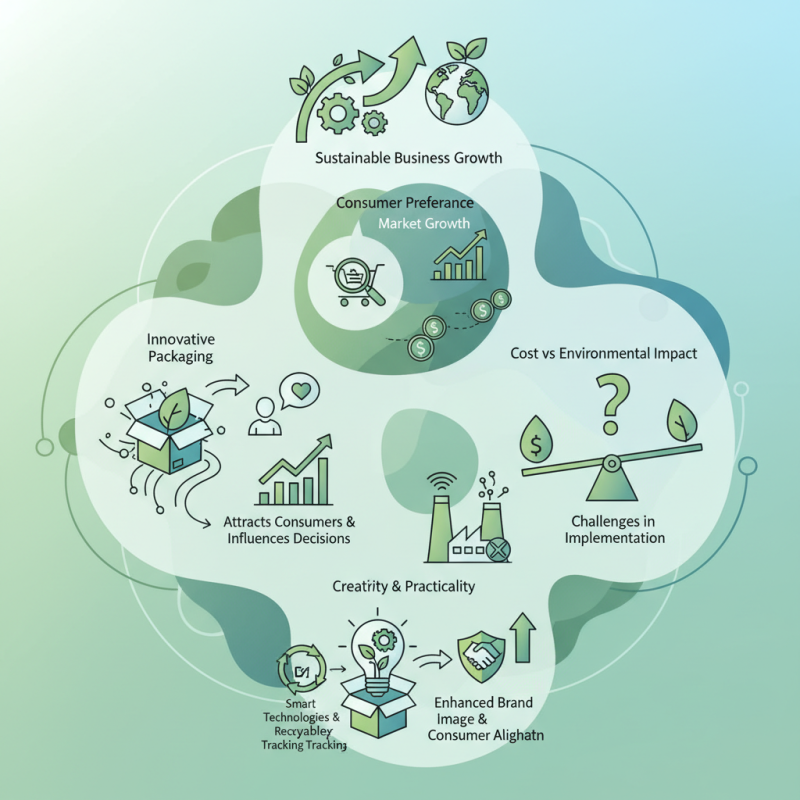
Innovative packaging not only attracts consumers but also influences their purchasing decisions. A study by McKinsey revealed that 60% of consumers are willing to pay more for products with sustainable packaging. Yet, many companies still struggle to implement effective solutions. The challenge lies in balancing cost and environmental impact. For instance, biodegradable materials can be more expensive, leading to concerns over profit margins.
As businesses navigate this trend, they must focus on creativity and practicality. Innovative packaging must not only appeal visually but also serve functional purposes. Some brands have successfully integrated smart technologies, enabling recyclability tracking. However, others face difficulties in finding the right materials or designs. This calls for deep reflection on how innovation can enhance not just brand image but also align with growing consumer expectations.
Understanding Innovative Packaging and Its Importance for Sustainability
Innovative packaging plays a crucial role in enhancing sustainability. It can significantly reduce waste and energy usage throughout the product lifecycle. According to a recent study, companies that adopt eco-friendly packaging can reduce their carbon footprint by up to 30%. Consumers are more aware of environmental issues. Research indicates that 70% of consumers prefer products with sustainable packaging. This trend influences buying decisions.
Sustainable packaging goes beyond just material choice. It includes design efficiency and recycling capabilities. For example, using biodegradable materials reduces landfill waste. However, many companies still struggle to find effective solutions. It's not just about being trendy; it's a necessary shift. Many brands face criticism for superficial sustainable claims. The challenge remains in balancing cost and environmental impact. Continuous improvement is essential in this evolving market.
The right packaging can enhance product appeal and brand loyalty. Innovative designs attract consumers’ attention and communicate a commitment to sustainability. Yet, some companies overlook the importance of transparency. Clear labeling and responsible sourcing are vital in fostering trust. A recent report showed that 55% of consumers are unsure about the sustainability of the products they purchase. Businesses must focus on creating genuine and effective strategies.
Exploring Different Types of Eco-friendly Packaging Solutions
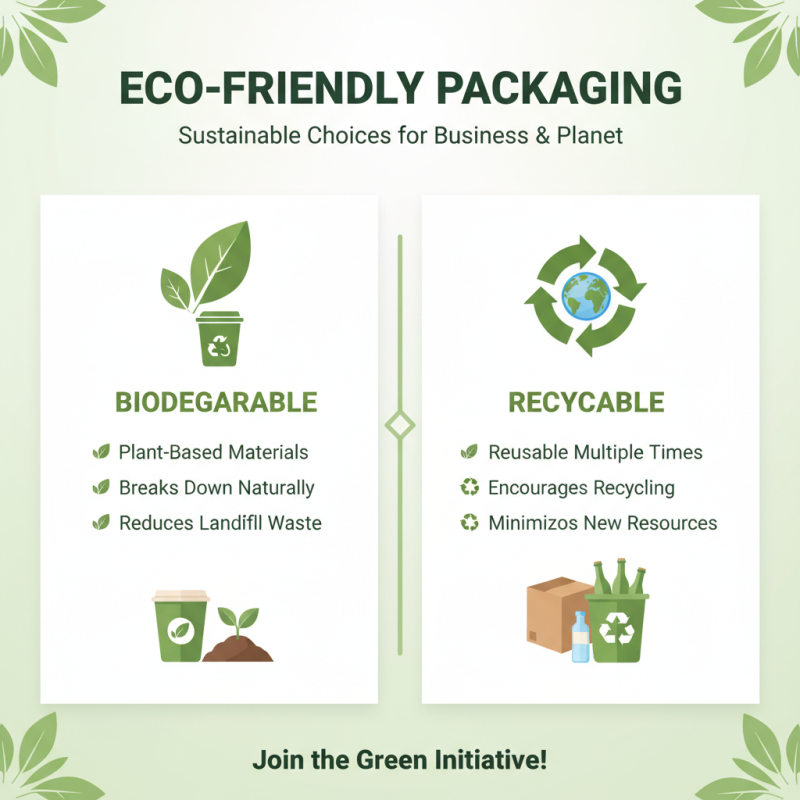
Eco-friendly packaging is a vital consideration for businesses today. Various types of sustainable materials are available. One option is biodegradable packaging made from plant-based materials. This breaks down naturally, reducing landfill waste. Another choice is recyclable packaging, which can be reused multiple times. This option encourages consumers to participate in recycling initiatives.
Yet, it's not just about the materials. The design plays a crucial role. Simple, minimalist designs can reduce excess waste. Using fewer colors decreases the need for chemical dyes, making it safer for the environment. However, some brands struggle with balancing aesthetics and sustainability. They may choose flashy designs that compromise eco-friendliness.
Many companies still face challenges. Sourcing sustainable materials can be expensive. Adapting to eco-friendly practices may require additional training for employees. Education about the benefits of green packaging is essential. Businesses must reflect on their choices and be open to change. The journey towards sustainable packaging is ongoing, filled with opportunities for improvement.
Strategies for Implementing Innovative Packaging in Business Operations
Innovative packaging plays a crucial role in sustainable business growth. According to a 2022 survey by the Sustainable Packaging Coalition, 74% of consumers prefer products with eco-friendly packaging. This opens up avenues for businesses to adopt sustainable materials like biodegradable plastics and recycled paper. These options not only resonate with eco-conscious consumers but also reduce waste in landfills.
Implementing innovative packaging requires strategic planning. Companies should invest in research to understand consumer preferences. For instance, a recent report indicated that 45% of consumers pay more for sustainable packaging. Yet, many businesses struggle with the initial costs. Investing in sustainable practices can seem daunting. Some brands have experienced setbacks due to poor packaging choices that didn’t align with their values. It's vital to reflect on these aspects before committing to a new design or material.
Collaboration with suppliers is another key strategy. This can lead to better material sourcing and shared innovative ideas. However, communication often falters at different stages of production. The potential for misalignment exists. Assessing the entire supply chain is necessary for true sustainability. Companies need to ensure that every aspect of their packaging aligns with the green ethos they want to promote.
Measuring the Impact of Sustainable Packaging on Business Growth
Sustainable packaging has a measurable impact on business growth. Companies adopting eco-friendly materials often see an increase in customer loyalty. Customers today are more conscious of their choices. When they know a product is sustainably packaged, they feel good about their purchase. This enhances brand reputation and drives sales.
Tips: Use recycled materials whenever possible. This not only reduces waste but can also lower production costs. Engage your customers by sharing your sustainability story. Transparency builds trust and encourages repeat purchases. Explore innovative designs that minimize space and reduce shipping costs. Every little improvement helps.
Some businesses struggle with sustainable packaging implementation. They might find it expensive initially. Perhaps, they fear losing their current customers. These concerns are valid but can hinder growth in the long run. Assessing the impact of sustainable practices is crucial. Many businesses have found that the initial investment pays off over time. Make the leap towards sustainable solutions; it can redefine your growth trajectory.
How to Utilize Innovative Packaging for Sustainable Business Growth? - Measuring the Impact of Sustainable Packaging on Business Growth
| Packaging Type |
Market Growth (%) |
Consumer Preference (%) |
Cost Impact (%) |
Environmental Impact (Score out of 10) |
| Biodegradable |
25 |
70 |
5 |
9 |
| Recyclable |
30 |
75 |
3 |
8 |
| Plant-Based |
20 |
65 |
6 |
8 |
| Reusable |
35 |
80 |
7 |
9 |
Case Studies: Successful Companies Using Innovative Packaging for Growth
Innovative packaging can drive business growth through creativity and sustainability. Many companies have embraced eco-friendly materials. They show consumers that they care about the planet. This approach often attracts new customers who prioritize environmental responsibility.
One notable case features a company that redesigned its packaging using biodegradable materials. They faced challenges in sourcing these materials. Initially, costs were high, and the production process slowed down. However, their commitment to sustainability eventually paid off. Sales increased as eco-conscious consumers shared their positive experience online.
Another example highlights a brand that focused on reusable packaging. They developed a system for customers to return used containers. This initiative encouraged customer loyalty and reduced waste. However, not all customers engaged as expected. Some found the process inconvenient. Continuous feedback helped refine the program. The path to growth is often trial and error, but the results can be rewarding.