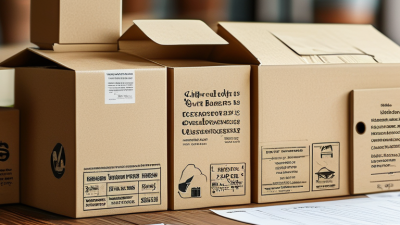
China Top Quality Packaging Solutions for Global Buyers?

China has become a major source of quality packaging solutions for global buyers. Its factories serve food, cosmetics, electronics, retail, and industrial brands. Production capabilities vary widely, however. A reliable supplier must prove more than attractive samples and competitive prices.

Experienced buyers examine material specifications, print accuracy, sealing strength, and delivery consistency. They request factory videos, inspection records, and verified product samples. A carton should survive stacking, humidity, and repeated handling. A cosmetic box should protect its finish from scratches during transport. Food packaging requires suitable materials and documented safety controls for each target market.

Certifications matter, but paperwork alone cannot guarantee dependable performance. Buyers should confirm testing methods, production capacity, and quality control responsibilities. Clear communication also reduces errors in dimensions, colors, labeling, and packing quantities. Small details matter.

China’s strongest packaging manufacturers combine engineering knowledge with flexible production. They can adjust structures, finishes, and materials for different markets. Recycled paper, water-based inks, and reduced plastic options are increasingly requested. Yet sustainable claims need evidence, not attractive wording.

No supplier gets everything right. Even a polished sample may hide weak adhesive or inconsistent color. Regular inspections remain valuable. A practical sourcing process includes prototype approval, pre-production checks, and final shipment verification. Buyers should also review corrective actions when problems appear.

This guide explores how global companies can identify capable Chinese partners. It focuses on measurable quality, responsible production, and realistic communication. The goal is not simply to find low prices. It is to build packaging that protects products, supports brand trust, and performs reliably across borders.
China Top Quality Packaging Solutions for Global Buyers?

Packaging Solutions in China: Scope, Types, and Industry Standards

China Top Quality Packaging Solutions for Global Buyers?

Packaging Solutions in China: Scope, Types, and Industry Standards

China’s packaging sector covers retail, food, cosmetics, electronics, logistics, and industrial equipment. Buyers can source corrugated cartons, folding boxes, flexible pouches, molded pulp, glass, metal, and reusable transport packaging. Each type serves a different purpose. Protection, shelf appeal, shipping weight, and recycling goals must be considered together.

In practical supplier evaluations, material certificates and production samples are only the starting point. A reliable packaging partner should explain board strength, coating composition, sealing performance, print tolerances, and moisture resistance. Factory audits can examine incoming materials, color control, batch records, and final inspections. Small details matter. A carton may look strong but collapse after humid storage.

Chinese suppliers commonly work with national GB standards, ISO-based quality systems, and sector-specific requirements. Food-contact packaging may require compliance with relevant GB 4806 standards. Export packaging also needs accurate labeling, tested materials, and documentation for the destination market. Buyers should request test reports from qualified laboratories and confirm that reports match the final product. This step is often overlooked. It should not be.

Cost remains attractive, but the lowest quotation can hide thinner material, weaker adhesive, or limited quality control. I have seen packaging specifications change after approval, creating avoidable waste. Clear drawings, approved samples, inspection criteria, and written change-control procedures reduce that risk. Still, no process is perfect. Regular testing and honest supplier communication remain necessary.

How Chinese Packaging Manufacturers Ensure Consistent Product Quality

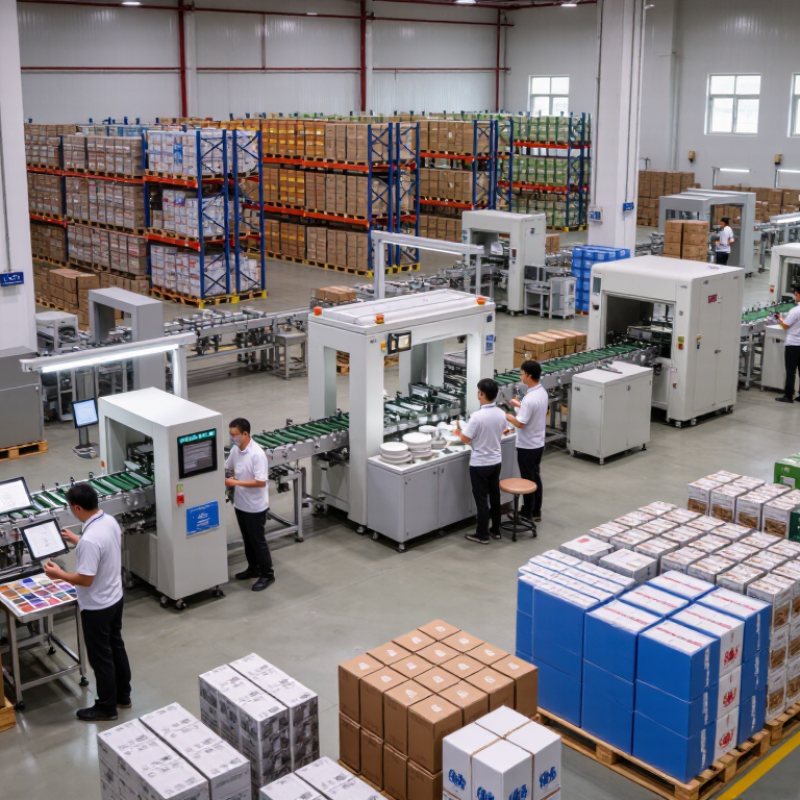
Chinese packaging manufacturers protect consistent quality through controlled processes, not final inspection alone. A practical factory audit checks incoming paper, film, ink, and adhesive batches before production begins. Operators record caliper, grammage, color difference, sealing strength, and dimensional tolerance. Each production lot should carry a traceable code.

Smithers’ 2024 packaging market outlook places global packaging demand above US$1 trillion, increasing pressure on suppliers to deliver reliably at scale. Chinese factories commonly use ISO 9001 systems, sampling plans based on ISO 2859-1, and transport tests aligned with ASTM D4169. For export orders, test cartons may face vibration, compression, and repeated drops. Small defects become visible quickly.

The OECD’s Global Plastics Outlook reports that packaging represents about 40% of global plastic use. This makes material control and documented sustainability claims increasingly important. Responsible manufacturers verify recycled content, migration requirements, and supplier certificates instead of trusting declarations alone. Still, no factory is flawless. Paper moisture can change overnight, and a perfect color sample may fail under different lighting. Human mistakes remain possible. Strong suppliers respond with corrective-action reports, retained samples, and repeat testing before shipment. Good records matter. So does honest review.

Materials, Customization, and Design Options for Global Buyers

China offers diverse packaging solutions for global buyers, from lightweight cartons to rigid protective cases. Material choice should follow product weight, moisture exposure, transport distance, and storage conditions. Recycled paperboard suits many retail products, while corrugated board provides stronger cushioning during shipping. For sensitive goods, multilayer structures can improve barrier performance.

Customization affects both protection and cost. Buyers can specify dimensions, board thickness, surface finish, closures, inserts, and printing requirements. A small trial sample often reveals problems that drawings miss. For example, a lid may look precise but feel loose after repeated opening. That detail matters. Suppliers should confirm material certificates, color references, compression results, and production tolerances before mass manufacturing. Packaging intended for food, cosmetics, or other regulated products also needs suitable materials and documented compliance for the destination market.

Design can combine practical handling with a clear visual identity. Embossing, matte coatings, windows, magnetic closures, and molded inserts create different user experiences. However, attractive features may increase waste, weight, or production difficulty. I have seen elegant structures fail because their corners weakened during transit. Better results usually come from testing filled packages under stacking, vibration, and humidity conditions. Communication can still be imperfect, especially when technical terms are translated loosely. Written specifications, approved samples, and inspection records reduce that risk. Yet no sample can predict every logistics route. Careful review remains necessary.

Quality Control, Certifications, and Compliance in International Trade

China Top Quality Packaging Solutions for Global Buyers?

Reliable packaging begins with measurable quality control, not attractive samples. In production, inspectors should check dimensions, material thickness, sealing strength, print accuracy, and carton compression. A 0.3-millimeter variation can affect filling equipment. Drop testing also reveals weak corners before shipment. Each batch needs traceable records, including inspection dates, quantities, and corrective actions. In my experience, clear acceptance standards prevent more disputes than verbal promises.

Certifications support trust, but they do not replace product testing. Buyers should verify certificate numbers, issuing bodies, test methods, and expiration dates. Depending on the destination, packaging may need food-contact documentation, recycling information, chemical declarations, or transport testing. Compliance requirements can differ between countries and product categories. A supplier may meet one market’s rules while missing another’s. That uncomfortable gap deserves attention.

Tips: Request a pre-production sample and an approved reference sample. Ask for recent test reports, not general claims. Confirm whether testing covers the exact material and finished structure. Use an independent inspection when order value or risk is high. Keep a written specification with tolerances, artwork details, packing methods, and delivery terms. I have seen projects fail because the specification lacked one small detail: the acceptable color range. Perfect control is unrealistic, but visible records make improvement possible.

How to Evaluate and Select a Reliable Chinese Packaging Supplier

China Top Quality Packaging Solutions for Global Buyers?

How to Evaluate and Select a Reliable Chinese Packaging Supplier

Choosing a Chinese packaging supplier requires more than comparing unit prices. Start with the factory’s production experience, equipment, and material knowledge. Ask for recent samples matching your required size, structure, finish, and packing method. Inspect the inner layers, seals, edges, printing accuracy, and carton strength.

Request clear quality standards before placing an order. A dependable supplier should explain inspection points, acceptable defect levels, and corrective procedures. Check whether materials can be traced through purchase records and batch codes. Certifications may support credibility, but they do not replace factory verification. Review test reports carefully. Confirm the testing date, product specification, and issuing laboratory.

Communication reveals practical reliability. Send a detailed specification sheet with drawings, tolerances, colors, and shipping marks. Evaluate how quickly the supplier identifies unclear details. Visit the facility when possible, or arrange a live video inspection. Observe storage conditions, production flow, and final inspection records. Keep approved samples for comparison during mass production.

Do not trust polished samples alone. A perfect prototype can hide inconsistent production control. No supplier is flawless. What matters is transparent problem handling. Ask how delays, damaged cartons, or failed inspections are managed. A written quality agreement helps, although it may not prevent every mistake. Begin with a controlled trial order before expanding volumes. Review delivery accuracy, packaging protection, response speed, and actual product consistency. Reliable partnerships grow through evidence, not promises.

China Top Quality Packaging Solutions for Global Buyers? - How to Evaluate and Select a Reliable Chinese Packaging Supplier
Evaluation Dimension What to Verify Practical Benchmark for Selection Recommended Evidence Priority
Product and Material Compliance Whether the packaging materials are suitable for the intended product, market, storage condition, and contact application. Material specifications should clearly define grade, thickness, dimensions, tolerances, and intended use. Food-contact packaging should meet the requirements of the destination market. Material specification sheet, declarations of compliance, restricted-substance statement, and representative samples. High
Quality Management System How the supplier controls incoming materials, production processes, inspections, nonconformities, and corrective actions. A documented quality system with inspection records, batch traceability, approved procedures, and a formal corrective-action process. Quality manual, process-control plan, inspection forms, audit report, and sample corrective-action record. High
Dimensional Accuracy Consistency of length, width, height, thickness, sealing area, print registration, and closure fit. Critical dimensions should have written tolerances agreed before mass production. Trial samples should fit the buyer's filling, sealing, and handling equipment. Approved technical drawing, first-article inspection report, dimensional measurement data, and machine-fit trial results. High
Barrier and Performance Testing Resistance to moisture, oxygen, light, grease, impact, compression, leakage, or temperature exposure, depending on the product. Performance targets should be defined by application rather than by appearance alone. Testing should use recognized methods where applicable. Laboratory test reports, migration or safety reports when relevant, seal-strength data, drop tests, compression tests, and shelf-life validation. High
Production Capacity Available equipment, production shifts, monthly output, peak-season planning, and ability to support repeat orders. Capacity should exceed the buyer's forecasted demand with a documented contingency plan for equipment downtime, raw-material shortages, and seasonal peaks. Equipment list, capacity statement, production schedule, utilization data, and capacity-allocation plan. High
Lead Time and Delivery Reliability Time required for sampling, tooling, production, inspection, export preparation, and delivery to the agreed destination. Lead times should be separated into sampling, tooling, production, and logistics stages. The supplier should provide milestone dates and escalation procedures. Written production timeline, historical delivery records, order-progress reports, and agreed Incoterms and shipping documents. High
Minimum Order Quantity and Flexibility Minimum order quantity, mixed-size ordering, color or artwork variations, reordering flexibility, and inventory options. MOQ should be compatible with the buyer's launch volume and forecast. Any charges for low-volume orders, multiple artworks, or split shipments should be transparent. Formal quotation, MOQ policy, tooling-cost schedule, surcharge list, and sample purchase agreement. Medium
Artwork and Prepress Control Color management, barcode readability, typography, dieline accuracy, print proofs, and approval procedures. No mass production should begin without written approval of the final artwork, color reference, dieline, and preproduction sample. Digital proof, physical proof, color standard, barcode verification report, and signed artwork approval record. High
Traceability and Inspection Ability to identify raw-material lots, production dates, operators, inspection results, and shipment batches. Each shipment should be traceable to a production batch, with defined sampling levels, acceptance criteria, and retained samples. Batch coding example, inspection plan, certificate of analysis when relevant, retained-sample procedure, and packing-list references. High
Packaging Sustainability Material efficiency, recyclability, recycled content, responsible sourcing, inks, coatings, and end-of-life guidance. Sustainability claims should be specific, technically supported, and aligned with the destination market's labeling and environmental requirements. Material composition statement, recycled-content evidence, recyclability assessment, environmental declarations, and supplier sustainability policy. Medium
Export and Regulatory Readiness Experience with export documentation, customs classification, destination-market requirements, and shipping damage prevention. The supplier should provide accurate commercial documents, export packing specifications, and a clear process for handling customs or documentation discrepancies. Sample commercial invoice, packing list, carton marks, product classification information, and export-packing specification. High
Cost Transparency Breakdown of material, printing, tooling, finishing, inspection, packaging, freight terms, and possible surcharges. Quotes should state currency, validity period, taxes, tooling ownership, payment terms, Incoterms, packaging configuration, and price-adjustment conditions. Itemized quotation, pro forma invoice, tooling agreement, payment schedule, and cost-change notification clause. High
Communication and Project Management Response speed, technical communication, English documentation, escalation process, and ownership of project milestones. One accountable project contact should manage specifications, approvals, production updates, quality issues, and shipment coordination. Communication protocol, project schedule, meeting records, sample-approval workflow, and issue-escalation matrix. Medium
Risk and Business Continuity Dependence on single facilities or raw-material sources, backup equipment, emergency response, and financial or operational stability. The supplier should identify major risks and maintain practical contingency measures for critical materials, tooling, production interruption, and logistics disruption. Risk register, business-continuity plan, backup-supplier policy, emergency contact list, and facility-audit findings. Medium