Top Product Packaging Solutions for Global Buyers
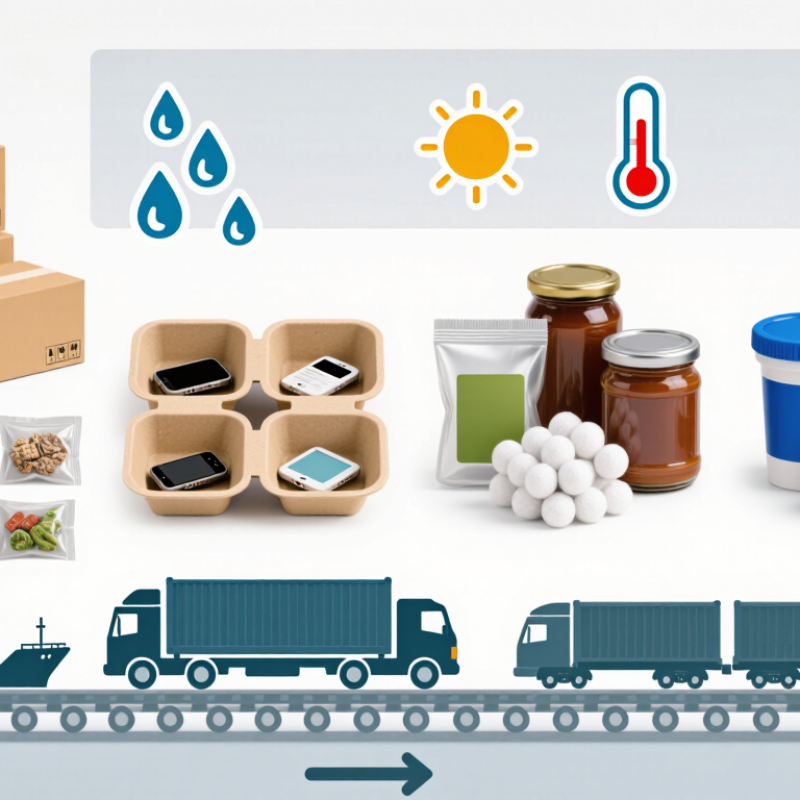
Global buyers need product packaging solutions that protect goods, communicate value, and perform reliably across borders. A package may travel by truck, ship, rail, and warehouse conveyor before reaching a customer. Every stage creates pressure, vibration, moisture, or temperature changes. Good packaging must anticipate these conditions rather than simply look attractive on a shelf.
This guide explores practical options for food, cosmetics, electronics, household goods, and industrial products. It considers cartons, flexible pouches, molded inserts, glass containers, metal tins, and recyclable protective materials. Material selection should reflect product weight, fragility, shelf life, shipping distance, and storage environment. A lightweight pouch may reduce freight volume, while a reinforced carton may better protect delicate components. Small details matter. A secure seal matters.
Reliable decisions also require supplier audits, sample testing, clear specifications, and consistent quality checks. Buyers should review compression strength, drop resistance, moisture protection, print accuracy, and closure performance before approving large production runs. Regional recycling systems and labeling expectations also deserve attention. Requirements vary between markets, so assumptions can create costly delays.
There is no perfect package.
A lower-cost material may increase damage claims. A premium finish may complicate recycling. Even experienced teams can overlook stacking conditions or humid storage. These limitations deserve honest review. By comparing performance, total cost, sustainability, and supplier capability, global buyers can select packaging that supports both customers and long-term business reliability.
Packaging Requirements for Global Markets
Top Product Packaging Solutions for Global Buyers
Packaging Requirements for Global Markets
Global packaging succeeds when it fits local rules, shipping realities, and buyer expectations. A carton designed for a dry warehouse may fail after sea freight and humid storage. Smithers’ The Future of Global Packaging to 2028 values the worldwide packaging market at more than US$1 trillion. Scale is significant. Compliance still decides whether goods move.
Export teams should confirm food-contact status, restricted substances, recycling marks, and language requirements before production. Requirements can differ by destination, product category, and package layer. Use measurable specifications: board grade, compression strength, moisture resistance, seal temperature, and tolerances. ISTA test protocols can guide parcel and transport testing, while ISO 18601 supports a structured approach to packaging and the environment. A 60-cent insert is not cheap if it prevents breakage. It is not wise if buyers must discard it immediately.
Material choices need evidence, not fashionable claims. UNEP’s Turning off the Tap report estimates that 19–23 million tonnes of plastic waste enter aquatic ecosystems each year. Reduce unnecessary layers, but do not weaken protection. Recycled content, recyclability, and compostability require destination-specific verification. Labels also need clear symbols, local languages, batch codes, and traceability data. QR codes can help, yet they fail without connectivity or printed essentials. A practical specification should include test records, supplier declarations, and a contingency plan. Perfection is unlikely. Recheck assumptions after the first shipment.
Core Types of Product Packaging Solutions
Product packaging solutions begin with the product’s contact and protection needs. Primary packaging touches the product directly. Bottles, jars, pouches, trays, and cartons serve different functions. A food pouch may need moisture and oxygen barriers. A glass container may protect flavor but increase shipping weight. Buyers should review material compatibility, seal strength, fill temperature, and expected shelf life. In my experience, the cheapest unit price rarely reflects total packaging cost. Good packaging reduces leakage, damage, and unnecessary returns.
Secondary packaging groups individual units for retail handling. Folding cartons, printed sleeves, and corrugated cases add structure and product information. They also create space for required labels, batch details, and handling instructions. Tertiary packaging supports storage and international transport. Pallets, stretch film, edge protectors, and reinforced shipping cases help stabilize loads. Container dimensions matter. Empty space can become expensive air during long-distance freight. Reusable systems can work well, but only when collection and cleaning are realistic.
Material choice should match performance, budget, machinery, and disposal conditions. Paper-based formats suit many dry goods, while rigid plastics and metal may offer stronger impact resistance. Recycled content can support resource goals, yet supply consistency needs verification. Packaging tests should include compression, vibration, drop, seal, and climate exposure where relevant. Documentation is equally important. Specifications, inspection records, and approved samples give buyers a dependable reference. No format is perfect. A design that looks efficient may be difficult to open, recycle, or fill at scale. Small pilot runs often reveal these weaknesses before full production.
Materials, Design, and Protection Standards
Global buyers need packaging that survives distance, handling, and changing climates. Material selection begins with risk, not appearance. Corrugated board offers efficient cushioning and easy recycling, while molded fiber suits lighter products. Recycled plastic can provide stronger moisture resistance, but its recovery depends on local infrastructure. UNEP’s 2023 Turning off the Tap report identifies packaging as a major driver of global plastic use. The material choice deserves scrutiny.
Design should reduce empty space without squeezing the product. A practical package leaves room for corner protection, labels, and hand movement. Smithers’ Future of Global Packaging to 2028 report projects the packaging market will exceed 1 trillion US dollars, increasing pressure for measurable performance. In factory trials, small gaps often become costly damage during vibration. No material wins every test. That is easy to forget.
Protection standards turn assumptions into evidence. ISO 18601–18606 supports packaging optimization, material recovery, and reuse decisions. ISTA testing can simulate drops, compression, vibration, and climate exposure during distribution. ASTM D4169 also helps evaluate shipping-unit performance under defined hazards. Buyers should request test conditions, sample sizes, and failure records, not only certificates. Humidity remains a weak point for paper-based designs. A package that passes a dry laboratory test may fail beside a rainy loading dock. That limitation should shape both design reviews and purchasing specifications.
Supplier Selection and International Compliance
Top Product Packaging Solutions for Global Buyers
Supplier Selection and International Compliance
Selecting packaging suppliers requires more than comparing unit prices. Ask for material specifications, factory capacity, and recent quality records. A reliable supplier explains tolerances clearly. They should provide batch traceability and documented corrective actions. Request physical samples in the final production material, not a showroom substitute. Check seal strength, compression resistance, and print durability under realistic shipping conditions. Small details matter. A damp carton can fail before reaching a warehouse.
International compliance must be checked market by market. Confirm food-contact, chemical, recycling, labeling, and waste requirements with qualified local advisers. Requirements may differ between the destination country and the country of manufacture. Ask suppliers for current test reports, declarations, and laboratory accreditation details. Do not accept copied certificates without verification. Packaging dimensions also affect customs descriptions, pallet efficiency, and transport emissions. These issues are often missed during fast purchasing decisions.
A supplier audit should examine worker safety, process control, storage conditions, and subcontracting practices. Review how rejected materials are isolated and recorded. Keep approval samples and change-control rules in writing. A cheaper quotation may conceal higher inspection, delay, or redesign costs. Still, audits are not perfect. Documents can become outdated, and a single visit cannot reveal every weakness. Recheck critical evidence before each major shipment, especially after material or factory changes. This practical discipline supports safer, more consistent packaging for global buyers.
Top Product Packaging Solutions for Global Buyers
Supplier Selection and International Compliance
The chart presents a practical 100-point supplier evaluation model for international packaging procurement.
Compliance readiness receives the highest weighting because export packaging may need to meet destination-market,
labeling, material, food-contact, recycling, and transport requirements. Quality consistency, total landed cost,
delivery reliability, and sustainability complete the selection framework.