2026 How to Choose the Best Packaging Solutions for Your Needs?
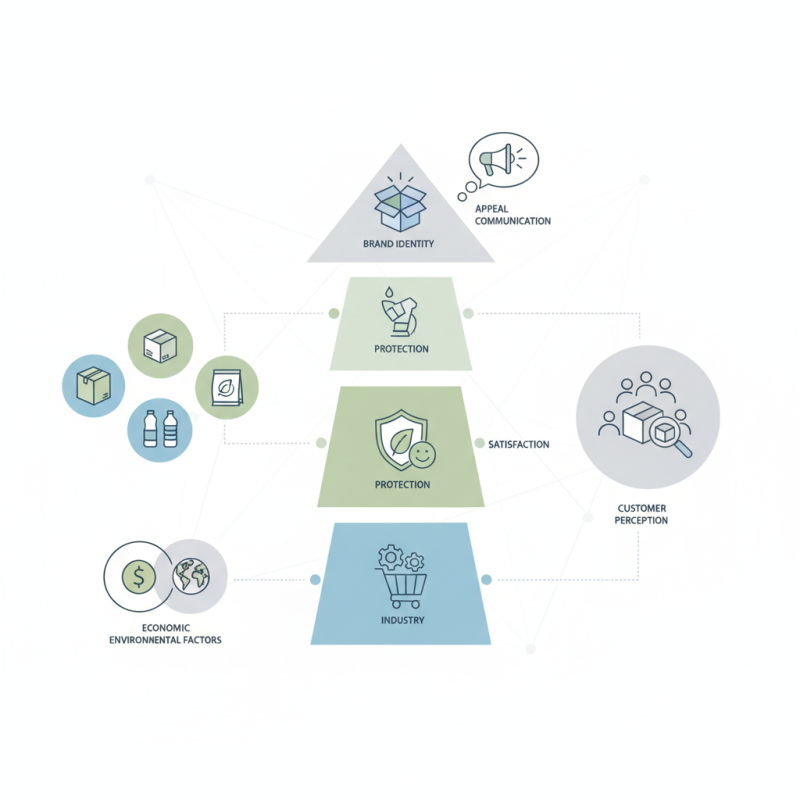
Choosing the right packaging solutions is vital for businesses in every industry. The packaging you select can impact customer satisfaction and product safety. Consider how your packaging choices align with your brand identity. Effective packaging solutions can enhance your product's appeal on the shelf.
Yet, navigating through various options can be overwhelming. There are countless materials, designs, and technologies available. Each choice can have distinct environmental and economic consequences. It's essential to reflect on these factors carefully.
Reliable packaging solutions not only protect products but also communicate your brand message. Customers often notice packaging before they see the product itself. Therefore, it’s crucial to ensure that your packaging resonates with your target audience.
Understanding Your Packaging Needs and Objectives
When considering packaging solutions, understanding your needs is crucial. Start by identifying the products you want to package. Are they fragile or perishable? This will influence your materials. Packaging for food requires durability and safety. Fragile items need protective materials. Each product has specific requirements, which should not be overlooked.
Next, evaluate your target audience. Who will receive these packages? Aesthetics can play a significant role. Attractive packaging can enhance the customer experience. Consider sustainability too. Eco-friendly packaging options are increasingly important to consumers. Find a balance between design and functionality.
Lastly, think about your distribution methods. Will the packages endure rough handling? What is the travel distance? Testing different packaging under various conditions is essential. Feedback can help refine your approach. It's a continuous process that demands regular reflection and adjustment. Don't rush; good packaging takes time and thought.
Evaluating Different Types of Packaging Materials
When selecting packaging materials, consider various options. Each type has its benefits and drawbacks. Cardboard is widely used. It is lightweight and recyclable. However, it may not be the most durable choice. Rigid plastics offer sturdiness, yet they can harm the environment. This dichotomy requires deep reflection.
Flexible packaging emerges as a versatile alternative. It often uses less material and can be more cost-effective. Yet, the trade-off comes in recyclability. Many consumers struggle to identify how to dispose of these materials properly. Are they eco-friendly or harmful?
Natural materials, such as paper and hemp, present another option. They align with sustainability goals. But sourcing can sometimes be inconsistent. Companies must ask if these options genuinely fit their brand values. Evaluating these nuances is essential for making informed decisions. Each choice reveals the complexities of packaging in today’s market.
2026 How to Choose the Best Packaging Solutions for Your Needs? - Evaluating Different Types of Packaging Materials
| Packaging Material | Pros | Cons | Best Use Cases |
|---|---|---|---|
| Cardboard | Biodegradable, Light weight, Cost-effective | Not water-resistant, Less durable | Shipping boxes, Retail products |
| Plastic | Durable, Water-resistant, Versatile | Environmental concerns, Non-biodegradable | Food packaging, Consumer goods |
| Glass | Recyclable, Non-reactive, Preserves freshness | Heavy, Fragile | Beverages, High-end products |
| Metal | Strong, Recyclable, Long shelf-life | Higher cost, Corrosion potential | Canned goods, Aerosols |
| Biodegradable Packaging | Eco-friendly, Compostable, Reduces waste | Higher production cost, Shorter shelf-life | Organic products, Sustainable brands |
Assessing Cost-Effectiveness and Budget Constraints
When choosing packaging solutions, cost-effectiveness plays a crucial role. According to a 2021 Smithers report, up to 60% of companies prioritize packaging costs when making decisions. Evaluating these costs involves analyzing material expenses, production processes, and shipping implications.
Striking a balance between quality and affordability is essential. For instance, while biodegradable materials may be more expensive, they potentially lower disposal costs and improve brand sustainability.
Budget constraints can complicate the decision-making process. Research from the Packaging Association shows that over 30% of businesses struggle with packaging budgets. Companies often switch to cheaper alternatives, which can lead to quality issues.
It's vital to assess long-term impacts, including customer satisfaction and product protection. Investing in better packaging may lead to lower overall costs through damaged goods reduction.
Reflection on past choices can lead to better decisions. Some companies may ignore shipping efficiencies to save upfront costs. However, poor packaging can result in increased transportation fees. By conducting thorough cost analyses, businesses can identify hidden expenses.
Prioritizing a comprehensive packaging strategy can lead to sustainable growth and customer loyalty.
Exploring Sustainable Packaging Options
Sustainable packaging options are gaining traction in today’s eco-conscious market. Many businesses are exploring alternatives to traditional materials. Compostable and recyclable options are becoming more popular. They not only reduce waste but also minimize environmental impact. Biodegradable materials, like plant-based plastics, can break down naturally. This is a significant step forward in reducing our carbon footprint.
However, implementing sustainable packaging can be challenging. Costs may rise due to sourcing materials. Some options might not provide the same durability as conventional packaging. It's important to assess whether these materials suit your products. Additionally, consumer awareness varies. Some customers may not understand the benefits of sustainable packaging. Educating your audience plays a crucial role in this transition.
Collaboration with suppliers is essential. Finding reliable sources for eco-friendly materials can take time. It's not always straightforward. Producers may need to rethink their supply chains. Reflecting on these challenges is part of the process. Progress requires ongoing evaluation and adjustment. In the end, exploring sustainable options leads to a more responsible business model.
Analyzing Supplier Reliability and Performance
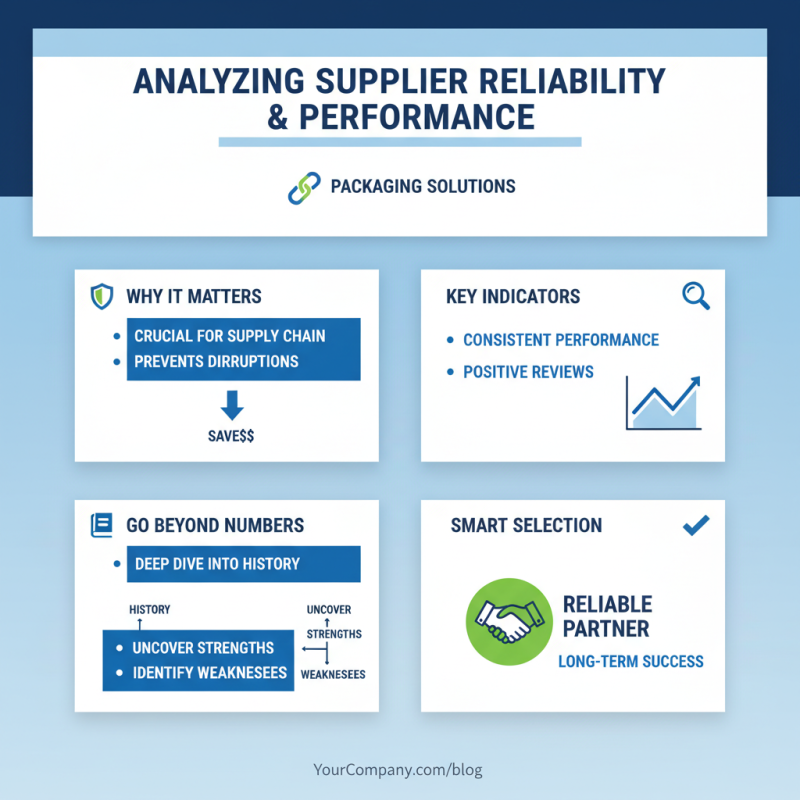
When selecting packaging solutions, supplier reliability is crucial. It directly impacts your supply chain. Assessing a supplier's track record can save you from potential disruptions. Look for suppliers with consistent performance records and positive reviews. This doesn’t mean only relying on numbers. Deep dives into individual company histories can reveal hidden strengths or weaknesses.
Consider their responsiveness during challenges. A reliable supplier addresses issues promptly. Communication is key in these situations. A supplier that communicates well instills confidence. However, keep in mind that even established companies can falter. Mistakes do happen, but how a supplier reacts is telling. Their ability to learn and adapt to problems indicates true reliability.
Evaluate their quality control measures. High-quality materials can enhance your product’s integrity. Request information about their production processes. Understanding their approach helps gauge their commitment. Trust is essential, but verification is wiser. Stay vigilant and continuously monitor suppliers. Regular audits can uncover areas for improvement, helping you maintain high standards.
Related Posts
-
2026 Top Packaging Services Trends in the Industry
-
What is the Best Packing Solutions for Your Business Needs?
-

Top 10 Stunning Packaging Design Trends You Need to Know in 2023
-

10 Essential Tips for Choosing the Best Packaging Solutions for Your Business?
-

2026 How to Optimize Your Packaging Design for Global Buyers?
-
Top China Best Packaging Maker For Global Buyers?