Top Product Packaging Solutions for Global Buyers
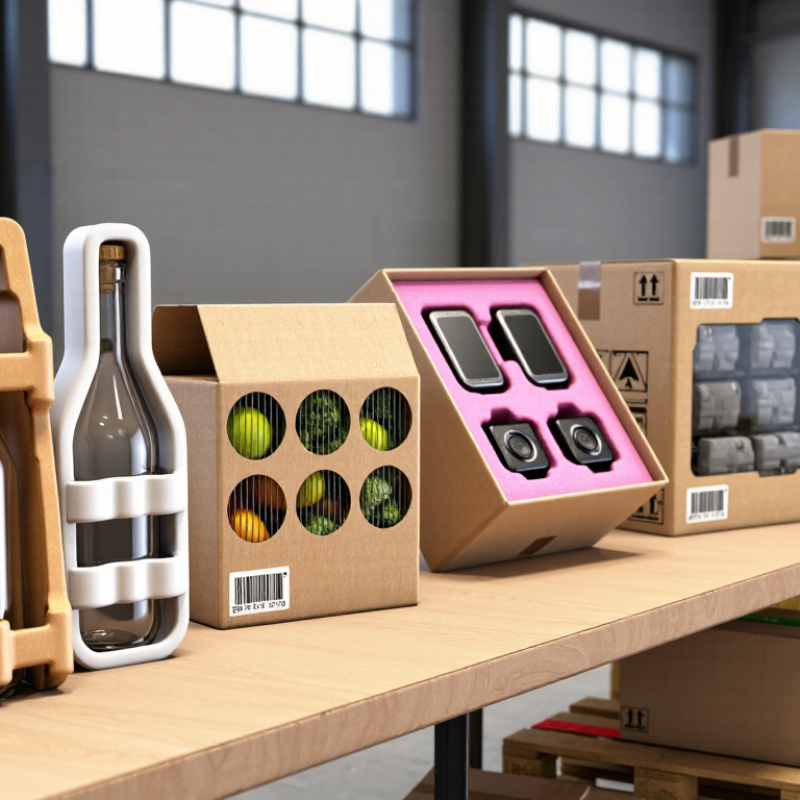
Global buyers need packaging that protects products, controls costs, and travels reliably across borders. The right product packaging solutions must fit the product, market, and supply chain. A glass bottle needs impact protection. Fresh goods need ventilation and moisture control. Electronics require cushioning, anti-static materials, and clear handling labels.
Practical decisions begin with evidence. Packaging teams should review drop-test results, compression strength, moisture resistance, and warehouse conditions. A small carton may reduce freight costs. However, weak corners can create expensive damage claims. Recycled paperboard can support sustainability goals, but it may require stronger structure in humid climates. Details matter.
Supplier experience also matters. Buyers should request material specifications, production samples, quality records, and verified certifications. Factory audits can reveal inconsistent glue lines, poor printing, or weak sealing. These issues are easy to miss in a polished presentation. Barcode readability and pallet stability deserve equal attention. They affect customs checks, inventory control, and delivery speed.
There is no perfect package.
A reliable solution balances protection, appearance, compliance, and total cost. Regional recycling rules, labeling requirements, and customer expectations can differ widely. Experienced suppliers explain these differences clearly and document their recommendations. Still, every recommendation should be tested before full production. One honest weakness is worth identifying early. This guide explores practical product packaging solutions for global buyers, with a focus on performance, responsible materials, dependable sourcing, and measurable results.
Define Buyer Needs: Packaging Accounts for 40% of Global Plastic Waste (OECD)
Packaging buyers must define their real needs before selecting materials, formats, or suppliers. According to the OECD, packaging accounts for about 40% of global plastic waste. This figure changes the buying conversation. Cost and appearance still matter, but waste prevention must guide the specification.
A practical review begins with the product journey. Will the package face humidity, vibration, freezing temperatures, or long storage? A fragile food item may need a sealed inner layer, while a dry product may require less material. Buyers should also measure package weight, recycled content, recyclability, and transport efficiency. Field audits often find oversized cartons, unnecessary films, and mixed materials that complicate recycling. Small design decisions create large waste streams.
Supplier evidence matters. Request material declarations, test reports, production samples, and clear end-of-life instructions. Check whether the proposed solution works in the destination market’s collection system, not only in a laboratory. Packaging engineers can compare barrier performance with material reduction targets. Procurement teams should ask for batch consistency and documented quality controls.
No design is perfect. A thinner package may fail during shipping. A recyclable structure may need more careful sorting. Buyers sometimes focus on a single sustainability claim and miss the wider impact. That is a mistake. Review the full life cycle, test real shipping conditions, and revise the specification when evidence challenges the original plan. A responsible package protects the product without shifting the waste burden elsewhere.
Top Product Packaging Solutions for Global Buyers
Define Buyer Needs: Packaging Accounts for 40% of Global Plastic Waste
Packaging represents approximately 40% of global plastic waste, according to the OECD. For global buyers, this highlights the importance of recyclable, reusable, lightweight, and reduced-material packaging solutions during product and supplier selection.
Source: OECD, Global Plastics Outlook, 2019 estimates.
Select Materials Using ISO 18601–18606 and Life-Cycle Performance Data
Top Product Packaging Solutions for Global Buyers
Global packaging decisions should begin with evidence, not attractive samples. ISO 18601 provides the framework for packaging and the environment. Its related standards address source reduction, reuse, material recycling, energy recovery, and organic recycling. Together, ISO 18601–18606 help buyers compare packaging systems across their full life cycle.
Ask suppliers for measured data. Useful records include packaging weight, recycled content, transport volume, product protection results, and end-of-life options in the destination market. A lighter carton may reduce emissions, yet fail during humid storage. That creates waste, returns, and hidden costs. Real testing matters. Drop tests, compression tests, and warehouse trials reveal problems early. Life-cycle assessment can add further insight, especially when comparing paper, plastic, metal, or mixed-material formats. However, assumptions must be checked. Disposal infrastructure changes by country, and some recycling claims remain too optimistic.
Tips: Request the calculation method and system boundaries. Check whether transport, production, and disposal are included. Compare performance per protected product, not per package alone. Keep samples from pilot shipments. Review them after handling, rain exposure, and stacking. Small failures count. I have found that packaging teams often focus on material selection while overlooking ink, closures, labels, and adhesives. That is an imperfect approach. These components can affect recyclability and sorting. Build a supplier scorecard using ISO criteria, test results, and local recovery data. Then revise it when field evidence challenges the original plan.
Top Product Packaging Solutions for Global Buyers – Select Materials Using ISO 18601–18606 and Life-Cycle Performance Data
The comparison below is intended for early-stage packaging selection. ISO 18601–18606 provide a framework for packaging and the environment; they do not certify a specific package or guarantee a universal recycling outcome. Actual results depend on package design, supply-chain conditions, local collection systems, recycling infrastructure, and verified product-specific life-cycle data.
| Packaging Solution | Primary Material Structure | Typical Product Applications | Key Functional Performance | Typical Material Density or Basis Weight | End-of-Life Route Under ISO 18604–18606 | Reuse Potential Under ISO 18603 | Life-Cycle Performance Indicators | ISO 18601–18606 Design Considerations | Global-Buyer Selection Notes |
|---|---|---|---|---|---|---|---|---|---|
| Corrugated Fiberboard Shipping Box | Paper linerboard and fluting; commonly single-wall or double-wall corrugated board | E-commerce shipments, household goods, appliances, industrial components, and secondary transport packaging | Good stacking strength-to-weight ratio; printable; can be die-cut; performance decreases when exposed to prolonged moisture | Approximately 350–900 g/m², depending on flute profile, board grade, and construction |
ISO 18604: material recycling
Recoverable through established paper-recycling systems where accepted |
Possible for durable transit systems when box integrity, reverse logistics, cleaning, and repeated-use cycles are validated | Renewable fiber feedstock; recycled fiber may reduce virgin-fiber demand. Transport efficiency is often favorable because of low mass and flat-sheet conversion. Moisture barriers, inks, adhesives, and contamination can affect recovery. | Apply ISO 18601 for overall design; ISO 18602 for material minimization and performance optimization; ISO 18604 for fiber recovery. Avoid unnecessary non-paper components that hinder pulping. | Strong default for dry products and distribution packaging. Specify compression, edge-crush, burst, humidity, and stacking requirements before reducing board weight. |
| Paperboard Folding Carton | Coated or uncoated paperboard; may include barrier coatings, windows, inks, or adhesive closures | Dry foods, personal-care products, household products, pharmaceuticals, and consumer electronics accessories | Good graphics and shelf presentation; efficient flat-pack transport; moderate puncture and moisture resistance | Approximately 250–600 g/m² |
ISO 18604: material recycling
Usually suitable for paper recycling when coatings, laminates, and attached components remain compatible with local systems |
Generally designed for one-way use; reusable only where a tested return-and-refill or return-and-repack system exists | Low package weight and efficient nesting can reduce distribution impacts. Fiber sourcing, coating chemistry, product protection, and recycling yield should be assessed together. | Use ISO 18602 to remove unnecessary layers and optimize grammage. Under ISO 18604, confirm that windows, metallic effects, coatings, and closures do not prevent the intended recycling route. | Suitable where brand graphics and efficient cube utilization are important. Use functional barrier data rather than visual appearance alone when protecting sensitive products. |
| Molded Fiber Protective Insert | Formed cellulose fiber, often from recycled paper or other plant-fiber pulp | Fragile electronics, cosmetics, food trays, bottles, and protective cushioning for shipping | Good cushioning and shape conformity; can replace some expanded plastic components; moisture resistance depends on treatment | Commonly approximately 500–1,500 g/m² equivalent basis weight, depending on geometry and wall thickness |
ISO 18604: material recycling
May also be compatible with organic recycling only when coatings, additives, inks, and local acceptance requirements allow it |
Reusable in closed-loop transport programs when compression set, hygiene, and dimensional stability are validated | Fiber-based production can use recycled feedstock, but molded geometry may add drying and forming energy. Product damage prevention is a critical life-cycle benefit. | Apply ISO 18602 to optimize mass against protective performance. Select either material recycling or organic recycling only after verifying the complete formulation and local infrastructure. | Useful for plastic-reduction programs, but compare total material mass and product-damage rates rather than selecting solely by substrate type. |
| Mono-Polyethylene Flexible Pouch | Predominantly polyethylene film structure, such as PE sealant and PE barrier layers where technically feasible | Dry foods, powders, pet products, refill formats, detergents, and lightweight consumer goods | Low mass; strong sealability; good moisture barrier; flexible format can provide high product-to-package ratio | Film thickness commonly approximately 60–180 µm, depending on product and barrier requirements |
ISO 18604: plastic material recycling
Only where the local collection and sorting system accepts the format and the structure meets applicable design requirements |
Normally one-way; reuse requires validated washing, drying, filling, seal integrity, and reverse logistics | Low package mass can reduce transport energy. Recycling performance is highly dependent on collection, sorting, film handling, contamination, and the absence of incompatible layers. | Under ISO 18602, minimize layers without compromising shelf life. Under ISO 18604, verify polymer compatibility, labeling, closures, inks, and local sorting capability. | Use for lightweighting only after confirming that the intended market has a credible collection and recycling pathway for flexible PE packaging. |
| Rigid Polyethylene or Polypropylene Container | HDPE, LDPE, or PP container; may include a compatible cap, label, or closure system | Cleaning products, personal-care products, food ingredients, industrial chemicals, and reusable transport applications | Good impact resistance; moisture barrier; stackable; suitable for molded closures and dispensing systems | Container wall thickness commonly approximately 0.5–3.0 mm, depending on format and load requirement |
ISO 18604: plastic material recycling
Typically more compatible with mechanical recycling than mixed-material flexible structures, subject to local system acceptance |
High potential for refill or return systems when container durability, hygiene, deposit control, and reverse logistics are demonstrated | Durability can support multiple-use systems. For one-way use, resin choice, recycled content, wall thickness, colorants, labels, and closure compatibility influence recovery and life-cycle results. | Apply ISO 18602 to optimize wall weight and performance. Apply ISO 18603 when reuse is proposed, including the required collection, inspection, cleaning, and redistribution system. | Prefer simple, compatible material combinations and designs that can be emptied, sorted, processed, and identified in the target market. |
| Glass Bottle or Jar | Soda-lime glass with compatible closure and label components | Beverages, sauces, cosmetics, pharmaceuticals, and food products requiring a strong barrier | Excellent barrier to gases and moisture; chemically stable; transparent or colored; comparatively heavy and breakable | Typical container mass varies widely, approximately 100–700 g for many consumer formats |
ISO 18604: material recycling
Glass cullet can be remelted where collection and color sorting are available |
ISO 18603: reuse option
Reuse requires durable design, return logistics, inspection, washing, and a sufficient number of validated cycles |
High mass increases transport burden. Reuse can improve performance when return distances, breakage, washing energy, and achieved cycle count are favorable. Recycling benefits depend on cullet recovery. | Compare ISO 18603 reuse and ISO 18604 recycling scenarios. For reuse, document the complete system rather than evaluating the bottle in isolation. | Appropriate for premium presentation, strong barrier needs, and established return systems. Optimize pallet density and shipment protection. |
| Aluminum Can or Lightweight Metal Container | Aluminum body with metal end or closure; coatings and inks may be present | Beverages, aerosols, food products, and selected personal-care products | Excellent light and oxygen barrier; strong shelf-life protection; lightweight relative to rigid glass; electrically conductive and formable | Typical body thickness is approximately 0.08–0.30 mm, depending on format and manufacturing design |
ISO 18604: material recycling
High-value metal recycling route where collection, sorting, and remelting infrastructure exists |
Usually one-way; reuse is uncommon for thin beverage-can formats and requires a specifically engineered system | Primary aluminum production is energy intensive; recycled aluminum generally requires substantially less energy than primary production. Actual results depend on recycled content, electricity mix, forming losses, and recovery rate. | Apply ISO 18602 for lightweighting without loss of pressure, corrosion, or handling performance. Apply ISO 18604 for metal recovery and closure compatibility. | Useful where barrier performance and high recovery value are priorities. Validate dent resistance, internal coating performance, and regional collection rates. |
| Reusable Plastic Transit Crate or Tote | Durable rigid plastic, commonly designed for repeated handling and stacking | Closed-loop distribution, grocery logistics, automotive components, agricultural produce, and industrial parts | High durability; nestable or collapsible options; good handling efficiency; designed for repeated transport cycles | Commonly approximately 1.0–8.0 kg per unit, depending on size, payload, wall design, and reinforcement |
ISO 18603: reuse
Material recycling at the end of service life under ISO 18604 |
Primary purpose is reuse; performance depends on achieved rotation cycles, return rate, cleaning, repair, loss, and replacement rate | A reusable system may reduce single-use packaging demand, but additional manufacturing mass, empty-return transport, washing, and asset losses must be included in the life-cycle assessment. | ISO 18603 requires evaluation of the operating system, not merely the container. ISO 18602 should be used to optimize durability against unnecessary material use. | Best suited to predictable routes and high asset-return rates. Model break-even cycles using measured operational data before global deployment. |
| Certified Compostable Fiber-Based Pack | Paper or molded fiber with a compostable coating, adhesive, or barrier layer designed for a defined composting environment | Selected food-service items, dry-food applications, produce formats, and organic-waste collection liners | Can provide a moisture or grease barrier; performance varies significantly with coating, humidity, heat-seal requirements, and storage duration | Commonly approximately 250–900 g/m² for paper and fiber formats, depending on construction |
ISO 18606: organic recycling
Only when the complete packaging, including coatings, inks, adhesives, and components, meets the requirements of the applicable composting environment |
Generally not designed for repeated use unless specifically engineered and validated | Compostability does not automatically mean lower life-cycle impact. Outcomes depend on feedstock, manufacturing, food contamination, collection, composting conditions, and whether the package is actually accepted and processed. | Use ISO 18606 only for a verified organic-recycling route. Do not treat industrial compostability as equivalent to home compostability or general biodegradability. | Select only where an appropriate composting system and clear disposal instructions exist. Avoid using compostable claims to compensate for unavailable infrastructure. |
Verify Global Compliance: ISPM 15, UN GHS, and EU 2030 Recycling Targets
Global packaging buyers should verify compliance before comparing price, finish, or delivery speed. Wooden pallets and crates must follow ISPM 15, the International Plant Protection Convention standard. Approved heat treatment reduces pest risks in international trade. Check the treatment mark, country code, producer number, and inspection records. A missing or unreadable mark can delay customs clearance. It happens more often than expected.
For chemical-related packaging, the UN Globally Harmonized System requires consistent hazard communication. Confirm labels, pictograms, signal words, and safety data sheets match the actual contents. The United Nations reports that GHS implementation varies by jurisdiction, so one label may not satisfy every market. Test translations and local contact details before shipment. Small errors matter.
The European Union is raising the pressure. Eurostat reported 186.5 kilograms of packaging waste per person in 2022. Its new packaging rules set a direction for all packaging to be recyclable by 2030, with recycling possible at scale. Use mono-material designs, clear polymer identification, and easily removable components. OECD data also shows that only about 9% of global plastic waste was recycled in 2019. That figure exposes a design problem, not only a disposal problem. Recyclability claims still need evidence. Ask suppliers for test reports, material declarations, and chain-of-custody records. Some documentation may be incomplete. Flag that risk early.
Optimize Design for Transport, Where Sea Freight Carries 80% of World Trade
Top Product Packaging Solutions for Global Buyers
Sea freight carries more than 80% of global merchandise trade by volume, according to UNCTAD’s Review of Maritime Transport 2024. That statistic changes how buyers should judge packaging. Protection must survive container vibration, humidity, compression, and repeated handling. A visually attractive package can fail before it reaches the warehouse. Design for the voyage, not the showroom.
Use a compact, stackable structure with reinforced corners and minimal empty space. Moisture barriers, desiccant placement, and corrosion control matter on long routes. Internal cushioning should hold the product firmly without creating pressure points. Test packed units through compression, vibration, drop, and climatic conditioning before shipment. ISTA transit protocols can help turn assumptions into measured performance. Still, testing is not a guarantee. Real routes vary.
The World Bank’s 2023 Logistics Performance Index drew on responses from 4,090 logistics professionals across 139 economies. Its findings reinforce the value of visibility, reliability, and timely delivery. Add readable handling marks, scan-friendly labels, and packaging records that match shipping documents. Material reduction also deserves attention. Less packaging can lower freight volume and disposal pressure. But lighter is not automatically better. A thinner board may save material, then cause costly damage. Global buyers should compare total delivered cost, damage rates, and recovery effort—not packaging price alone. That trade-off is easy to underestimate.
Evaluate Suppliers with Cost, Defect Rate, Recyclability, and Carbon Metrics
Global packaging buyers should compare suppliers through verified metrics, not attractive quotes alone. I have seen low unit prices grow after tooling, freight, and rejected batches were included. Calculate landed cost per usable package, including inspection and replacement expenses. Request a three-month cost history when possible.
Defect rate needs a clear measurement method. Ask whether the supplier reports defects per thousand units, by production lot, or after shipment. Review sample records, inspection photos, and corrective-action reports. A 1% defect rate sounds reasonable, but it can waste 10,000 units in a million-piece order. Small errors become expensive.
Recyclability requires more than a recyclable symbol. Check material composition, coatings, adhesives, and local collection access. A technically recyclable package may still be rejected by nearby facilities. Carbon data should state the boundary, energy source, transport distance, and unit of measurement, such as kilograms of CO2e per 1,000 packages. Independent verification improves reliability, while supplier declarations need careful questions. Data is rarely perfect. That is worth admitting. Use the same template for every supplier, audit high-risk claims, and record assumptions beside each score. A balanced review may favor a slightly higher cost when it reduces defects, disposal, and emissions over the full supply chain.
Related Posts
-
China Best Product Packaging Solutions for Global Buyers
-
How to Find Top Quality Packaging Solutions in China?
-
China Top Quality Packaging Solutions for Global Buyers?
-
How to Choose the Best Product Packaging Solutions?
-
Top Product Packaging Solutions for Global Buyers
-
10 Best Product Packaging Solutions Every Business Should Consider