How to Choose Packaging Services for Global Shipping?

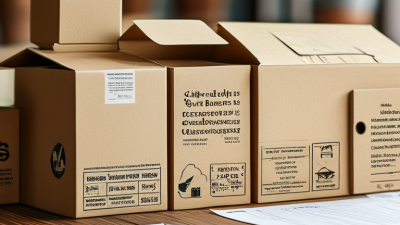
Global shipping begins long before a parcel reaches the airport. It begins with the box, the inner cushioning, and the label’s ability to survive rain, pressure, and repeated handling. Choosing reliable packaging services can protect products, reduce damage claims, and preserve customer trust across borders. The right provider should understand product weight, fragility, dimensions, destination conditions, and handling risks. A ceramic item needs different protection from clothing or electronic equipment. That sounds obvious, yet many shipping problems begin with generic packaging.

Look for packaging partners with practical international experience and documented quality procedures. Ask how they test cartons, seal fragile goods, control moisture, and inspect completed packages. Their team should explain material choices clearly, rather than promising that every shipment is “fully safe.” Useful evidence includes sample packaging, damage-rate records, service references, and transparent pricing. Providers should also support accurate documentation and packaging that aligns with carrier and destination requirements. Reliable advice matters more than impressive sales language.

A small test shipment can reveal more than a polished presentation. Check crushed corners, loose fillers, shifting contents, and unclear labels. Photograph the package before dispatch. Then review what happened. Not every provider will fit every product, and even careful planning has limits. I have found that the cheapest option can become expensive after returns, delays, and customer complaints. Still, testing costs time. That inconvenience is real. A thoughtful decision balances protection, speed, budget, sustainability, and accountable service. The goal is not perfect packaging. It is dependable packaging for real global conditions.

How to Choose Packaging Services for Global Shipping?

Define Your Global Shipping Packaging Requirements

Before comparing packaging services, define what each shipment must survive.

Record product dimensions, weight, center of gravity, and fragile points. A glass component needs different protection from a sealed metal tool. Note temperature range, humidity exposure, vibration, stacking pressure, and expected handling. Ask where parcels may wait outside. A package crossing several climates cannot rely on one ideal warehouse condition. Keep it practical. Measure the actual item, not a catalog estimate.

Your requirements should also describe the outer package. Specify acceptable materials, cushioning thickness, closure method, labeling space, and maximum size. Request drop, compression, and vibration testing suited to the route and product.

For repeated shipments, ask for a written packaging specification and sample approval process. This creates evidence when damage claims occur. It also helps service providers quote accurately. However, more protection is not always better. Oversized cartons raise freight charges and may move inside vehicles.

Review destination handling conditions and customs documentation needs without assuming one standard fits every country.

Confirm whether packaging must resist rain, dust, or long storage. Include inspection access, return packaging, and disposal expectations. A small pilot shipment can reveal weak corners, loose inserts, or confusing labels before volume shipping begins.

The process is rarely perfect. Requirements may change after the first real delivery. Record those lessons, revise the specification, and require the packaging service to acknowledge each change in writing.

Assess Packaging Service Providers and Their Capabilities

Choosing a packaging service provider for global shipping requires more than comparing prices. I assess how its team handles real products, not only polished sales claims. Ask for documented drop, vibration, compression, and climate testing. Request sample packaging for your product’s actual dimensions and weight. Small details matter. A strong provider explains why it selects specific cushioning, seals, labels, and carton strength.

I also review operational capability. Can the provider support seasonal volume without lowering inspection standards? Does it maintain batch records, trained staff, calibrated equipment, and clear quality procedures? Reliable teams provide photographs before dispatch and investigate damaged shipments with evidence. They should understand pallet stability, moisture exposure, customs documentation, and handling differences across transport modes. Ask about contingency plans when materials are delayed. Vague answers are a warning.

Experience becomes visible during a trial shipment. Measure packing time, damage rates, dimensional weight, and customer complaints. Check whether the provider can adapt packaging without creating unnecessary waste or higher freight charges. Independent test reports and transparent service terms strengthen confidence. I would still avoid assuming every certificate guarantees good work. Human mistakes happen. Review a small shipment first, then expand carefully. My own audits have sometimes missed weak corner protection until transit revealed it. Feedback must continue after delivery, not end at dispatch.

Compare Materials, Protection Standards, and Customization Options

How to Choose Packaging Services for Global Shipping?

Material choice should match the product, route, and handling risks. Corrugated board suits many dry goods, while foam, molded pulp, or honeycomb inserts protect fragile items. Moisture-resistant layers help during port transfers and humid warehouse storage. Protection comes first. A thin package can reduce freight costs, but it may fail under stacking pressure. Heavy materials can protect better, yet they increase weight and disposal concerns. Review the service provider’s testing process. Drop, vibration, compression, and climate tests reveal more than attractive packaging samples. Recognized testing standards can provide useful benchmarks, but real shipping conditions still deserve attention.

Customization should solve a clear problem, not add decoration. Ask for accurate internal dimensions, secure closures, tamper-evident features, and readable handling marks. Inserts should hold each item without forcing removal. For irregular products, request a physical prototype and test it on a representative route. Small details matter. A loose corner can become a crushed edge after several transfers. Digital print, color coding, and multilingual instructions may improve warehouse accuracy. However, excessive customization can slow production and complicate replacements. A practical review should compare protection, material recovery, cost, and lead time. I have seen teams choose the strongest option, then regret its weight and storage space. That trade-off deserves honest testing before commitment.

Evaluate Costs, Transit Risks, and International Compliance

Choose a packaging service by measuring total landed cost, not the carton price.

The World Bank’s Logistics Performance Index 2023 shows major differences in customs clearance and delivery reliability between markets. A low packaging quote may become expensive after dimensional-weight charges, repacking, storage, or border delays. Request test-packed samples with exact dimensions and weight. Then compare transport rates, damage claims, and return handling.

Transit risk deserves practical testing. IATA reports that air cargo carries more than 60% of global trade by value, making secure, lightweight packaging essential for urgent shipments. For ocean freight, UNCTAD’s Review of Maritime Transport 2023 highlights continuing exposure to congestion, schedule disruption, and volatile freight conditions. Use moisture barriers, corner protection, and internal movement controls where routes include ports, warehouses, or humid climates. A packaging engineer should review drop, compression, and vibration risks.

Do not trust appearance alone.

International compliance can quietly stop a shipment. Packaging providers should support accurate product descriptions, harmonized-system classification, country-of-origin details, and required shipping documents. The World Customs Organization stresses consistent customs data and standardized procedures in its customs modernization guidance. Verify wood packaging requirements, labeling, recycling rules, and destination-specific language before production.

I have seen teams approve attractive packaging too early. That mistake is costly. A documented compliance checklist, reviewed by an experienced trade specialist, is safer than informal assumptions.

Select, Test, and Monitor the Packaging Service Provider

Choosing a packaging service provider for global shipping requires more than comparing unit prices. Begin with a site audit, sample review, and written service scope. Check material traceability, production capacity, response times, and experience with different climates. Ask the provider to document compression, vibration, drop, and humidity testing. Use recognized procedures, such as those outlined by the International Safe Transit Association. Request test videos and failure records, not only successful samples.

Packaging decisions also affect waste and transport efficiency. Eurostat reported 186.5 kilograms of packaging waste per person in the European Union in 2022. That figure makes lightweight design important, but weak packaging creates costly damage.

Test a filled carton on a realistic route, including warehouse stacking and repeated handling. Record product damage, dimensional weight, sealing failures, and delivery complaints. Small details matter. A crushed corner can expose a product to moisture.

Monitoring should continue after launch. Set monthly targets for damage rate, claim frequency, material use, and delivery exceptions. Review random parcels from different production batches. Require corrective-action reports when results decline. A useful dashboard should show trends by destination, product type, and season. No test plan is perfect. Early trials may miss cold storage, rough transfers, or overloaded pallets. That is why provider selection should remain adjustable. Re-test after material changes, new routes, or unusual complaint patterns. According to the World Bank’s What a Waste 2.0 report, global municipal waste already exceeds two billion tonnes annually, so unnecessary packaging deserves close scrutiny.